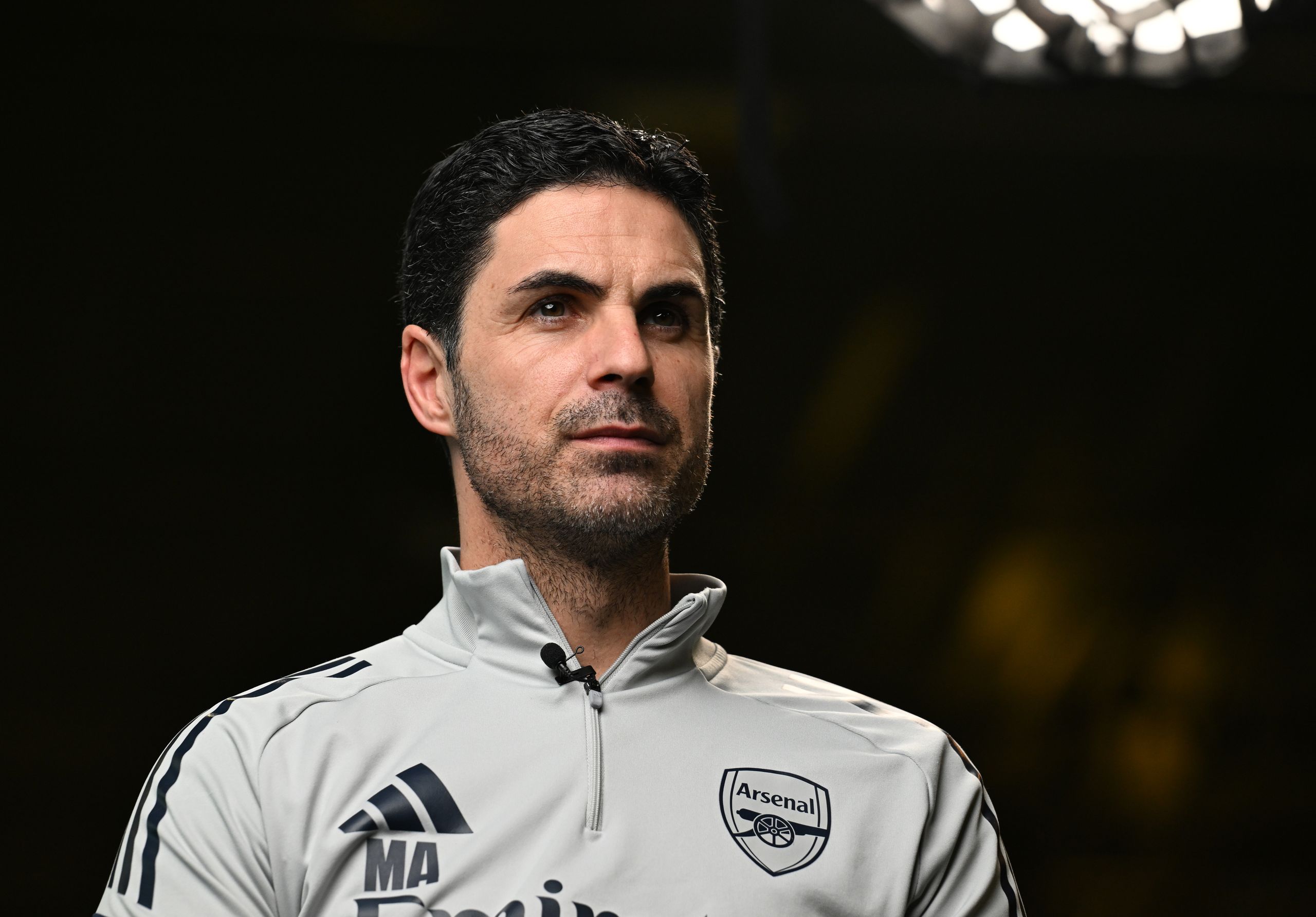
Modric clears final fitness check for the Derby della Madonnina
Luka Modric is officially back in the mix for the upcoming Milan versus Inter clash. Medical staff confirmed the midfielder returned to full training sessions this week after lingering concerns regarding his match fitness following the most recent break. The veteran playmaker showed no signs of discomfort during Tuesday’s high-intensity drill, moving freely through tactical transition exercises.
Reports from Sempre Milan indicate that coach Ruben Amorim’s specific belief in Modric’s utility for high-leverage matches is the primary driver behind his accelerated return to the starting rotation. There were genuine fears that a muscle fatigue issue would keep him sidelined for the biggest fixture of the early season. Instead, he looks set to dictate the tempo of the midfield battle this weekend.
Tactical ripple effects of the veteran's return
Modric’s presence changes the geometry of the Milan midfield. Without him, the team has relied on a more rigid, vertical approach that occasionally struggled to break down mid-block defenses. With his return, Amorim gains a conductor capable of threading passes between the defensive lines, a move that directly counteracts Inter’s tendency to sit deep and absorb pressure.
This recovery is vital, especially considering the club's recent history with managing aging squads. The transition from Stefano Pioli’s era, which former player Jens Petter Hauge recently discussed as a complex period of rotation, remains a shadow over the current group. Relying on a player of Modric's vintage for 90 minutes remains a high-risk gamble, regardless of his current medical clearance. If his fitness level drops in the second half, the bench options are significantly less dynamic.
The broader transfer landscape and competitive depth
While Milan focuses on the derby, the rest of the league is busy navigating a turbulent transfer market. Chelsea’s recent investment in speed, specifically the £47 million acquisition of Marco Palestra, highlights the current obsession with physical profiles over traditional playmaking depth, as noted by the Daily Mail. Palestra, who famously snubbed Inter to move to Stamford Bridge, represents the exact type of rapid transition talent that Inter might have used to keep up with faster opponents this year.
Arsenal, meanwhile, continue to hover around Chelsea's squad depth, with persistent whispers about a move for Josh Acheampong, per FourFourTwo. It is a cynical reminder that while Milan relies on veteran pedigree to survive, rivals are hyper-focused on securing youth speed. The gap between those philosophies will be tested the moment the whistle blows at the San Siro.
Analyzing the recovery risk
Medical staff cleared Modric to train, but match intensity is a different beast. History shows that rushing back players with muscle fatigue often leads to a secondary soft tissue injury within 14 days. If Amorim pushes him to cover the full distance on Sunday, he risks losing a primary creative outlet for the subsequent three weeks of the season.
The club has been opaque regarding the exact nature of the initial fatigue, which suggests a conservative management plan was considered and subsequently scrapped in favor of this derby appearance. It is a bold, albeit questionable, strategy. The team needs the win to remain relevant at the top of the table, but the long-term cost of a re-aggravated injury could bury their season before October.
Ultimately, the medical staff has done their job by getting him on the pitch. Now, it falls to the coaching staff to determine if the short-term tactical gain is worth the potential medical catastrophe of forcing a veteran through 90 minutes. Every touch of the ball from Modric will be under a microscope on Sunday night.
Read Next
- Luka Modric back for Milan derby after injury scare tests Redneri squad depth
- Milan are dismantling the midfield and chasing ghosts
- Milan's pre-season derby showed the tactical work ahead for Ruben Amorim
- Milan are scrambling to finalize their defensive and midfield reinforcements
- 🇭🇷 Croatia World Cup 2026 — Modrić's Farewell