The Derby Hangover Meets European Reality
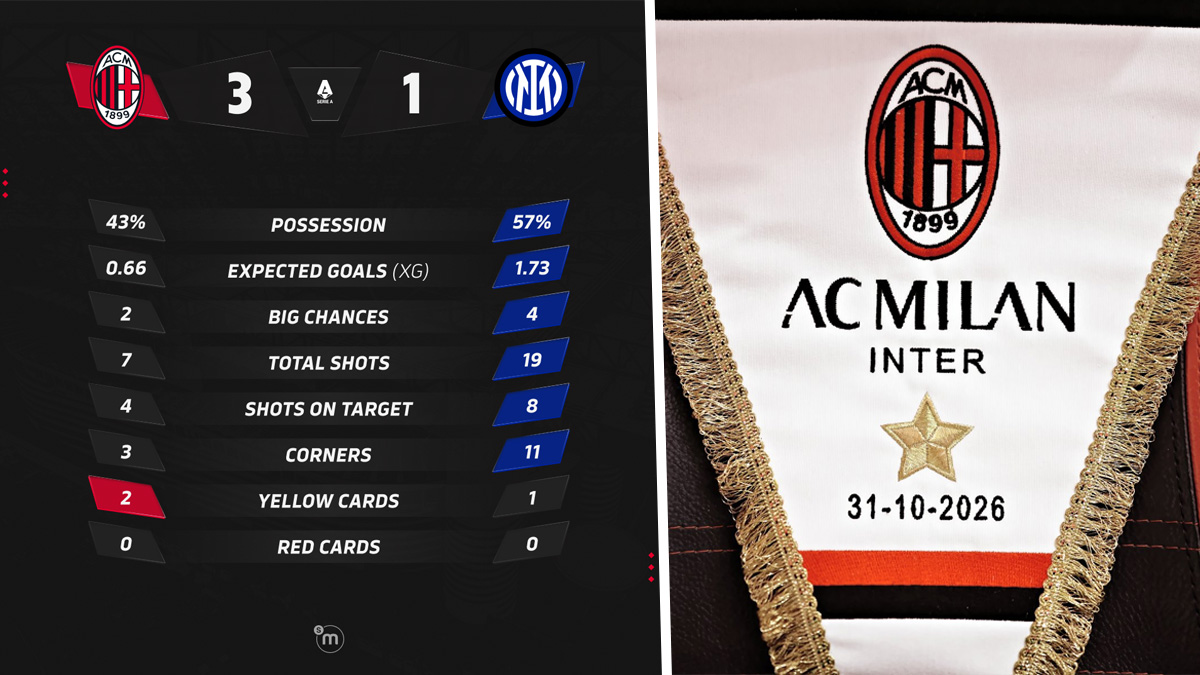
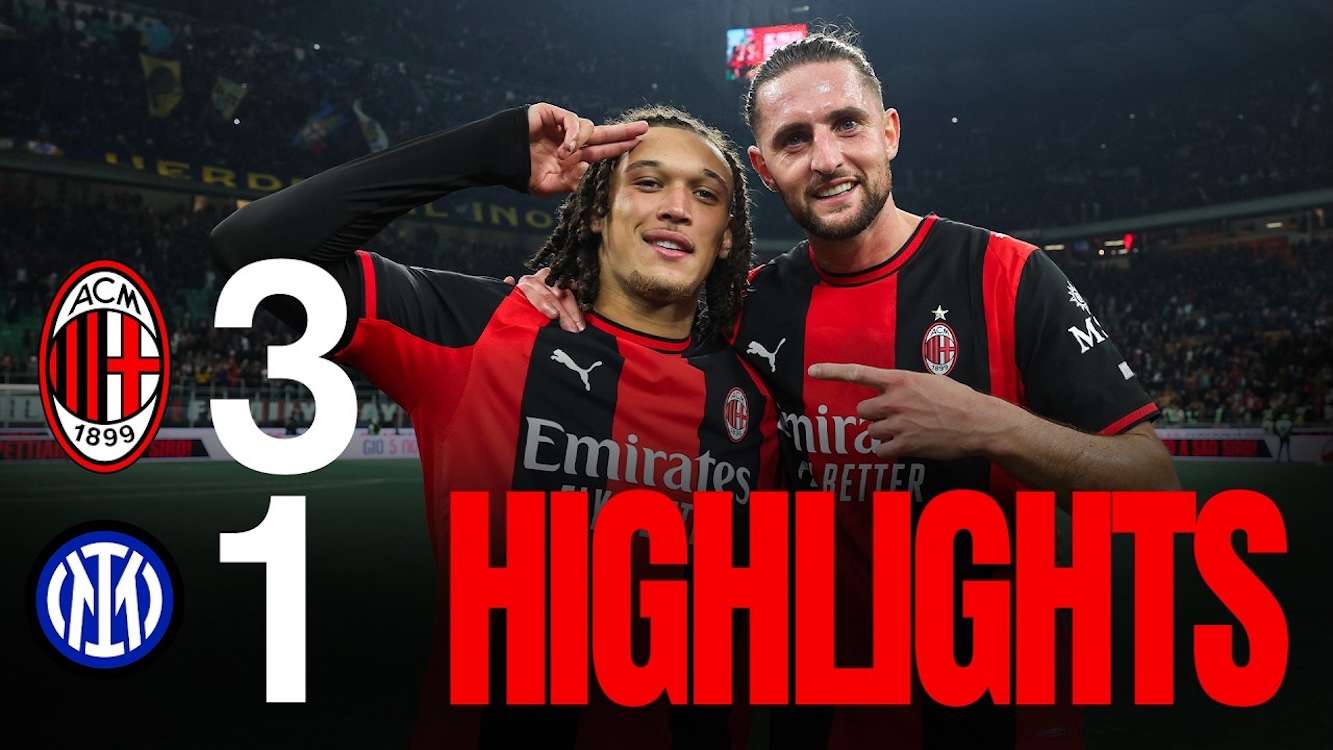
Winning the Milan derby should have provided an adrenaline surge. Instead, walking out at San Siro against Ferencvaros looks like a team sleepwalking through a trap game. Milan entered Thursday night desperately needing points, having picked up just one win in three matches in this opening stage of the Europa League.
That sluggish start left Ruben Amorim with zero margin for error. Ferencvaros did not travel to Italy to admire the scenery; they showed up sitting on a perfect tally of nine points from their opening three fixtures. Dropping points here makes reaching the automatic top eight qualification places an uphill climb.
Yet Amorim decided this was the ideal moment to roll the dice. The manager made six changes from the lineup that dominated Inter over the weekend. That decision reeked of dangerous overconfidence, assuming the Hungarian champions would simply surrender to Milan's reputation.
Ahead of kickoff, Alphadjo Cisse pointed out to Sky Italia that celebrating domestic bragging rights had to stop immediately. The young winger understood the assignment, even if his manager's team sheet suggested otherwise.
“It was an important victory. But we need to forget about it and build on that momentum with a win. Getting the three points is important today.”
Across Europe, Thursday night has been punishing managers who take continental depth for granted. Over in The Guardian's live European coverage, Bournemouth rotated eight starters and trailed against Sparta Prague, while Crystal Palace stumbled against Hoffenheim. Milan failed to heed those warning signs.
The Modric Void and Midfield Paralysis
The central breakdown sits right in the middle of the pitch. Leaving Luka Modric on the bench stripped Milan of their only true conductor. Amorim tried to justify keeping his veteran playmaker in reserve before kickoff.
“It’s important. Mike isn’t there tonight, nor is Modric. We need his experience in case something bad happens. We need someone on the pitch who can provide security. Rotation is important to keep everyone fit, but it’s not rotation because it’s Ferencvaros we are playing. We want to win tonight.”
Wanting to win and setting a team up to win are two different things. Without Modric to dictate tempo and escape tight spaces, Amorim handed the engine room to Yunus Musah and Ardon Jashari. The result was pure chaos.
Musah spent the opening twenty minutes running into blind alleys. Ferencvaros clearly targeted him, swarming the midfielder with three pressing bodies whenever he received the ball facing his own goal. One careless touch from Musah in the middle gifted Ferencvaros an early chance that required quick intervention.
If Musah looked hurried, Jashari looked lost. The midfielder repeatedly opted for negative, looping back-passes that invited pressure. His worst moment came when a blind pass straight to Ferencvaros striker Yusuf created a clean one-on-one breakaway that nearly broke the deadlock.
Supporters in the stands quickly voiced their anger. Loaning out Samuele Ricci and relying on players who panic against a coordinated press looks like flawed planning. Without Modric on the pitch, Milan's central progression flatlined.
Makeshift Defending and Torriani's Rescue Act
That midfield collapse put immense strain on a patched-up backline. With Mike Maignan serving a suspension, nineteen-year-old Lorenzo Torriani stepped between the posts. The teenager was Milan's only bright spot in a dreadful first half.
Torriani made multiple saves to keep Ferencvaros off the scoresheet. He got down low to deny a stinging effort and stood tall when Yusuf bore down on him after Jashari's giveaway. Without his sharpness, Milan would have trailed by two goals at the interval.
In front of Torriani, Amorim broke up his regular defensive spine. Strahinja Pavlovic was benched, splitting his partnership with Koni De Winter. Amorim admitted to Sky Italia that starting without Pavlovic felt strange, even while defending his decision to start Diawara at center-back.
Diawara worked hard, but defensive chemistry was nonexistent. To make matters worse, Filippo Terracciano endured a nightmare at right-back. He repeatedly gave away possession and gifted Ferencvaros a clean opening with poor clearance technique inside his own penalty box.
Things were barely better on the left with Davide Bartesaghi. The young defender lost his footing while trying to shield the ball under zero pressure, surrendering possession cheaply. Moments later, a reckless stamp earned him a yellow card.
Ferencvaros wingers Daniel Arzani and Veljko Birmancevic kept probing Milan's shaken fullbacks with direct running. When both defenders are rattled, an entire unit contracts in panic. Milan looked terrified every time the visitors floated an early ball behind them.
Frontline Isolation and the 39-Minute Drought
If the defending was shaky, the attacking play was nonexistent. Amorim set up in a 4-4-1-1, but the gap between the lines looked impassable. Goncalo Ramos was entirely marooned as the lone striker.
Adrien Rabiot was deployed right behind Ramos, theoretically tasked with providing physical punch in the box. Instead, Rabiot spent forty-five minutes tracking back to clean up loose balls. Whenever Rabiot did push forward, his passing was off target.
One promising counter died when Rabiot overhit a routine pass intended for Bartesaghi on the overlap. That error epitomized Milan's lethargy. There was no rhythm, no combination play, and zero vertical threat.
The defining indictment of Milan's first half is the shot count: the hosts did not register a single shot until the 39th minute. Playing at home against an underdog and taking nearly forty minutes to produce an attempt is unacceptable.
That lone chance came from a rare moment of direct play. Terracciano whipped a deep cross into the box, Ramos headed down to Cisse, but the youngster's volley flew wide. That was Milan's entire attacking contribution before the break.
Ferencvaros goalkeeper Denes Dibusz spent his evening watching as a spectator. Defenders Gomez and Zohore easily neutralized Ramos in the air, while Callum O'Dowda locked down Omari Hutchinson on Milan's right wing.
Here is what broke down in Amorim's starting blueprint:
- The double pivot of Musah and Jashari failed to complete forward passes under pressure.
- Terracciano and Bartesaghi were caught out of position repeatedly on the flanks.
- Ramos spent forty minutes trapped between two physical center-backs with zero service.
- Rabiot was pulled out of the penalty box to compensate for midfield turnovers.
Amorim Needs Immediate Bench Help to Avoid Disaster
According to live updates from Sempre Milan, the halftime whistle brought heavy whistles from the San Siro crowd. That frustration is justified. Amorim treated a European fixture like a dead rubber, and Ferencvaros took full advantage.
The visitors controlled possession, carved out the better openings, and looked like the side hunting top honors. Peter Madarasz and Adam Nagy dominated the center of the pitch, making Milan's midfield look lightweight and disorganized. Ferencvaros deserved to lead at the break.
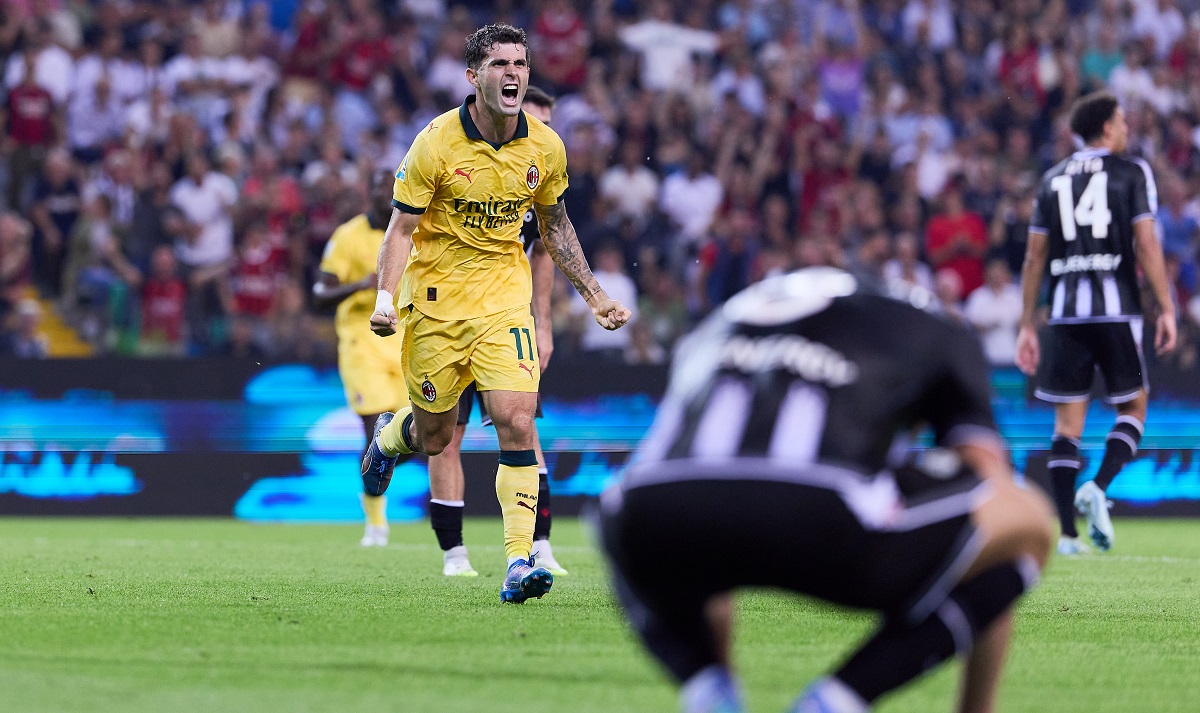
Amorim cannot afford to be stubborn. The manager has proven match-winners waiting on his bench, including Modric, Christian Pulisic, and Francesco Camarda. Leaving those difference-makers on the sideline while the starting eleven struggles is an unforced error.
Modric must enter the match to restore control and provide a reliable passing outlet. Without the Croatian playmaker orchestrating tempo, the hosts will continue to cough up possession under pressure. Pulisic is also needed on the wing to inject dribbling penetration.
Relying on a teenage backup goalkeeper to pull off repeat saves is not a sustainable strategy. Torriani spared Amorim's blushes in the first half, but Ferencvaros will eventually capitalize if Milan keep gifting them cheap turnovers.
Squad rotation is necessary over a long season, but smart managers rotate when the match situation allows it. Sitting on three points in the Europa League does not give Milan the luxury of benching key starters simultaneously. Amorim assumed his reserves could coast through this fixture.
The second half will test Amorim's willingness to fix his mistakes quickly. If he brings on his proven starters, Milan have the firepower to salvage a victory. If he waits too long, Ferencvaros will leave Milan with a historic upset.
The derby buzz has evaporated. Continental football exposes complacency in a hurry, and if Milan do not adjust, their European campaign will slip away before winter arrives.
Read Next
- Milan cannot afford an emotional hangover against Ferencváros
- Diego Moreira just blew the Milan derby wide open for Ruben Amorim
- Gerry Cardinale is playing Football Manager while Milan stare down the derby
- Man City are about to get ambushed by Nottingham Forest
- ⚽ Serie A 2025-26 — Title Race Hub (Inter, Napoli, Juve, Milan)
- 🏆 Europa League Final 2026 — Full Coverage Hub