Chaos in Toronto: Budimir and Pongracic Taken Down Early
Croatia’s World Cup survival plan took a massive physical beating in the opening twenty minutes of their Round of 32 knockout clash against Portugal. Two key starters are currently undergoing medical assessments after sustaining heavy contact in separate incidents. The double blow has left Zlatko Dalić’s bench scrambling as medical staff monitor both players closely.
The physical intensity started early at Toronto Stadium. With Portugal dominant from the opening whistle, Croatia found themselves defending deep and absorbing immense pressure. The resulting physical toll has already compromised their defensive structure and offensive outlet before the match has even settled.
According to the Sky Sports live commentary, Portugal started the match with unprecedented speed. The tactical shift to start Rafael Leão paid immediate dividends for Roberto Martínez. However, the game quickly turned from a tactical battle into a medical emergency for the Croatian side.
Portugal in this opening 15 minutes have looked as good as I've seen them since the competition started. Rafa Leao, having his first start, is making all the difference. He's been a constant threat down that left-hand side.
Here is how the opening exchange unfolded in Toronto:
- 4' - Bruno Fernandes is denied twice in quick succession as Rafael Leão creates chaos on the right flank.
- 7' - Leão curls a dangerous cross into the box, narrowly missing the onrushing Fernandes.
- 13' - Marin Pongracic blocks Cristiano Ronaldo's 30-yard free-kick and suffers impact trauma.
- 17' - Rúben Dias receives a yellow card for an elbow to the head of Ante Budimir.
- 20' - Renato Veiga overhits a pass to Leão down the left, halting a promising attack.
The Wall Impact: Pongracic Blocked by Ronaldo's Power
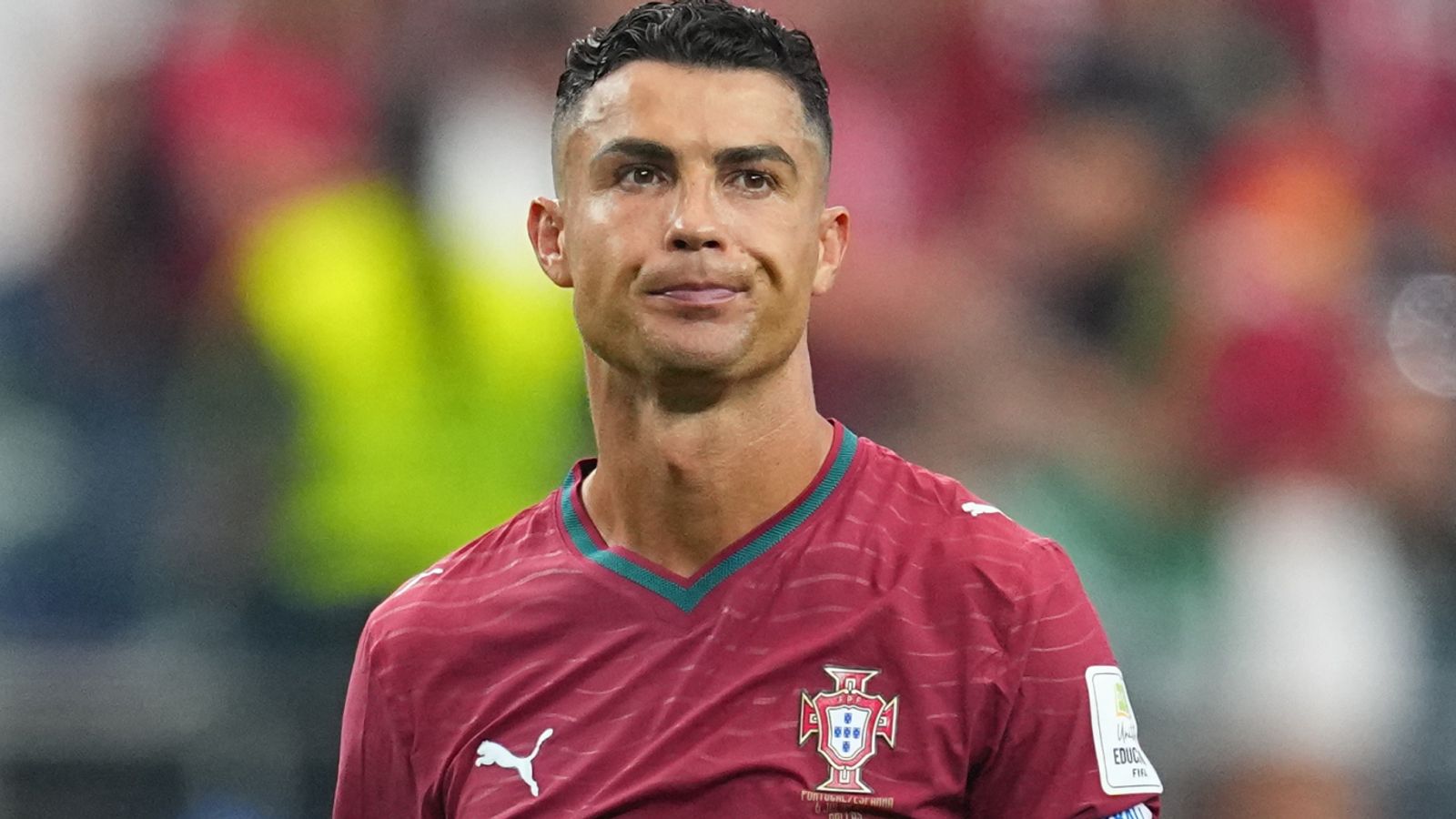
The first scare came in the 13th minute. Cristiano Ronaldo stood over a free-kick from near 30 yards out, unleashing a signature high-velocity strike. Marin Pongracic stood firm in the defensive wall, taking the full force of the shot directly.
Pongracic was immediately left feeling the effects of the block. A football struck with that velocity can easily exceed ninety kilometers per hour, transferring massive kinetic energy. Medical observers on site noted that Pongracic appeared winded and visibly shaken by the impact, though he initially attempted to play on.
Physiologists note that direct chest impacts from high-speed footballs can cause minor thoracic contusions or transient breathing difficulties. In worse cases, it can trigger cardiac arrhythmias or neck strain from the sudden deceleration. The Croatian medical team watched his movement closely over the subsequent passages of play to ensure no delayed concussion symptoms emerged.
This is not the first time a defender has suffered from standing in the wall against Ronaldo. Throughout his career, the Portuguese forward has sidelined several defenders with high-velocity blocks. Standard medical procedure for these impacts requires immediate sideline screening to rule out closed head injuries or rib fractures.
Should Pongracic show signs of dizziness or disorientation, Dalić will be forced to make a change. The loss of a starting center-back would force Croatia to reshuffle their entire defensive unit. Against an active Portuguese attack, any weakness in the center of the defense could prove fatal.
If Pongracic cannot continue, Duje Ćaleta-Car is the most likely candidate to step into the backline. However, introducing a cold defender into a high-stakes knockout match against an in-form Leão is a recipe for disaster. Croatia's defensive organization relies heavily on Pongracic's chemistry with his central partner.
The Elbow Incident: Budimir Collides with Rúben Dias
Just four minutes later, Croatia’s evening went from difficult to precarious. In the 17th minute, a direct aerial duel between Ante Budimir and Rúben Dias ended in a violent collision. Dias left his arm trailing, catching Budimir with a firm elbow to the face.
The referee immediately blew his whistle, brandishing a yellow card to the Manchester City defender. Budimir remained on the turf for several minutes receiving treatment. The physical impact was clear, and the Croatian medical team quickly ran onto the pitch to assess the striker.
Elbow-to-face impacts in international football carry a high risk of facial fractures or severe concussions. The nasal bone and zygomatic arch are particularly vulnerable in these challenges. If Budimir has suffered a broken nose, his ability to contest headers will be severely limited for the remainder of the match.
Medical protocols for head collisions have become significantly stricter in recent international tournaments. FIFA's current guidelines mandate a pitchside assessment lasting at least three minutes. The team physician must look for clear indicators of concussion, such as balance issues, cognitive delay, or pupillary changes.
Similar incidents in major tournaments have forced players to adopt custom protective masks to continue playing. Croatia's own Joško Gvardiol famously wore a carbon-fiber mask during the last World Cup cycle. Whether Budimir can avoid a similar fate depends on the initial X-ray scans following the match.
Should the medical staff detect any neurological deficits, Budimir will be removed immediately. Under the new concussion guidelines, a player removed for a suspected concussion must sit out for a minimum of six days. This would rule Budimir out of the next round if Croatia manages to progress.
Tactical and Strategic Implications for Zlatko Dalić
The double injury scare presents Zlatko Dalić with a massive tactical headache. Budimir is the focal point of the Croatian attack, holding up play to allow midfielders to join the rush. Without his physical presence, Croatia’s offensive transition will struggle to find an outlet.
The defensive situation is equally fragile. Pongracic’s physical condition directly impacts how deep Croatia must defend. If he is hobbled, he will struggle to match the recovery runs needed to contain Portugal's quick transitions.
According to reports, both managers had access to all 26 players in their rosters before kickoff. Now, Dalić may have to use his bench much earlier than planned. This is a severe disadvantage in a knockout match that could go to extra time.
The refereeing of the Dias incident deserves critical scrutiny. Under FIFA's directives, leading elbows to the head are supposed to be treated with extreme severity. Giving only a yellow card for a contact that left a player down with a potential head injury seems highly lenient and raises questions about player protection consistency.
If Budimir is forced off, Croatia will likely turn to Bruno Petković. Petković offers a similar physical profile but lacks Budimir's defensive work rate and pressing efficiency. This shift would allow Portugal's center-backs, including Dias, to build play from the back with less pressure.
The physical toll on Croatia is also being watched closely by their potential opponents. The winner of this clash will face Spain in the Round of 16. A battered Croatian side, missing key components of their spine, would be prime targets for Spain's high-pressing, possession-based system.
Croatia’s medical team faces a race against time as the match progresses. If they advance, they will need every starter fully fit. A compromised squad will make an already difficult tournament path nearly impossible.
The next few minutes of play will reveal whether both players can manage the pain or if the bench must intervene. With the score still level, the physical resilience of Croatia’s squad is being tested to its absolute limit.
Read Next
- Thomas Tuchel faces defensive crisis before Mexico World Cup clash
- Declan Rice injury scare exposes England's massive defensive crisis
- Pulisic fitness concerns grow after bruising USA victory over Bosnia
- Christian Pulisic is back in the USA lineup but the medical risks remain
- 🏆 World Cup 2026 — Full Coverage Hub
- 🇵🇹 Portugal World Cup 2026 — A Seleção Hub
- 🇭🇷 Croatia World Cup 2026 — Modrić's Farewell