Title chase costs spark sudden Manchester United exit
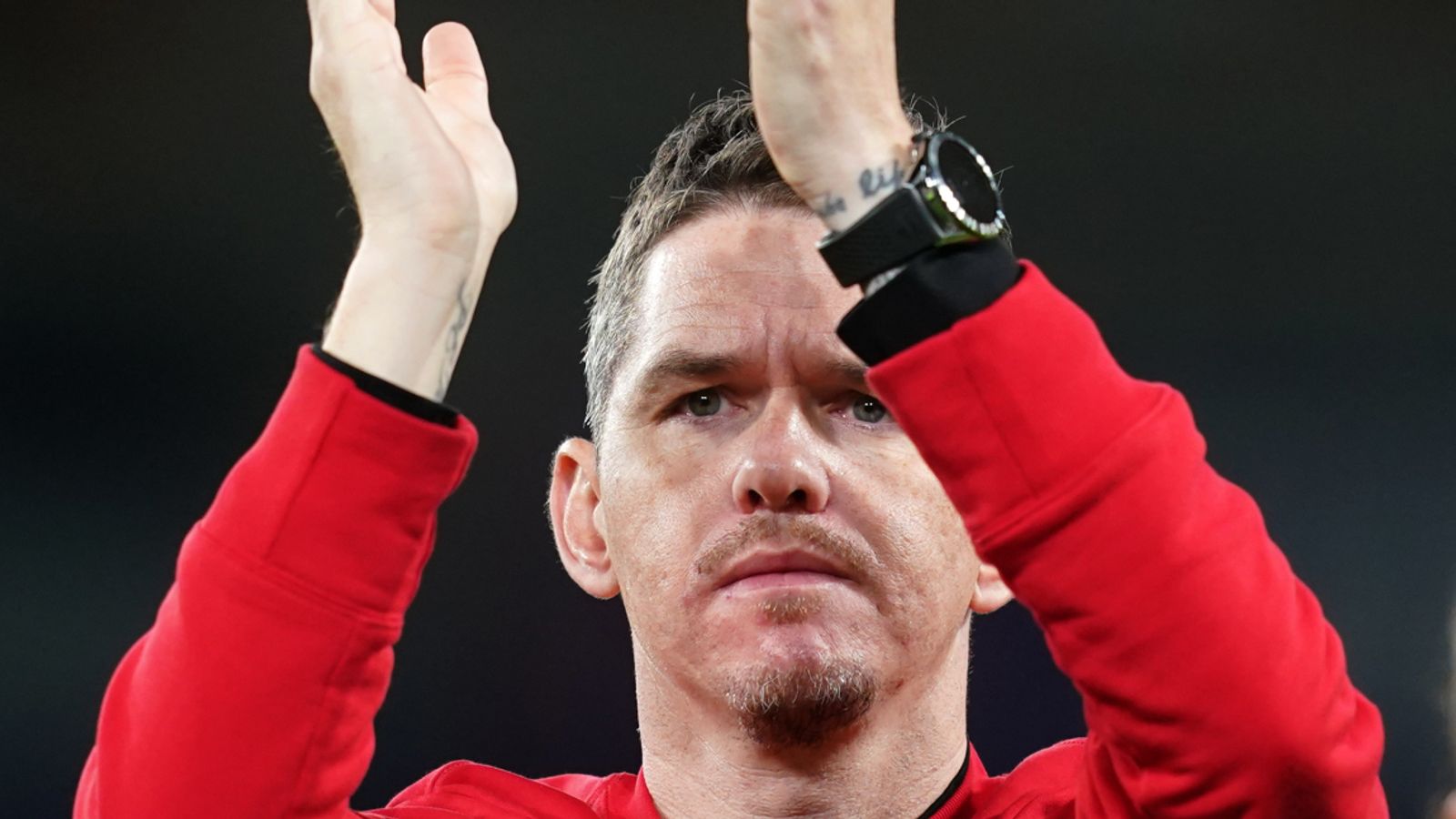
Marc Skinner has parted ways with Manchester United Women after growing friction over the financial demands required to keep pace with the Women's Super League elite. Club officials became increasingly concerned about the soaring costs of maintaining a title-chasing squad, prompting a radical shift in long-term strategy.
The departure comes at a crucial juncture for United. While rivals continue to spend heavily to secure international talent, United's board has signaled a clear desire to curb exponential wage growth and squad expansion fees. Skinner's ambition to compete directly with Chelsea and Manchester City clashed directly with the club's new mandate for financial restraint.
Tactical drift and squad depth issues forced board's hand
Financial concerns were not the sole catalyst for the split. Tactical consistency proved to be a persistent issue throughout the recent campaign, with United dropping critical points in matches where they previously held clear control.
United's inability to establish a defined playing identity against mid-table opposition left the hierarchy questioning whether the current squad was maximizing its potential. High-profile summer additions failed to settle into a consistent structural framework, compounding frustration among management and supporters alike.
The financial burden of chasing WSL powerhouses
The gap between the WSL top tier and the chasing pack has expanded rapidly, driven by record commercial investments and TV rights revenue. United's decision to pump the brakes highlights a broader dilemma across the division: balancing short-term competitive ambitions against multi-million pound operating losses.
Industry estimates suggest that sustaining a top-three squad in the WSL now requires significantly higher budget allocations than United were willing to commit for the upcoming 2026-27 campaign.
Rebuilding under a new structural mandate
United must now pivot quickly to secure a successor who can operate within tightened financial parameters while maintaining competitive standards. The incoming head coach will inherit a squad that possesses top-tier talent but lacks depth in vital defensive areas.
As Sky Sports reported, a lack of investment, a major change in direction, and an inconsistent playing style all contributed to Skinner's exit from the club.
Critics will point out that halting investment at this precise moment risks undoing years of steady progress. If United fail to make smart, cost-effective recruitment choices in the current transfer window, they risk falling behind aggressive competitors like Arsenal and Brighton.
The upcoming preseason schedule leaves little room for transition errors. United's hierarchy is betting heavily that structural discipline, rather than major transfer spending, will keep them in the European conversation.