The transition period begins at Carrington
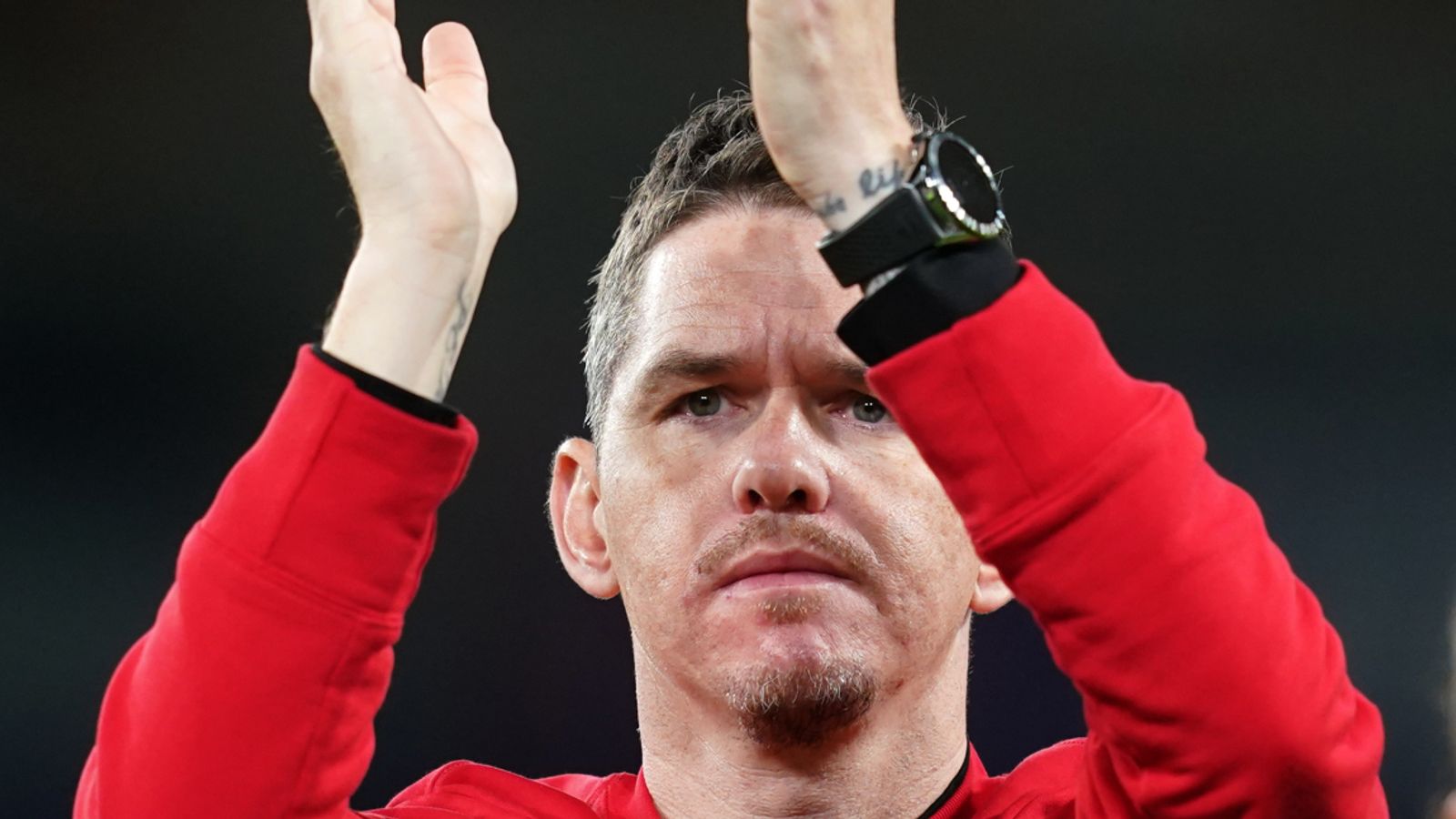
The departure of Marc Skinner marks the end of a tenure defined by extreme polarization. Supporters were consistently divided, yet the underlying metrics of his work suggest a manager constantly fighting against financial gravity. As noted in recent reporting by Tom Garry, the club’s budget was spread thin, leaving a successor with a squad that requires structural patience rather than expensive, splashy arrivals.
Skinner often lamented the gap between ambition and investment. His final assessment was telling: he argued that if the club truly wants to compete at the elite level, they must confront their own limitations in resource allocation. This leaves the incoming manager with a specific mandate focused on youth development over marquee transfers.
Tactical stagnation in the final third
The failure to push beyond a certain tier of performance remains the primary critique of the last three seasons. While the defensive structure was occasionally robust, the creative output in the final third often relied on individual brilliance rather than cohesive, high-percentage patterns. Expected goals data consistently showed the team underperforming against title challengers, often struggling to break down low blocks in the 2025-2026 season.
This reliance on individual moments rather than systematic dismantling is why the squad felt stagnant. The decision to pivot toward youth is likely an admission that the current spending model cannot keep pace with the league leaders. If the new manager tries to replicate a high-pressing, high-possession style with an aging core, the results will likely mimic the stagnation of the previous eighteen months.
Managing the transition to youth
The immediate challenge is the psychological shift in the dressing room. Players accustomed to the previous regime's specific tactical triggers must now adapt to a new set of instructions. This is rarely a seamless process, especially when the club has opted out of the high-stakes transfer market.
Observers should watch for the positioning of the full-backs in the opening matches. If the team persists in leaving gaps in the half-spaces during defensive transitions, the lack of a seasoned, expensive defensive pivot will be exploited by faster attacking sides. It is a risky gamble to prioritize development when the pressure to maintain European qualification status remains £31m behind the top spenders in terms of market valuation relative to league position.
My prediction for the opening month? Expect a frustrating adjustment period characterized by high effort but low conversion rates. They will likely hover in the middle of the table until the youth cohort gains sufficient tactical discipline. This team is entering a season of correction, and the margin for error is non-existent.