The cost of finishing fourth
Manchester United Women finished last season in fourth place, effectively locking themselves out of European competition. The departure of Marc Skinner, announced today after five years at the helm, is the logical outcome of a ceiling that has hit the club hard. Skinner led the team to a trophy, but the cold reality of the Women’s Super League is that fourth is no longer enough when rivals are investing at a higher velocity.
Reports suggest Skinner’s exit was accelerated by persistent transfer frustrations. While the club prioritized a focus on homegrown talent, the competition shifted toward aggressive market maneuvers. This divergence in philosophy is common, but rarely ends with the manager moving on by mutual consent exactly when the window is at its most volatile.
The recruitment paradox
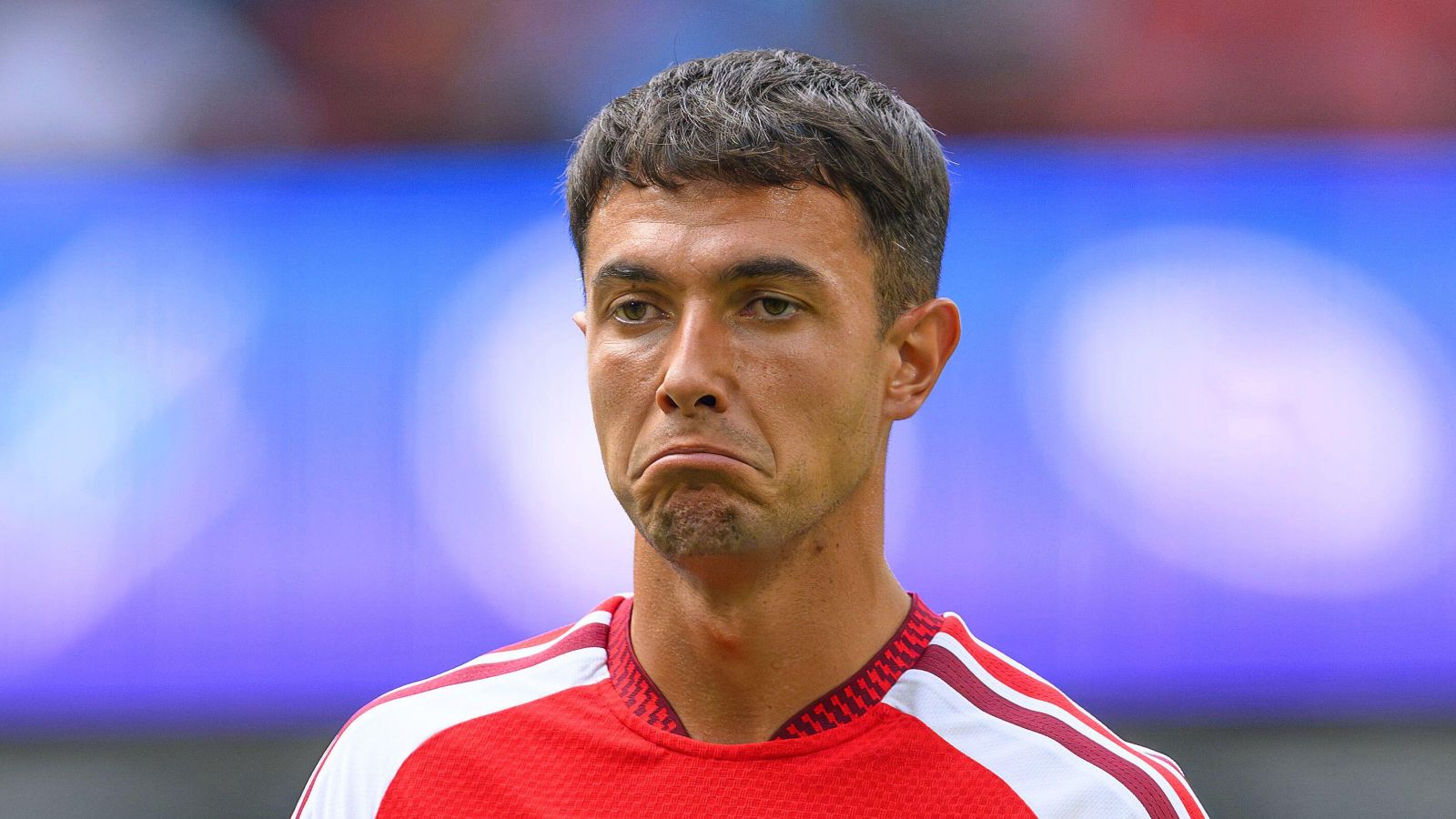
While the women’s team adjusts to a new reality, the men’s side is currently navigating a chaotic transfer cycle. A reported 51 million pound target is being pulled between Old Trafford and Arsenal, with Patrice Evra publicly signaling that the London club offers a more stable path for development. When club icons openly push top-tier targets toward rival projects, it indicates a deep-seated lack of confidence in the current direction.
The situation regarding Ismaila Sarr is equally illustrative. Manchester United’s failure to secure the winger from Crystal Palace is being framed as a significant blow to their offensive depth. In a market where high-level attacking talent is at a premium, failing to close a deal for a player clearly on the move suggests a hesitation that rivals like Bayern Munich—who are now linked to one of United’s own stars—rarely display.
Why the math is failing
Compare this to Liverpool’s stance on Cody Gakpo. The 27-year-old forward is under contract until 2030, and the club has set an valuation threshold that makes a move unlikely without a massive influx of cash. Liverpool’s position is defensive and calculated; United’s approach, meanwhile, feels reactive.
- Skinner’s departure leaves a vacancy after five years of tenure.
- The club missed out on European football by finishing 4th in the WSL.
- Transfer targets like Sarr are slipping away to other prospects.
- Interest in current squad members from Bayern Munich suggests a talent drain is possible.
There is a recurring flaw in the current strategy. Whether it is Marc Skinner’s exit or the struggle to land primary targets like the one cited by Patrice Evra, the underlying issue is the inability to capitalize on assets. Focusing on homegrown talent is a romantic notion, but without the complementary heavy-hitting signings, it creates a stagnant window.
The club is currently navigating a precarious middle ground. They have too much pedigree to be considered a project, but their recent output suggests they are no longer an elite destination. As noted in recent reports, the pressure to keep pace with the rest of the league is mounting, and the window for correcting these imbalances is closing rapidly.