The boiling point for player fatigue
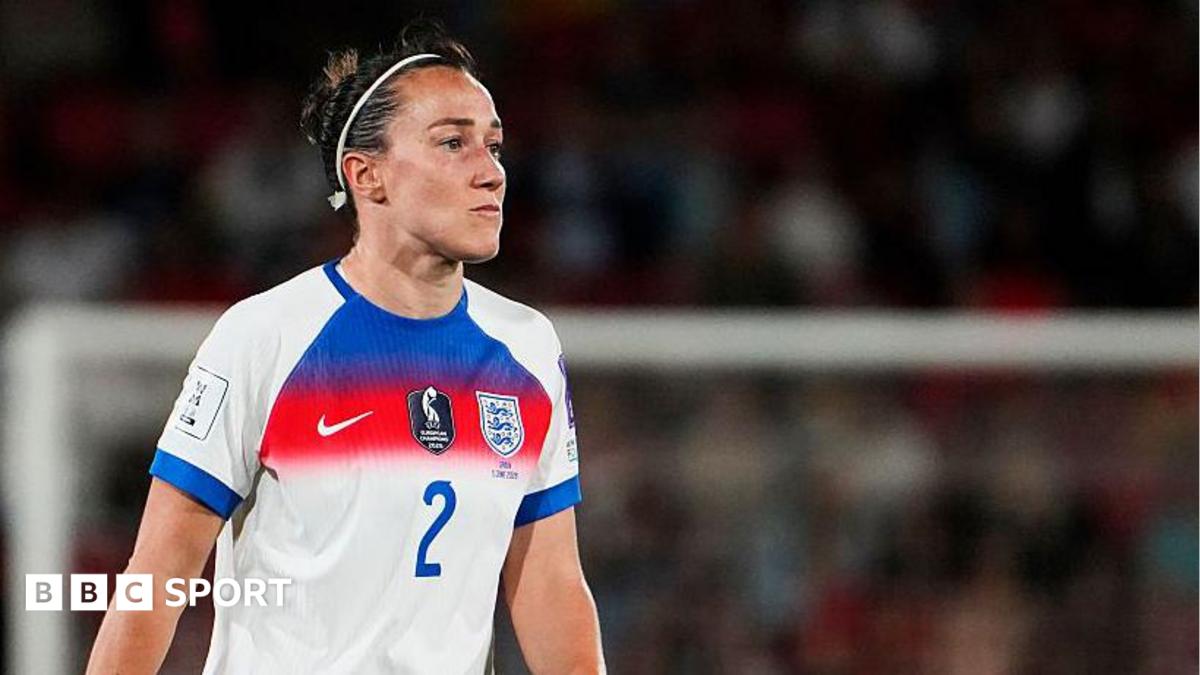
Lucy Bronze has thrown her weight behind a potential UEFA boycott of FIFA competitions, calling it the right move to protect player welfare. Speaking as workload demands reach unprecedented levels, the England international made it clear that player bodies are hitting a wall. The calendar is bloated, the recovery windows are shrinking, and top stars are paying the price with major physical breakdowns.
Injury rates across women's football have surged over the past two seasons, with anterior cruciate ligament (ACL) tears and chronic muscle fatigue dominating headline medical updates. The relentless grind of back-to-back domestic campaigns, expanded continental tournaments, and summer international fixtures leaves zero off-season for recovery. Bronze's comments signal that the dressing room's patience with governing bodies has officially run out.
The medical reality of elite calendar overload
From a sports science perspective, the human body cannot sustain high-intensity sprinting, deceleration, and contact over 11 consecutive months without structural failure. Research across elite women's sport indicates that inadequate micro-cycle rest drastically increases soft-tissue trauma and joint laxity. When soft tissue fails to recover between high-load matches, micro-tears compound into severe ligament disruptions.
Medical teams across European clubs have repeatedly warned that player availability is falling off a cliff. Teams routinely lose key starters for periods exceeding 9 months due to catastrophic knee injuries directly linked to fatigue accumulation. Broadening competition schedules without inserting mandatory, non-negotiable rest periods is a recipe for perpetual squad depletion.
Broader industry impact and strategic fallout
A UEFA boycott of FIFA tournaments would represent an unprecedented structural rupture in global football. For broadcasters and sponsors, missing top-tier European talent guts the commercial value of global competitions. For clubs, the financial burden of carrying heavily injured squads while paying high wage bills is fast becoming unsustainable.
However, critics of the boycott strategy point out that political posturing does not immediately fix current rehab rooms. While Bronze advocates for systemic leverage, clubs are left managing damaged squads today without short-term relief. Pulling out of tournaments protects future schedules, but it does nothing to shorten the rehab timelines of players currently sidelined with torn ligaments.
Historical precedent: Lessons from broken calendars
This is far from the first time athlete fatigue has threatened to derail major sports organizations. The NBA faced similar backlash during shortened turnaround seasons, leading to the enforcement of load management protocols and strict rest guidelines. In men's European football, repeated squad strikes were threatened during the mid-2020s as FIFA expanded the Club World Cup.
Historical data shows that until governing bodies face actual financial loss or boycott threats, calendar expansion never slows down. Without structural intervention, player careers will continue to be cut short by preventable overuse injuries. Bronze's stance isn't just about politics — it's an emergency brake on a medical crisis that is consuming top-level talent.