The 35th-Minute Breakdown at Charlton
Chelsea rolled to a 6-0 victory over Charlton on Sunday afternoon, but nobody in the traveling camp was celebrating at the final whistle. The afternoon unraveled in the 35th minute when Lauren James pulled up clutching the back of her leg. With the Blues already commanding a four-goal cushion, James signaled immediately to the bench before limping off.
Erin Cuthbert took her spot without a proper warm-up. Five different players found the net for the visitors, including two strikes from Melvine Malard, but the post-match discussion centered entirely on Chelsea's electric forward. Blowout victories count for three points. Losing an England international attacker changes the complexion of an entire campaign.
Head coach Sonia Bompastor confirmed the initial diagnosis shortly after the match concluded. Speaking in her post-game press conference, Bompastor acknowledged the issue without hiding her concern.
“It is too soon [to know] about Lauren’s injury. I spoke to her at half-time and it seems to be her hamstring so we will have to have a proper assessment tomorrow.”
That Monday assessment will determine whether Chelsea are dealing with a minor tweak or an extended absence. James walked off under her own power, avoiding the stretcher, but her dejected body language said plenty. For a player whose career has been marked by managed muscular workloads, any twinge demands urgent medical scrutiny.
Clinical Reality: The Diagnostic Timeline and Anatomy of a Hamstring Pull
Hamstring injuries remain the ultimate occupational hazard in modern elite football. The biceps femoris muscle absorbs immense kinetic load during explosive deceleration and high-velocity sprinting. When an elite winger decelerates on heavy autumn turf, shear stress across muscle fibers spikes rapidly.
Chelsea's medical team at Cobham faces a methodical 48-hour protocol. On matchday, acute swelling and muscle spasm mask the true boundary of damaged tissue. Monday morning brings high-resolution magnetic resonance imaging and dynamic musculoskeletal ultrasound once local edema settles. The medical staff must pinpoint the exact anatomical location: myofascial junction, muscle belly, or proximal tendon.
Grade-one strains involve microscopic fiber damage without architectural disruption. If the imaging confirms a low-grade pull, rehabilitation typically requires 14 to 21 days of progressive eccentric loading. That timeline would target a return following the upcoming domestic fixture block.
A grade-two tear presents a far steeper operational hurdle. Partial structural tears demand anywhere from four to six weeks of physical therapy, neuromuscular retraining, and monitored reconditioning. In the worst-case scenario—a grade-three rupture or proximal tendon avulsion—layoffs routinely stretch beyond three months, often necessitating surgical intervention.
Historical precedent offers a clear warning for the Chelsea training staff. James has previously endured extended management programs to protect her kinetic chain from recurring soft-tissue strains. Rushing a dynamic sprinter back before achieving 95 percent isometric strength symmetry carries a horrific re-injury rate. Elite clubs know that secondary hamstring tears often double the original rehabilitation window.
Questionable Game Management in a Decided Contest
Chelsea had already put Charlton away long before the injury occurred. Four goals inside the opening half-hour had rendered the second half a tactical formality. That reality places Bompastor's substitution strategy under uncomfortable scrutiny.
Elite football demands ruthlessness, but elite squad management demands situational awareness. Why was James still sprinting through defensive channels when the match was already settled? High-load minutes on heavy pitches represent an unnecessary gamble when four goals separate the sides before the break.
Bompastor wants her team to play with relentless tempo regardless of the scoreboard. That aggressive philosophy yields high goal tallies and dominant territorial control. Yet pushing key starters to the limit during settled domestic fixtures exposes valuable assets to muscular trauma.
Cuthbert was sitting on the bench fully capable of controlling the tempo. Instead, the tactical change occurred out of medical necessity rather than proactive squad preservation. If James misses weeks of action, this afternoon at Charlton will be remembered for careless risk management rather than a dominant win.
The WSL Fallout: Slegers Under Fire While Rivals Stumble
The timing of James's injury creates significant tactical ripple effects across the Women's Super League, especially following a chaotic weekend documented in The Guardian's WSL roundup. Chelsea's chief rivals have shown glaring vulnerabilities of their own.
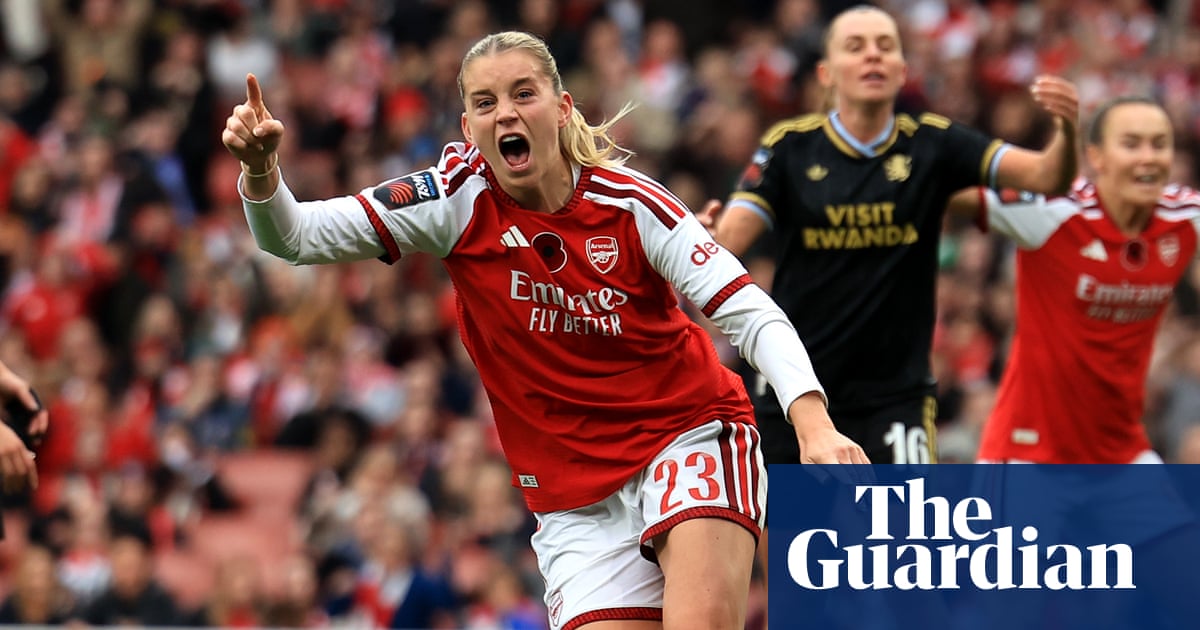
Arsenal's crisis deepened on Sunday when they salvaged a disappointing 1-1 draw at home to Aston Villa. Despite racking up 28 shots to one and controlling nearly 65 percent possession, Renée Slegers' side trailed for an hour after Chasity Grant finished a Lynn Wilms pass in the 25th minute. Alessia Russo spared home blushes with an 85th minute header from a Stina Blackstenius cross, but the performance exposed persistent tactical rot.
Arsenal touched the ball 56 times in the opposition box compared to Villa's four, yet produced zero solutions against a disciplined low block. With upcoming clashes against Liverpool away, Barcelona, London City, and Lyon, Slegers faces immense heat from supporters. Similar offensive paralysis dogged Joe Montemurro and Jonas Eidevall before her, suggesting systemic squad construction problems rather than purely tactical missteps.
Further down the table, other contenders experienced volatile results. West Ham routed Liverpool 4-1 to leapfrog them into tenth place, delivering a crushing blow to the Merseyside club's European ambitions. Tottenham climbed into fourth position with an authoritative 4-1 road win against Birmingham City, marked by Drew Spence setting a historic league milestone with 2,017 appearances to move past Millie Bright.
Brighton continued their surge under Arturo Ruiz, as highlighted in the weekend match reports, coming from behind to edge Crystal Palace 2-1 thanks to second-half goals from Caitlin Hayes and Sophie Peskett after Annabel Blanchard's long-range opener. The league table is fracturing into unstable tiers, giving Chelsea an opening—provided they can maintain offensive production without their primary playmaker.
Tactical Adjustments: How Chelsea Navigate Life Without James
Losing James forces Bompastor to reconfigure her frontline mechanics. James provides a rare profile in women's football: an unbalancing dribbler who attracts double teams and creates half-spaces for overlapping full-backs. Without her isolation threat, opposition defenses can hold tighter central shapes.
Cuthbert brings relentless defensive work rate, progressive passing, and box-to-box grit, but she does not offer James's one-on-one wizardry. Malard's two-goal display at Charlton proves she can shoulder finishing responsibilities, while the rest of Chelsea's attacking unit must absorb additional creative burden. Chelsea possess unmatched squad depth across the continent, yet structural adjustments require time to coalesce.
The tactical pivot will test Bompastor's adaptability. Chelsea's schedule intensifies over the coming month with league challenges and continental fixtures on the horizon. Dropping points against stubborn mid-table sides remains the fastest way to invite Arsenal or Manchester City back into the silverware conversation.
Everything now hinges on the imaging results arriving from London on Monday. If the scan shows low-grade swelling, Chelsea can breathe a massive collective sigh of relief. If the hamstring shows architectural fiber separation, Bompastor's tactical gamble at Charlton will carry a bitter, season-defining price.