The Tactical Anomaly at Anfield
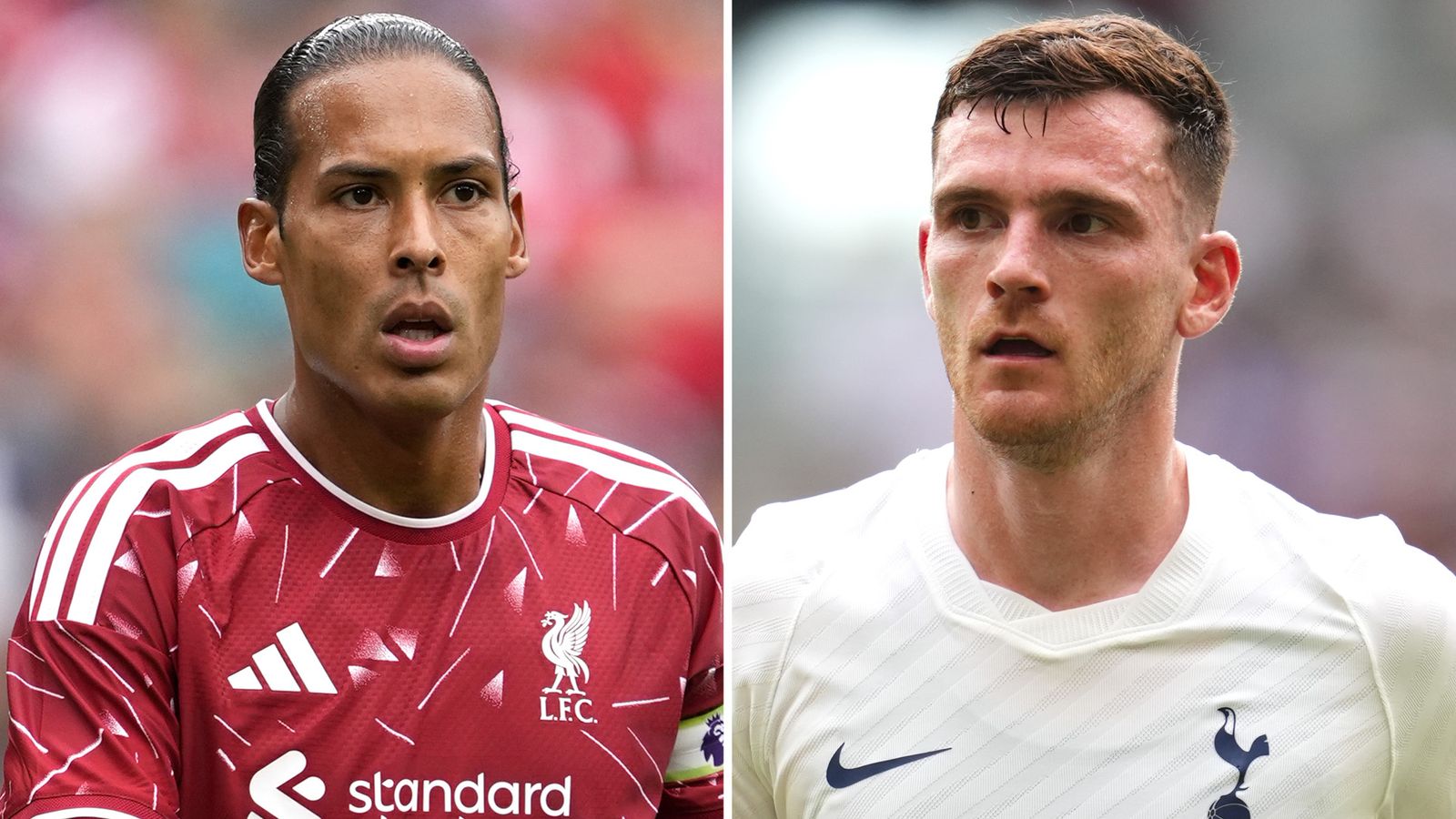
The Carabao Cup third-round draw has delivered an immediate blockbuster. Liverpool hosting Tottenham Hotspur at Anfield stands out as the undisputed heavyweight fixture of the entire draw. It is a match loaded with recent tactical baggage and virtually no margin for error.
As detailed in Sky Sports coverage of the draw, this meeting marks the second time in three seasons these two clubs meet in this tournament. Their previous cup encounter left behind a clear blueprint of structural dominance.
In the 2024/25 semi-finals, Liverpool systematically dismantled Tottenham over two legs, winning 4-1 on aggregate. That tie exposed glaring deficiencies in Spurs’ rest defense whenever possession was lost in the central third.
Tottenham’s extreme defensive line repeatedly left massive channels open for Liverpool’s wide forwards. Once the first line of Tottenham's press was bypassed, their center-backs were left utterly isolated against direct runners.
Anfield under floodlights in mid-September will demand structural discipline from Tottenham. If Spurs’ fullbacks invert high up the pitch without defensive cover behind them, Liverpool will trigger immediate transition attacks into the wide spaces.
Liverpool’s pressing traps off the opposition fullbacks have been refined during early season fixtures. They intentionally allow passes into the wide channels before collapsing two midfielders and a winger onto the ball carrier.
When Tottenham build from goal kicks, their center-backs split wide to invite pressure. Liverpool's front three narrow their positioning to cut off passes into the pivot, forcing Spurs into rushed aerial balls forward.
Tottenham must circulate the ball vertically with absolute speed to break through that first wave of pressure. Any hesitation on the ball in their own defensive third will result in immediate turnovers in dangerous areas.
Spurs have frequently struggled to slow matches down when momentum swings against them away from home. Turning Anfield into a track meet plays entirely into Liverpool’s pressing strengths.
If Liverpool push their own fullbacks high to pin Tottenham's wingers, the central midfield battle will decide the game. Whichever side wins the second-ball duels around the center circle will dictate the rhythm.
Europe, Rotations, and Squad Depth
The scheduling across the weeks beginning September 7 and September 14 adds a secondary layer of complexity. Both managers must balance cup ambitions against heavy European commitments.
According to official Carabao Cup draw details, nine Premier League sides involved in European action enter at this stage. Arsenal, Manchester City, Manchester United, Aston Villa, Liverpool, Bournemouth, Brighton, Sunderland, and Crystal Palace all begin their domestic cup campaigns simultaneously.
That concentration of elite teams means rotation becomes a high-wire tactical exercise. Deploying a weak starting line-up against top-tier opposition risks an embarrassing early exit.
Conversely, fielding a full-strength side places immense physical demands on key starters ahead of European group fixtures. Midweek travel across Europe leaves minimal training time to prepare specific tactical adjustments for domestic cup ties.
Squad depth will be tested far earlier in the season than most managers would prefer. The margin between maintaining tactical cohesion and suffering structural collapse with secondary players is razor thin.
For Tottenham, this is not a tie where aggressive squad rotation is sensible. A heavy defeat at Anfield would immediately damage momentum and reignite criticism regarding tactical inflexibility.
Rotational goalkeepers often alter a team's build-up mechanics significantly. If Spurs start a second-choice goalkeeper who lacks composure under pressure, Liverpool's high press will become even more aggressive.
Liverpool’s secondary options have consistently mirrored the pressing intensity of their primary starting eleven. Their rotational midfielders maintain high physical output without forcing the backline to drop five yards deeper.
That structural consistency gives Liverpool a distinct edge during second-half adjustments. When substitutes enter the pitch, Liverpool’s shape remains compact, whereas Tottenham have suffered severe performance drops when rotating key starters.
Revenge Missions and Trap Doors Across the Draw
While Anfield grabs the headlines, the third round contains several other intriguing tactical clashes. Manchester United drawing Brighton sets up a battle between two distinct buildup mechanics.
Brighton’s tactical model relies on baiting opponents into pressing high before launching rapid vertical passes into central corridors. United have repeatedly struggled against teams that comfortably break their primary pressing line.
United's central midfielders often overcommit when pressing the ball carrier, leaving oceans of space between their lines. If Brighton exploit those pockets, United's back four will be subjected to constant counter-attacks.
If United’s midfield coordination breaks down, Brighton’s fluid front line will isolate United's center-backs in space. It is a genuine trap door fixture for a side still refining its defensive structure.
Meanwhile, Everton host Wolves at the Hill Dickinson Stadium in a match heavy with recent grievance. Wolves knocked Everton out of this competition last season, leaving the host side desperate to settle the score.
Everton’s defensive shape was carved apart in that previous cup meeting by quick switches of play. If Everton fail to narrow the gaps between their defensive lines, Wolves will exploit the half-spaces once again.
Chelsea face a potentially explosive domestic clash as well. Provided they defeat Luton Town on Thursday night, a fierce home tie against long-time rivals Leeds United awaits at Stamford Bridge.
Leeds operate with relentless energy and look to turn matches into chaotic, physical duels. Should Chelsea exhibit any carelessness in build-up play, Leeds possess the vertical pace to capitalize immediately.
Newcastle United face one of the most hazardous away days of the draw. After narrowly defeating West Bromwich Albion in the second round, Newcastle must travel south to face Millwall in a hostile environment.
Millwall’s aerial strength from set pieces will directly test Newcastle’s zonal defensive system. Any drop in physical intensity from Newcastle will turn this tie into an uncomfortable evening.
Lower league ties present their own unique structural traps. Brentford travel to League One side Reading, while Bournemouth host Lincoln City in matches where defensive concentration will be paramount.
City's Pass and the Mid-Block Battles
Carabao Cup holders Manchester City received a far more favorable draw on paper. Pep Guardiola’s side will host Championship outfit Norwich City at the Etihad Stadium.
Historical precedent strongly favors the holders in this matchup. City are unbeaten against Norwich across their last 5 home meetings dating back to 2013.
Guardiola will almost certainly utilize this fixture to integrate young talent and give frontline starters essential rest. Even with heavy rotation, City’s positional play usually starves Championship opponents of possession.
Norwich’s mid-block must operate with flawless discipline to avoid being systematically pulled apart. City regularly average over 68% possession at home, forcing opponents into long periods of passive defending.
If Norwich drop their defensive line too close to their penalty area, City's attacking midfielders will overload the edge of the box. Finding space between Norwich's defensive lines is standard operating procedure for City's rotational setup.
The draw also delivered a compelling regional derby in the Midlands. Coventry City will host Aston Villa in an all-Midlands clash filled with tactical intrigue and physical edge.
Coventry's direct counter-attacking style will test Aston Villa's high defensive line. Villa must maintain disciplined defensive coverage to avoid giving up space behind their fullbacks on rapid turn-overs.
Elsewhere, West Ham United await the winner of Thursday’s tie between Fulham and AFC Wimbledon. Ipswich Town travel to North London to take on Arsenal, while Sunderland host newly promoted Hull City.
Final Tactical Verdict
Returning to Anfield, the outcome will hinges on which side dictates the spatial terms of the match. Tottenham cannot afford to play into Liverpool’s traps out wide or leave their center-backs exposed.
If Spurs attempt to match Liverpool sprint-for-sprint in an open game, they will concede transition opportunities in dangerous zones. The space behind Tottenham’s high line remains their primary defensive vulnerability.
Set-piece delivery could prove to be an understated factor in breaking a tight deadlock. Liverpool's height advantage on attacking corners will put immense pressure on Tottenham's zonal marking setup.
Liverpool’s superior squad depth and tactical flexibility give them a decisive upper hand. Their ability to turn up the pressing intensity for concentrated fifteen-minute periods at home will prove too much for Spurs to withstand over ninety minutes.
Second-half substitutions will further tilt the field in favor of the hosts. Liverpool's bench options allow them to refresh their pressing triggers without sacrificing structural shape or defensive discipline.
My prediction is clear and grounded in tactical reality. Tottenham may strike early on a counter-attack, but Liverpool’s relentless pressing and bench quality will turn the tide, securing a 2-1 win to advance.