Chaos at St James' Park: Anatomy of an 11-Second Collapse
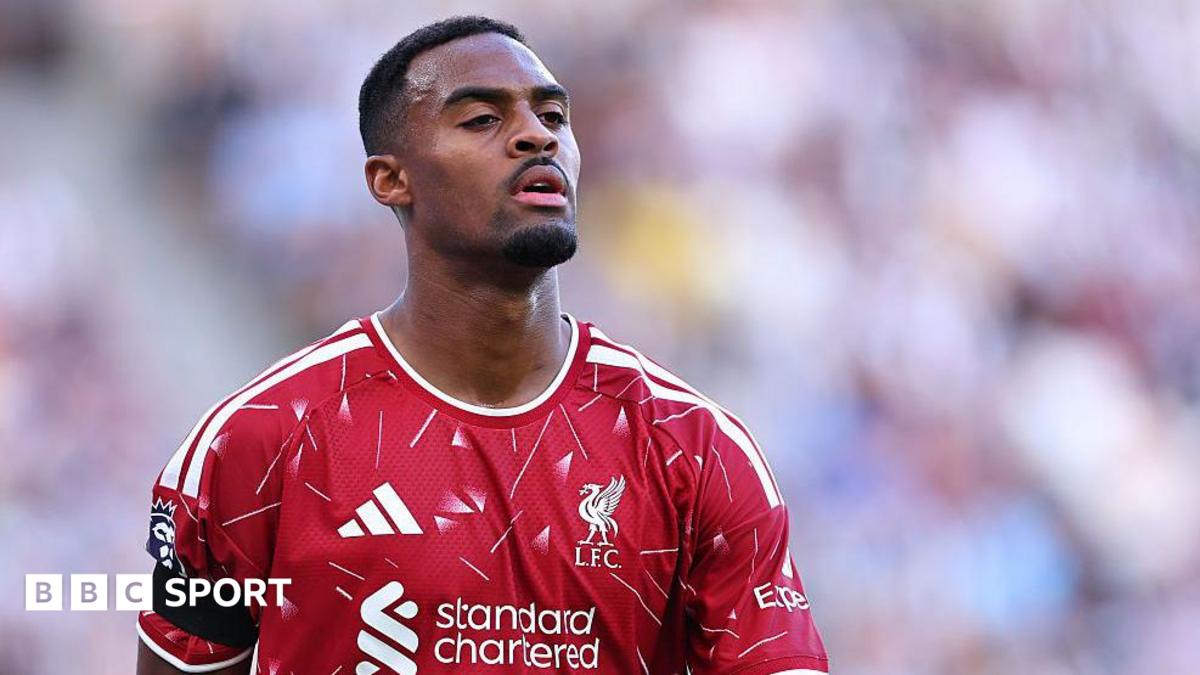
Four minutes and nine seconds were on the clock at St James' Park on Sunday when Ryan Gravenberch offered a masterclass in how quickly tactical dominance can turn into structural ruin. The Dutch midfielder bought himself half a yard with a sleek touch around Lewis Miley, facing Newcastle's back line with options on both flanks. Instead of slipping Dominik Szoboszlai through or pulling the trigger, he hesitated, attempted a second touch, and surrendered possession.
What followed should be played on an endless loop in Andoni Iraola's video room all week. Amar Dedic cleared long, Newcastle hit a single vertical pass into the central acre Liverpool's pivot had vacated, and Anthony Elanga sprinted through to finish past Alisson. Exactly 11 seconds elapsed between Gravenberch losing the ball on the edge of Newcastle's box and it hitting the back of the net.
It was defensive anarchy disguised as progressive football. Liverpool had started with real intent, circulating possession cleanly and pressing high. Yet the moment the ball turned over, Iraola’s side looked completely naked in transition.
The central defenders only compounded the problem. Neither Virgil van Dijk nor Jeremy Jacquet stepped out to engage the ball carrier early. Both held off passively, retreating toward their own penalty box while Newcastle shredded fifty yards of pitch without meeting a single tackle.
This was not an isolated lapse in concentration. Early in the second half, Gravenberch attempted an ambitious back-heel on the edge of the Newcastle box, lost possession again, and watched Yoane Wissa drive straight down the spine of the pitch. Wissa bypassed four red shirts before slipping a pass to Joe Willock, who finished in style.
Two turnovers in high-value attacking zones yielded two goals conceded. As Iraola alluded to after the match, someone needed the tactical know-how to commit a cynical foul. Nobody took the yellow card, and Liverpool paid the ultimate price.
The Stat Sheet That Exposes Liverpool's Soft Center
Iraola's tactical philosophy relies on aggressive numbers forward. He wants a fluid shape that functions as a 4-2-4 in possession, placing Florian Wirtz as a free-roaming number ten behind Alexander Isak and Hugo Ekitike.
That attacking blueprint demands extraordinary discipline from the double pivot behind Wirtz. Against Newcastle, Gravenberch and Szoboszlai provided virtually none.
The duel numbers from Sunday paint a damning picture. Szoboszlai completed 0 tackles across the entire match and won just three of his ten duels. Gravenberch recorded identical tackling output with zero tackles made while winning four of his ten duels.
When your starting central midfield pair fails to complete a single tackle over ninety minutes, your back line is left entirely unprotected. The structural void allowed Newcastle to slice through the center at will.
The contrast became blindingly obvious when Alexis Mac Allister replaced Wirtz shortly after Willock's goal. Mac Allister came on, won four of his five duels to finish with an 80% win rate, and completed two tackles in a brief spell that instantly stabilized the central zone.
Analyzing the breakdown on Sky Sports, former Liverpool striker Daniel Sturridge identified the root cause without hesitation. He offered a blunt assessment of Liverpool's squad construction.
blockquote>"Liverpool do not have that profile of player right now. The team has needed a defensive midfielder for three years. If you analyse the midfield, they are all naturally attacking players."Iraola mounted a defense of Gravenberch after the match, noting that the Dutchman later provided the assist for Cody Gakpo's equalizer. The Liverpool head coach pushed back on the idea that selection was the issue.
blockquote>"I think it's just not personnel. I understand you are telling me basically that Ryan Gravenberch is the six and he is on the edge of the box - but if he shoots and he scores we are saying what a play from Ryan Gravenberch."Iraola's logic makes sense in isolation, but it ignores the fundamental rules of rest-defense. If your nominal holding midfielder is constantly gambolling into the penalty box, you leave a chasm behind that opposition teams will exploit every weekend.
The manager reiterated his belief that defensive security must be a collective effort rather than a positional issue. He emphasized that stopping transition goals requires better team coordination.
blockquote>"We have to adapt as a team to these situations and we have to know that these situations can happen. I think the second goal, we probably did better in terms of having the numbers to defend - we don't make the foul, or go to the first challenge or probably reduce the distance with the ball carrier, so it's an incredible goal. Situations [are] just not because one person is playing there, [it] is something that we have to correct between a lot of players."The underlying metrics highlighted the absurdity of the result. Liverpool registered an expected goals tally of 2.73 to 1.43, yet needed a late penalty rescue act just to leave Tyneside with a point. Newcastle were ruthless because Liverpool invited them to be.
Three Years of Transfer Window Gambling
To understand why Liverpool find themselves walking this tightrope on August 26, 2026, you have to trace the issue back three full years. Ever since Fabinho moved to Saudi Arabia in 2023, Liverpool have treated the specialist six position as an optional luxury.
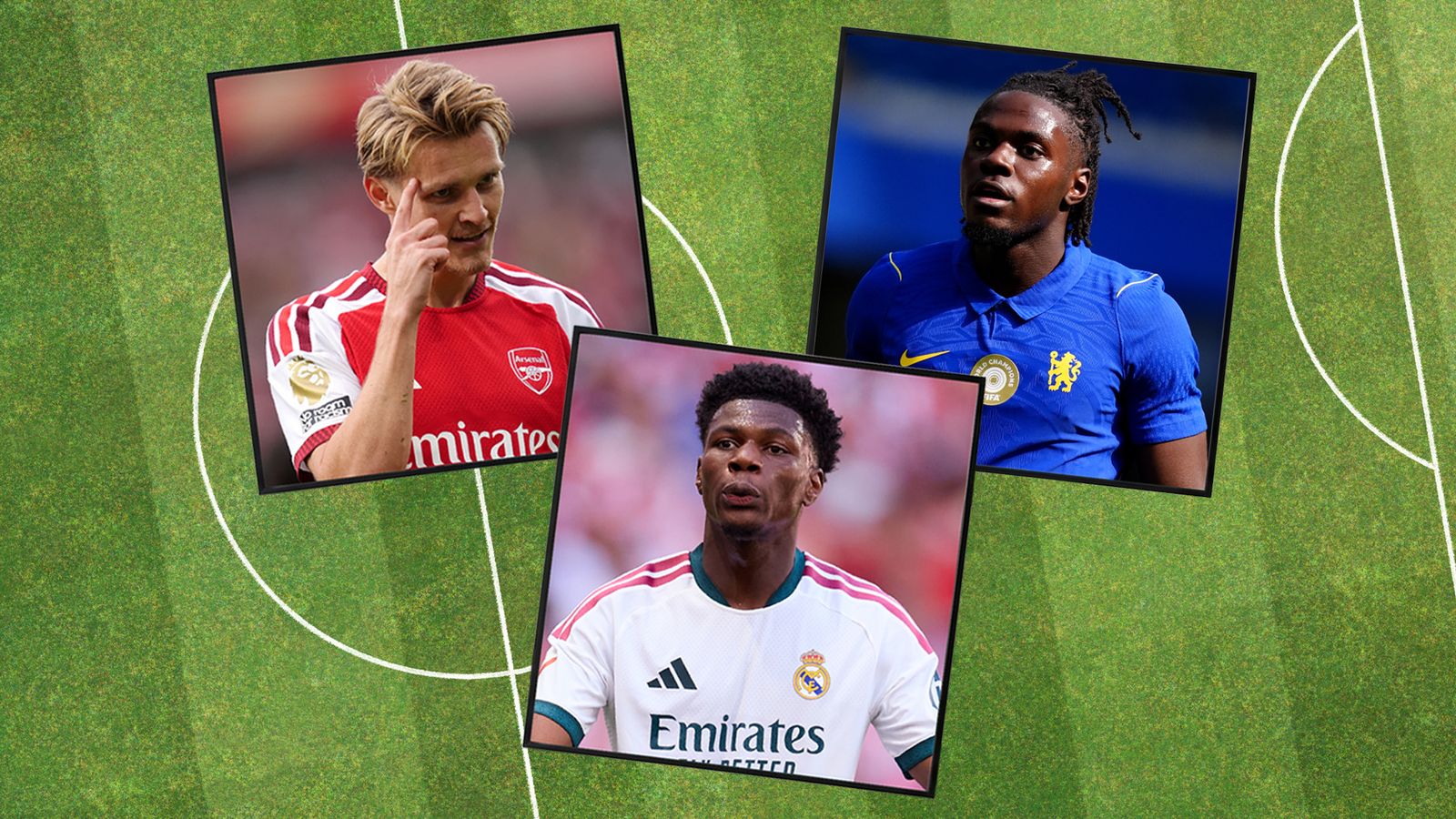
They failed to secure Moises Caicedo in the summer of 2023 before he chose Chelsea. A year later, Arne Slot tried to sign Martin Zubimendi, but the Spaniard turned down the move to stay at Real Sociedad before eventually joining Arsenal.
Slot papered over the structural cracks during Liverpool's 2024/25 title run by converting Gravenberch into a deep playmaker. Gravenberch was magnificent on the ball, but his attacking flair masked positional flaws that are now laid bare under Iraola.
When the summer window opened twelve months ago, Liverpool poured massive resources into super-charging their attack. They brought in Isak, Wirtz, and Ekitike, building a terrifying frontline while leaving the central anchor completely unreinforced.
Following Curtis Jones' exit this summer, Iraola's depth options behind Gravenberch, Szoboszlai, and Mac Allister consist of Wataru Endo, Trey Nyoni, and James McConnell. Further questions surround squad management following Harvey Elliott's latest omission from the matchday squad.
As reported by BBC Sport, Liverpool made an enquiry for Crystal Palace midfielder Adam Wharton. Palace shut down the approach immediately, making clear that the 22-year-old—who already boasts 71 Premier League appearances—is strictly not for sale.
Liverpool's internal stance remains unchanged heading into the final days of the transfer window. The club hierarchy still prioritizes wide attacking additions rather than a defensive midfielder.
Iraola is understood to be satisfied with his current midfield depth. Betting that structural coaching can replace defensive instincts is a dangerous gamble when competing at the top of the table.
The Tactical Dilemma Facing Iraola
Iraola prefers to avoid major dressing room debriefs immediately after matches, choosing to address errors a day later. His video session following the Newcastle draw needs to address the positional discipline of his midfield pivot directly.
If Wirtz retains his starting spot at number ten, Iraola must instruct either Szoboszlai or Gravenberch to stay anchored to the center circle. Leaving both players free to attack leaves Van Dijk and Jacquet exposed whenever possession flips.
The alternative is tactical pragmatism. Iraola could drop Szoboszlai or Wirtz to start Mac Allister alongside Gravenberch from the opening kickoff, providing the tactical awareness and defensive bite Liverpool lacked at St James' Park.
Benched stars and tactical compromises are never popular, but conceding coast-to-coast counter-attacking goals is far worse. Opposing managers have already seen how easily Newcastle unpicked Liverpool's central midfield.
Asking creative attack-minded players to suddenly master defensive screening under pressure is a recipe for failure. As detailed in BBC Sport's tactical analysis, Liverpool's refusal to sign a true holding midfielder leaves them vulnerable every time they lose the ball.
Iraola may believe his system can overcome these structural flaws, but top Premier League sides will continue to exploit the space behind his pivot. Until Liverpool sign or deploy a genuine defensive anchor, their title defense will remain on knife-edge.