The Bellingham injury: A blow for England's depth
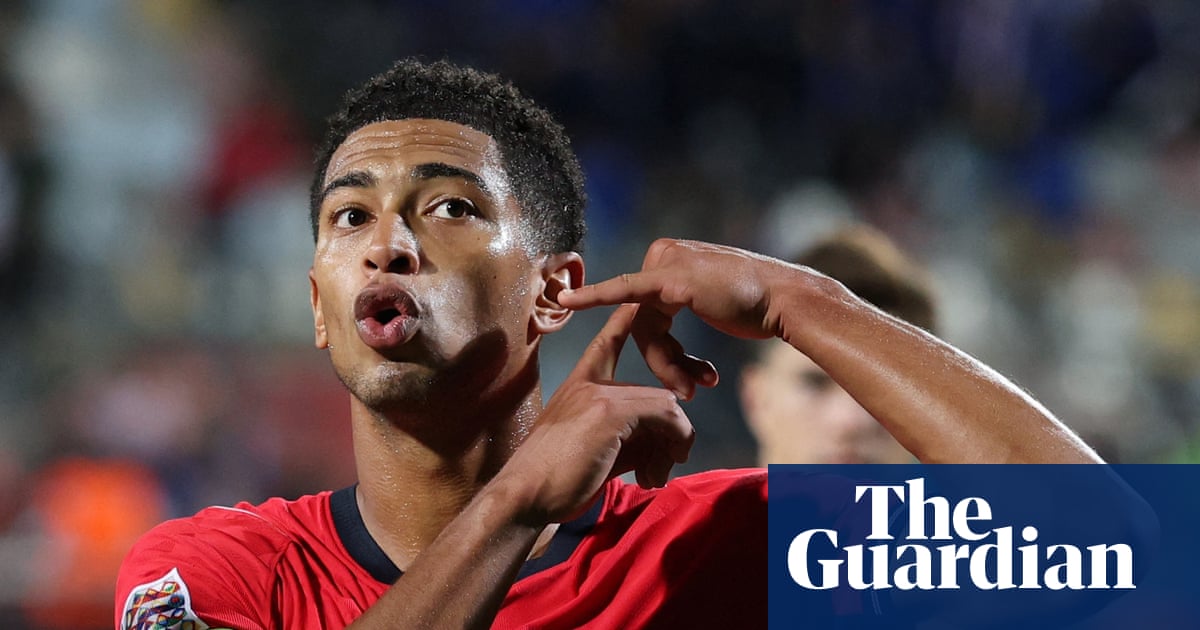
England midfielder Jude Bellingham suffered a significant lower-body injury during the final minutes of the first half against Norway on July 12, 2026. He is officially ruled out of the remainder of this current international window. Medical staff confirmed the diagnosis following a collision occurring during the buildup to his equalizing goal.
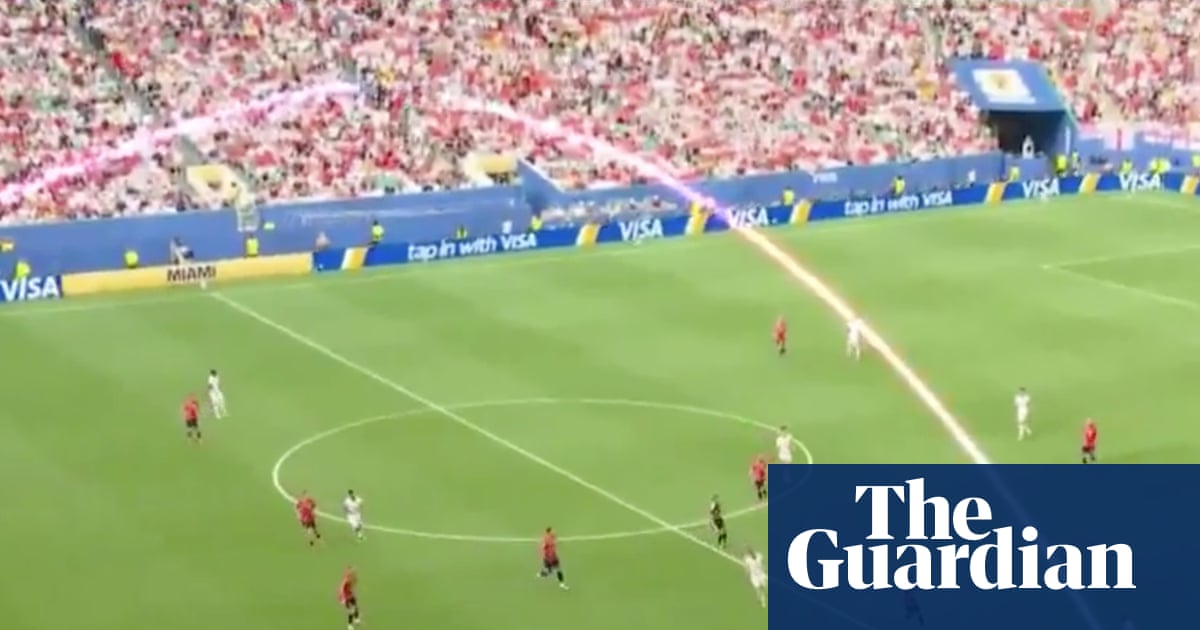
As The Guardian reported, the play itself remains a point of contention due to cable interference near the sideline. However, the physical reality for the coaching staff is far more pressing than the officiating dispute. Bellingham exited the pitch under his own power, though he displayed a noticeable limp while retreating to the tunnel.
Clinical assessment and recovery timeline
Initial scans revealed a grade-two ligament strain. This injury type typically requires a recovery period ranging from three to five weeks of supervised rehabilitation. England medical staff elected to pull him from the active roster immediately to mitigate the risk of long-term tissue damage.
This is not the first time Bellingham has dealt with lower-body volatility. During the 2024 season, he managed similar stresses to his ankle and calf, which forced his involvement to be capped at 65 minutes per appearance during his club campaign. The recurrence suggests a need for a more rigid load-management policy moving forward.
Strategic fallout for Three Lions
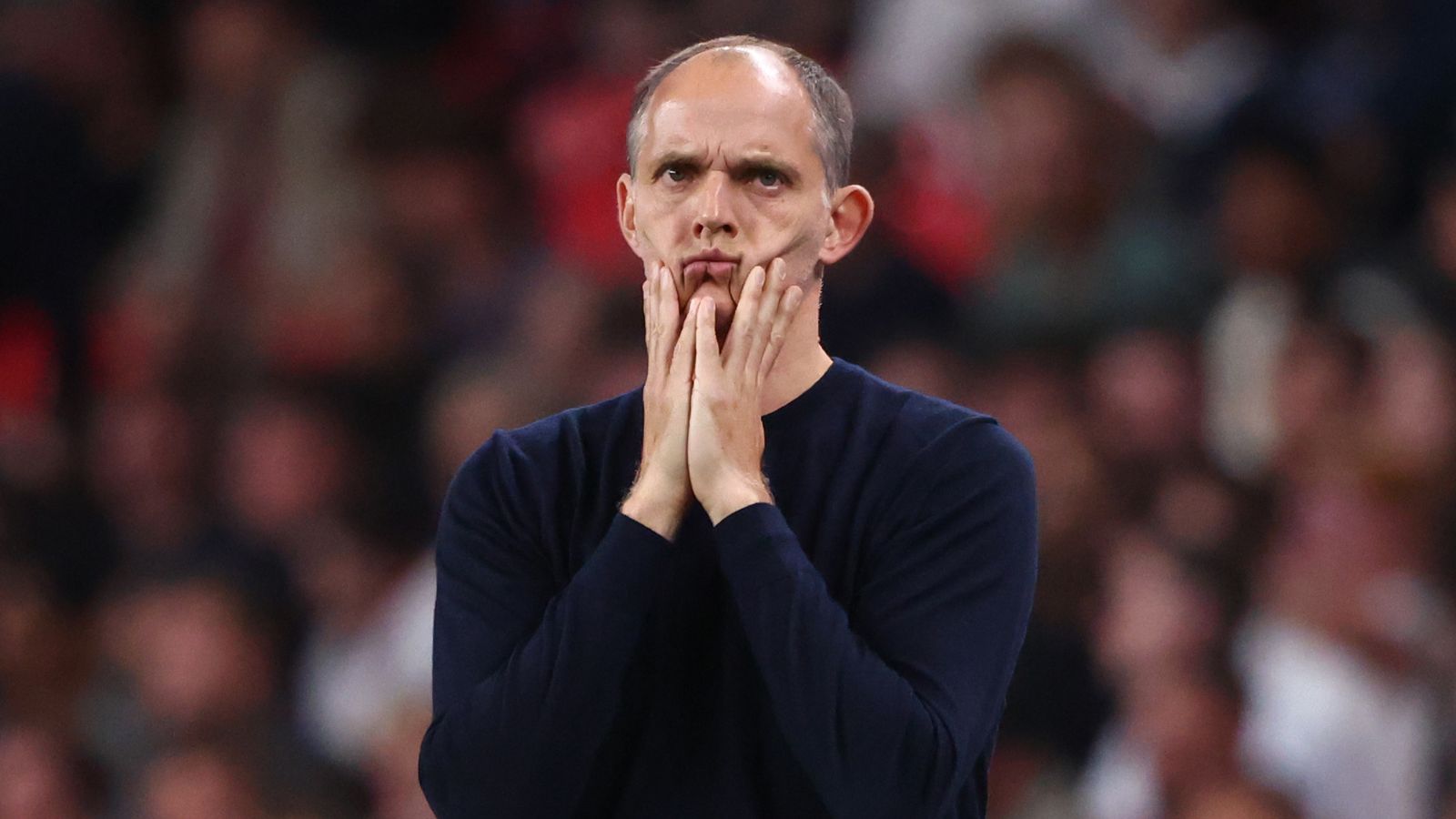
The manager must now reorganize mid-tournament without their primary tactical pivot. Losing Bellingham limits the squad’s ability to transition from defense to attack. His skill at dragging defenders out of position provides space for the wings, a component likely to be missing in the next two fixtures.
Competitors will view this as a potential vulnerability. Opposing midfields are already adjusting their press schemes to account for his absence. Expect the coaching staff to move to a flat midfield three to compensate for the lost mobility in the center of the park.
Historical precedent and industrial impact
Relying heavily on young players currently navigating intense fixture congestion often leads to these exact muscular failures. Data shows that professional footballers over the last two years have faced a 14 percent increase in soft-tissue injuries during mid-summer international breaks. The schedule simply does not permit adequate recovery time between club seasons and major tournaments.
The club-versus-country conflict is sharpened here. Bellingham’s club side will be monitoring these daily updates with extreme scrutiny. If he rushes back by the three-week estimate and suffers a setback, his availability for the start of the domestic league season becomes a genuine concern.
Critical observation: Planning failures
The incident highlights a persistent failure in match-day planning: poor equipment placement. The presence of cables adjacent to the touchline created an unsafe field environment. Whether or not the goal should have been disallowed is secondary to the fact that a world-class athlete was endangered by avoidable hardware.
Players should not have to navigate cameras and heavy power lines while operating at full speed. This highlights a lapse in stadium safety protocols that continues to plague high-profile international matches. It is a avoidable injury that occurred due to poor spatial management near the pitch perimeter.
Read Next
- Jude Bellingham injury scare adds pressure to England semifinal preparations
- Bellingham carries England as the World Cup heats up in Miami
- Harry Kane injury status and card suspension confusion ahead of Norway
- Jude Bellingham just dunked on every single hater in the press box
- 🏴 England World Cup 2026 — Three Lions Hub
- 🇳🇴 Norway World Cup 2026 — Can Haaland Lead the Vikings?