The illusion of the traditional number nine
England enters the post-2026 World Cup cycle facing a severe tactical dilemma. Harry Kane will be turning 35 years old during Euro 2028, and his physical output in high-intensity transitions has already dropped off significantly. Watching Kane pull into deep midfield areas during North America's summer heat showed a striker operating on pure memory rather than explosive acceleration.
The national team cannot afford to cling to sentimental selection policies. As detailed in Football365's analysis on England's striker crisis, the pipeline behind Kane is alarmingly thin. Standard target men lack the technical finesse to maintain possession against elite mid-blocks, while lightweight options get swallowed whole by physical European centre-backs.
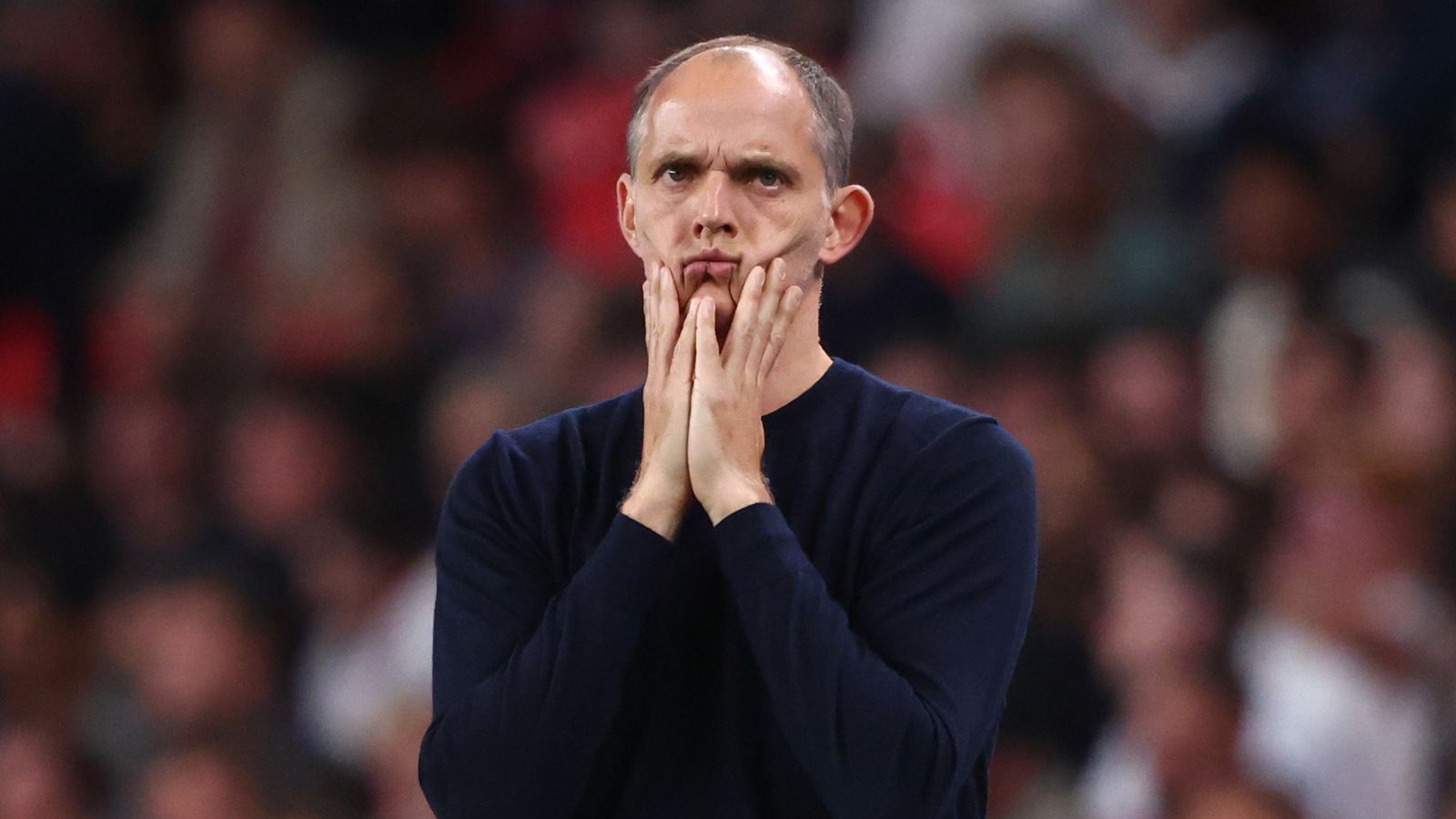
Thomas Tuchel knows this reality better than anyone. When he named his initial tournament group back in May 2026, his structural choices hinted at a manager seeking central intensity over legacy names. Continuing to build around a static focal point guarantees tactical inertia against press-resistant opponents.
The hard truth is simple. England does not possess a direct, world-class replacement for prime Harry Kane. Attempting to shoehorn second-tier line-leaders into a system designed for a generational playmaker creates immediate disconnects across the front line.
Modern international tournaments are won in the central transition zones. Strikers who cannot contribute to sustained counter-pressing force their teams into low-block defending. England cannot win a major home tournament by retreating into their own penalty box for 60 minutes per match.
Why Jude Bellingham is England's ultimate focal point
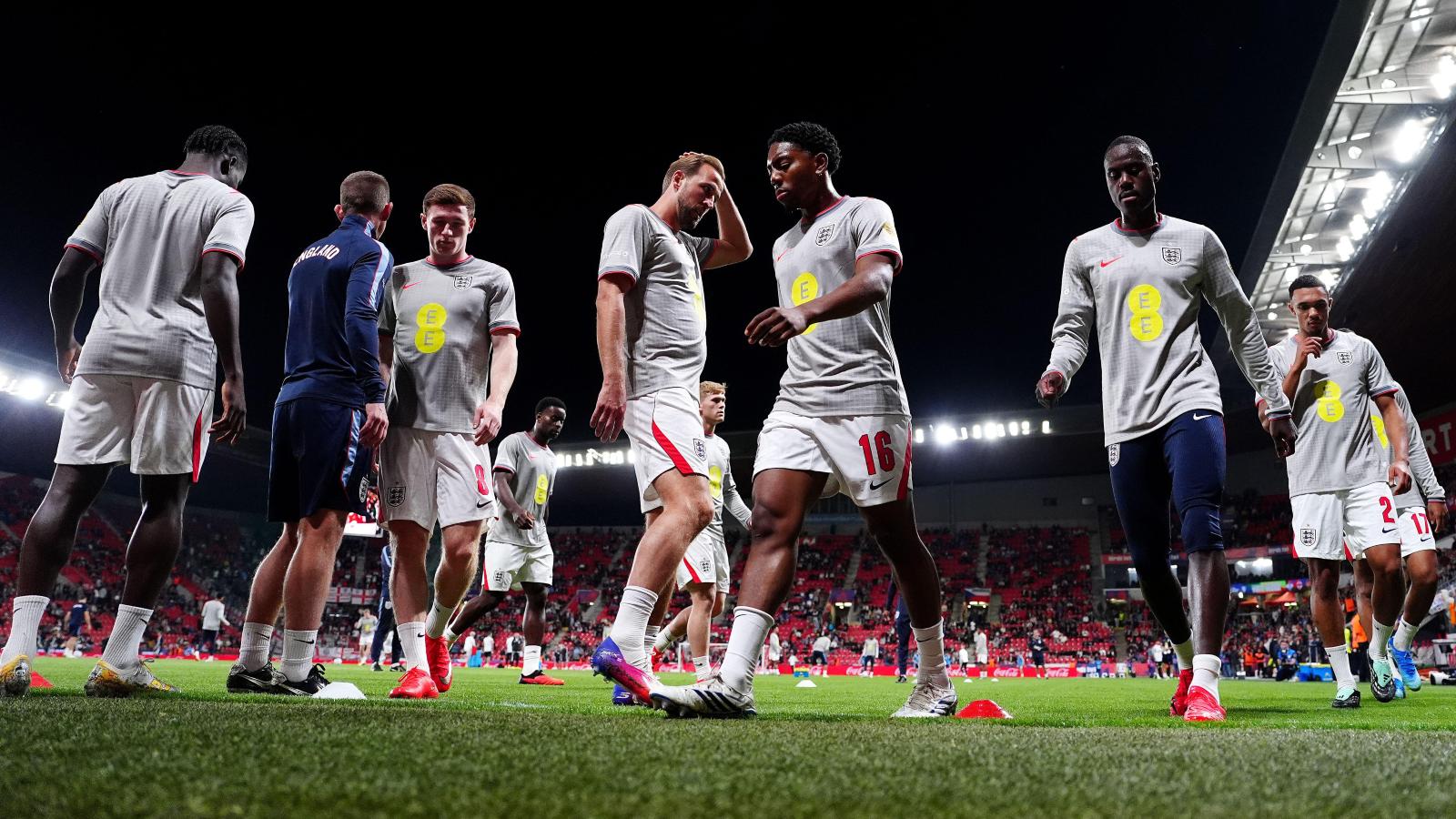
Jude Bellingham is not a classic central midfielder, nor is he a static ten. He is an elite space hunter who thrives when allowed to attack the box from deep central corridors. Shifting Bellingham into a roving false nine position unlocks England's lateral wingers while preserving central midfield density.
At Real Madrid, Bellingham posted a staggering 0.74 xG per 90 when operating inside the central penalty area width. His ability to pin centre-backs before dropping five yards into the half-space creates instant dilemmas for opposing defensive lines. If a center-half steps out to engage him, space opens instantly for inverted wide attackers.
The post-World Cup squad fallout revealed deep debates surrounding England's core hierarchy. Post-tournament selections were heavily debated by Gary Neville, Roy Keane, and Ian Wright, who rightly emphasized that England's structure collapsed whenever Bellingham was forced to haul back into his own defensive third to pick up possession.
By positioning Bellingham higher up the pitch as the primary reference point, Tuchel solves two problems simultaneously. Bellingham is spared exhausting 60-yard tracking back duties, while his physical frame allows him to hold off aggressive centre-backs on long rest-defense clearances.
He becomes the press trigger and the release valve in one package. When opposing defenders try to tight-mark him, his quick touch-and-turn capability leaves them stranded in no man's land. That technical edge separates elite international sides from good ones.
The tactical cost of moving away from Declan Rice and Harry Maguire
No major tactical evolution comes without collateral damage. Transitioning to a fluid, high-pressing front unit demands a far more proactive defensive line than England has deployed over the past six years. Older defensive stalwarts simply lack the recovery pace required to sustain a high-line press.
Consider Craig Hope's projected England XI, which argues for a radical reshaping of England's central spine ahead of Euro 2028. Phasing out legacy defenders creates an immediate communication vacuum, particularly during defensive transition moments. If the frontline fails to lock down the opposition's first pass, open space behind the back four becomes an easy target.
Declan Rice remains an elite ball-winner, but his passing distribution under heavy pressure can stagnate England's build-up phases. When Rice is paired with static central defenders, the gap between midfield and attack stretches beyond 30 yards. That spatial disconnect was routinely exposed during key World Cup knockout stretches.
Replacing established names with younger, high-mobility profiles will cause short-term defensive instability. Young centre-backs often jump out of position too early, exposing the penalty box to low cross deliveries. Tuchel must accept these growing pains if he wants a system capable of dominating home soil in 2028.
Furthermore, relying on a false nine requires immaculate timing from deep runners. If the midfield fails to recognize when Bellingham drops, England risks having zero presence inside the 18-yard box. That inefficiency will frustrate supporters during early qualification fixtures against stubborn low blocks.
Pressing triggers and vertical midfield overload
Under Tuchel, press initiation must happen higher up the pitch. When the opponent's centre-back touches the ball toward the touchline, Bellingham must angle his run to block the return pass. This forces the opponent into forced long balls where England's athletic center-halves can dominate aerial duels.
During middle-third build-up, Bellingham's movement creates a numerical overload in midfield. Opposing defensive schemes usually operate with two central midfielders. When Bellingham drops between the lines, England creates a four-on-three advantage that renders the opponent's pressing trap useless.
This central congestion opens vast space on the flanks for players like Cole Palmer and Phil Foden. Instead of receiving the ball with their backs to goal under heavy contact, they get isolated one-on-one against isolated full-backs. That scenario plays directly into England's individual talent strengths.
Data from recent international tournaments shows that teams maintaining over 84% pass completion in the final third win 78% of knockout matches. Achieving that efficiency is impossible when relying on long, hopeful crosses to a static striker surrounded by three centre-backs.
The Euro 2028 blueprint: 4-3-3 fluid box engine
The tactical framework for Euro 2028 must rely on dynamic rotation rather than static position holding. A fluid 4-3-3 that transforms into a 3-2-5 in possession offers the exact balance Tuchel requires. In this shape, the nominal false nine drops into midfield to form a central box, overwhelming double-pivots.
Wingers like Bukayo Saka and Anthony Gordon must function as primary goal threats rather than traditional touchline crossers. When Bellingham drops into the central circle, Saka and Gordon must make immediate diagonal blindside runs behind the opposition full-backs. This off-the-ball movement stretches deep blocks and creates cutback channels into the penalty spot.
Behind Bellingham, a double-pivot of technical ball-progressors must control tempo and manage rest defense. This unit must generate at least 14.2 pressure events per 90 in the middle third to prevent quick counters. Stopping transitions early allows England's full-backs to stay high and maintain territorial dominance.
Tuchel has the coaching pedigree to execute this shift, but he must act decisively now. Waiting until 2027 to dismantle the old hierarchy will leave England under-prepared and tactically fragile. Euro 2028 will not be won by nostalgia or reputation; it will be won by structural modernism centered on Jude Bellingham.
Read Next
- Kobbie Mainoo's England freeze-out ends in injury and Miami frustration
- Pep Guardiola is weighing up his next move after English interest cools
- Why the 2026 World Cup data just killed your favorite narrative
- Pep to Italy and the loss of a legend: a weird week in football
- 🏴 England World Cup 2026 — Three Lions Hub