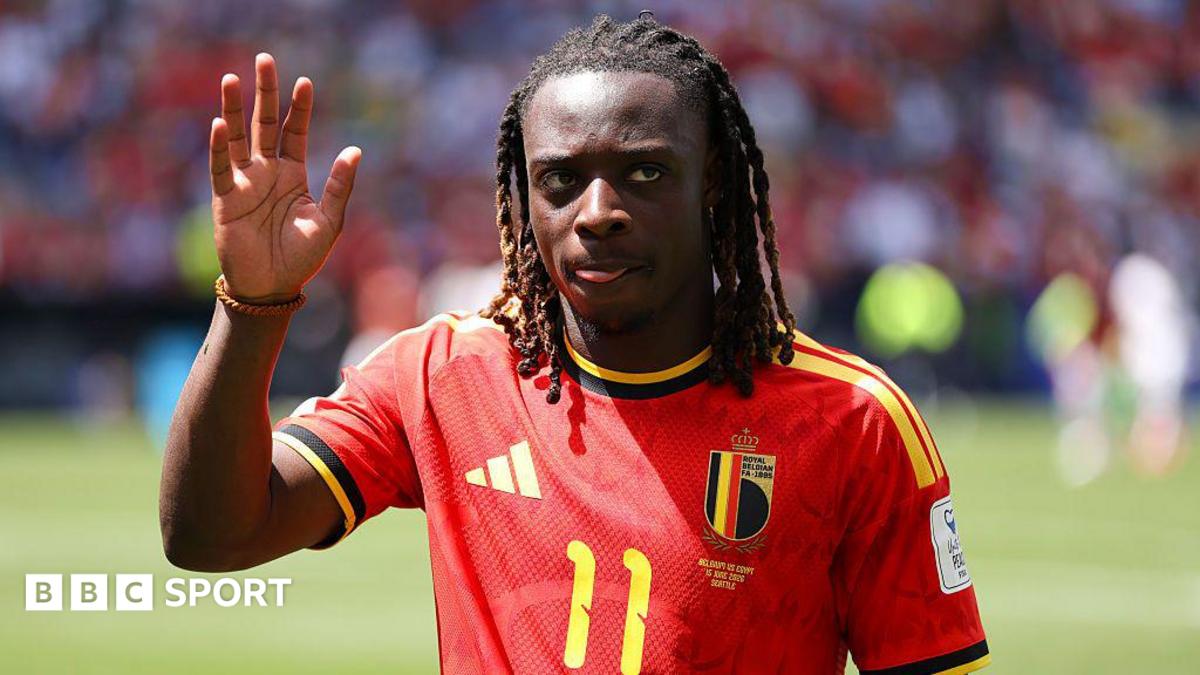
The Doku absence timeline
Jeremy Doku is currently seeking to return home to witness the birth of his first child. This request aligns with standard professional leave policies, yet the decision has drifted into controversy among certain sections of the media and fan bases who prioritize club availability over familial life milestones. The situation remains fluid as negotiations between club medical staff and the player continue regarding the logistics of his travel.
While this is not a medical injury in the traditional sense, the physiological toll of travel during a compressed international window is a factor. Missing training sessions and recovery protocols can lead to fatigue, potentially increasing the risk of soft-tissue issues if he is rushed back into matches immediately upon his return.
Professional standards and private life
The core of this debate centers on whether a professional footballer should choose family over a match-day squad. Critics argue that public figures occupying elite roles are expected to subordinate private life to match schedules. However, most modern sports scientists point to the psychological benefits of home life as a performance enhancer for long-term career durability.
As the BBC recently detailed, the backlash against Doku is disconnected from standard human resources policies in almost every other industry. Professional sport remains a outlier where the expectation of 24/7 availability ignores the personal circumstances of the individuals involved.
Historical context of athlete absence
History provides similar cases of players navigating personal crises or major life events during seasons. Historically, managers held unilateral power to fine or bench players who prioritized non-football events. That power structure has shifted. Players now possess more leverage to advocate for their health and well-being, reflecting a broader change in how athletic departments value mental stability.
Club medical teams are better equipped today to handle short-term absences than they were two decades ago. The reliance on advanced data tracking allows staff to monitor player fitness wirelessly. If Doku misses a week, his conditioning data will dictate his re-integration, making the old-school fear of 'losing fitness' over a few days feel outdated.
Strategic implications for the club
From a tactical perspective, managing Doku's absence is simple compared to injury rehabilitation. The club faces no immediate pressure to replace him on the team sheet permanently, but they do face a public relations hurdle. Alienating a player over a life event can cause long-term resentment. Smart clubs now provide support in these scenarios to ensure loyalty.
One major flaw in the current handling of these situations is the lack of a standardized league-wide policy. Without clear contractual guidelines on how to handle paternity leave during a competitive schedule, every instance becomes an ad-hoc negotiation. This creates unnecessary noise that distracts from the season, providing outlets for toxic discourse that benefits neither the athlete nor the club.
The expected timeline for Doku's return depends on the delivery date. Assuming he travels imminently, he will likely be sidelined from active competition for at least 5 days to account for transit, recovery, and re-entry into the team's testing protocols. This is a minor disruption that the squad is equipped to manage, provided the management maintains clear and professional communication with the player.
Ultimately, the vitriol surrounding this case speaks more to a disconnect between legacy sports expectations and modern realities. While some fans view any absence as a betrayal, the reality is that elite performances require elite recovery, and the mental health benefits of being present for a child's birth are statistically significant in keeping an athlete mentally sharp for the final 10 matches of a grueling campaign. Doku's choices are a reflection of an athlete prioritizing sustainable career health over optics.