The Narrative Arc of the 2026 Tournament
Eleven days into the 2026 World Cup, the tournament has evolved from a grand logistical experiment into a gauntlet of individual brilliance and collective misery. These ten moments define the shape of the competition as we reach the end of the second round of fixtures.
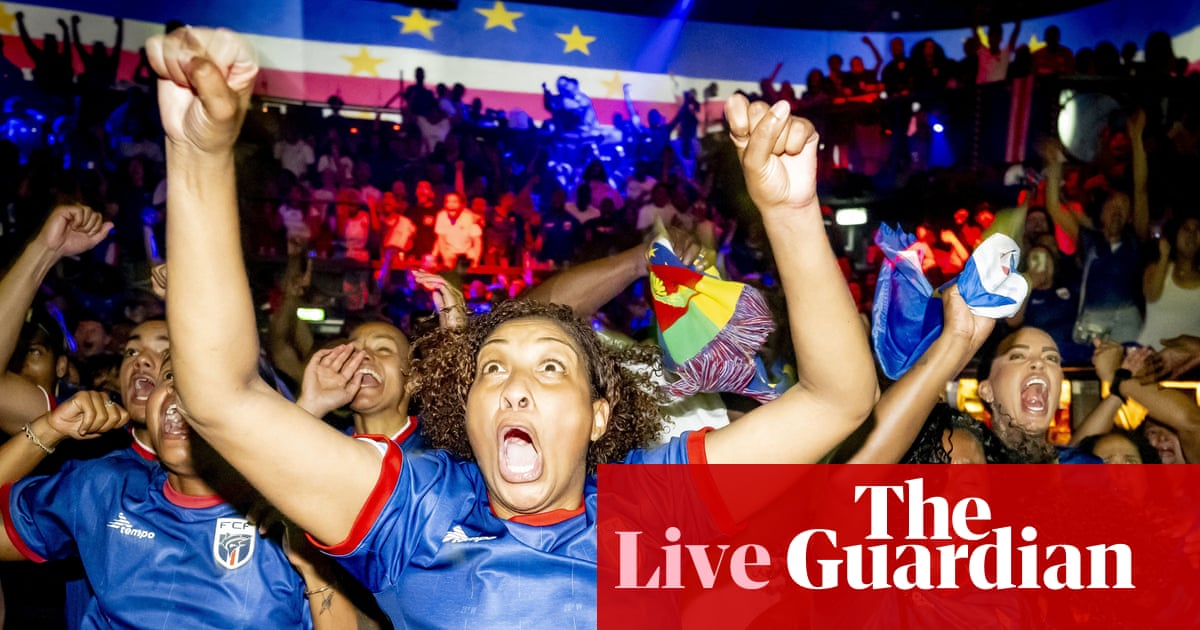
10. The Cape Verde Cinderella Run
Cape Verde remains the anomaly that refuses to vanish. Their consistent structural discipline across the first two matches has forced pundits to stop treating them as a statistical fluke. If they maintain this defensive shape against stronger opposition, they become a legitimate knockout stage threat. It is the kind of underdog story that keeps the group stages from becoming a coronation for the traditional powers.
9. The L’Équipe Editorial Failure
French media outlet L’Équipe issued an formal apology today regarding their recent coverage of Jeremy Doku. The publication drew sharp criticism for what was described as disgusting commentary directed at the Belgian star. This moment exposed the toxicity that occasionally bubbles under the surface of high-stakes international football reporting. It serves as a reminder that the media scrutiny during this tournament has often reached unforgivable levels.
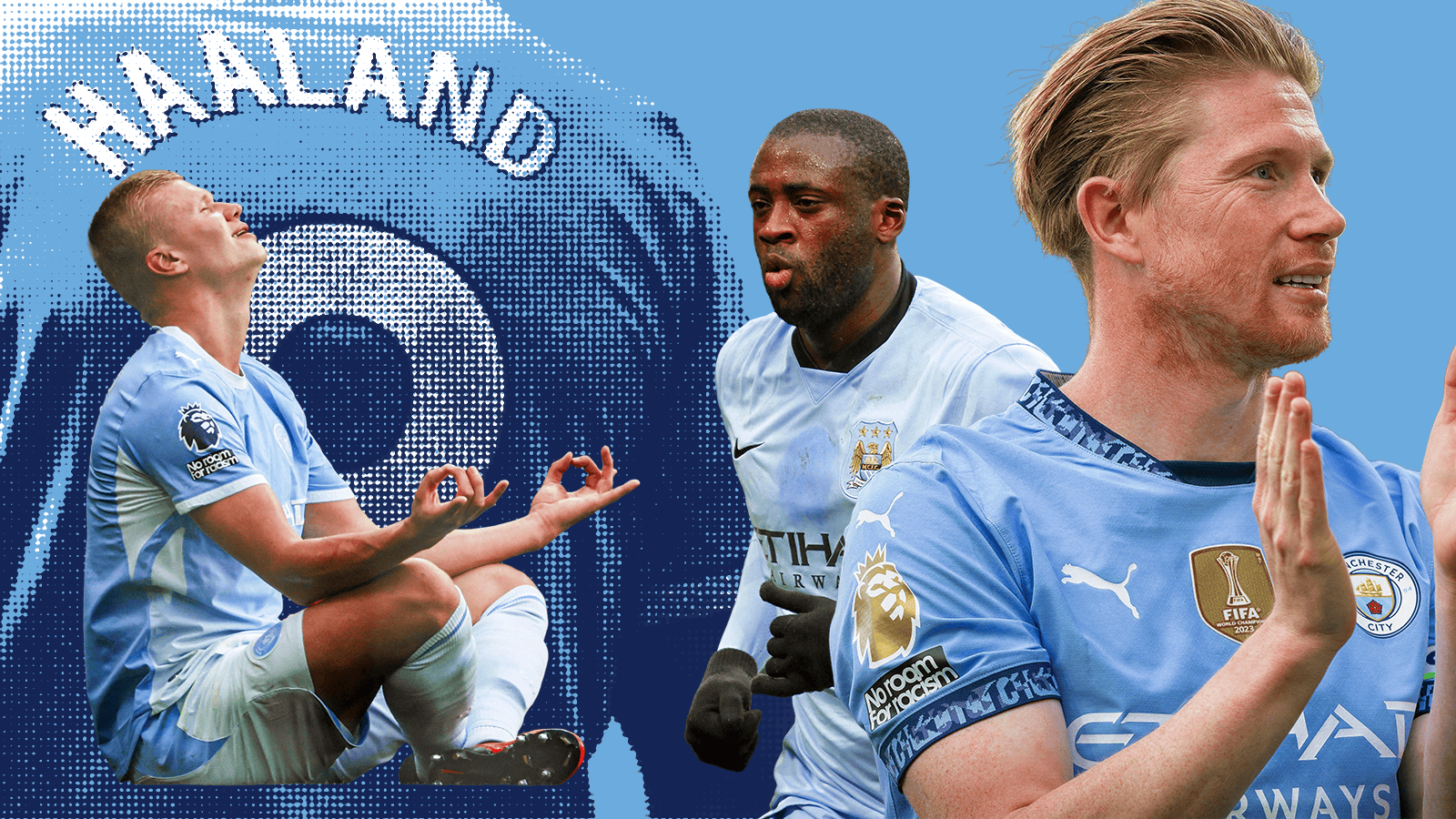
8. The Haaland Heavy-Lift
Erling Haaland’s physical dominance in the opening week provided a masterclass in target-man utility. While Norway struggles with creative cohesion, the striker has minimized errors in transition to stay viable, scoring 3 goals in his first two appearances. He is carrying a squad that lacks the technical pedigree of Germany or Brazil. His efficiency is the only reason Norway maintains a positive goal difference entering the third matchday.
7. Mbappe’s Tactical Re-alignment
Kylian Mbappe has sacrificed significant portions of his signature explosive freedom for a playmaking role in France’s midfield-heavy formation. He has looked frustrated at times, often gesturing toward his teammates after failed link-up plays. However, his movement has opened space for teammates to exploit, proving his impact goes beyond his individual scoring record. It is a maturing performance that prioritizes team function over highlights.
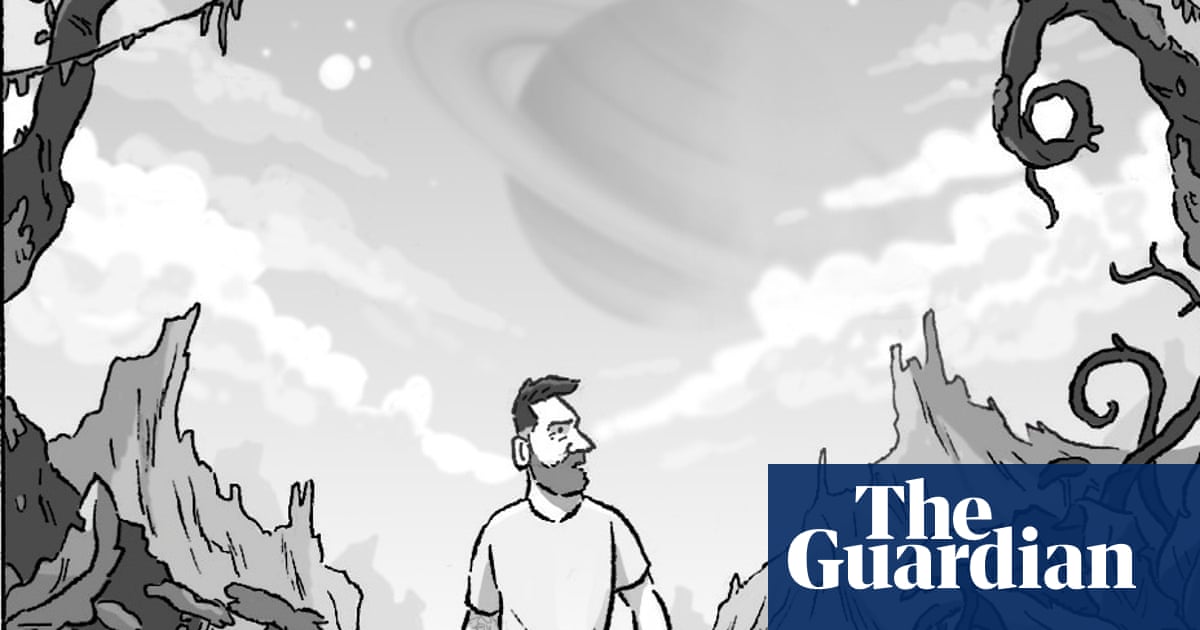
6. The Messi Midfield Pivot
Lionel Messi has shifted his role significantly at this tournament, dropping deeper to act as a secondary pivot for Argentina. His success hinges on his ability to bypass the press with a single flick, a feature that has confounded defenses that expected a more static forward role. Critics argue this leaves him too far from the final third for late-game heroics. Despite the skepticism, his vision has been the primary engine for the reigning champions.
5. The VAR Consistency Gap
The officiating standards have plummeted during the last 48 hours of play. Several high-profile VAR interventions in the Japan and Senegal fixtures have highlighted a lack of urgency, with reviews stretching past the 4-minute mark. This is an indictment of the current administrative guidelines that encourage endless rewinding of footage. It is the most frustrating element of a tournament that otherwise moves at a breakneck pace.
4. Brazil’s defensive fragility
Brazil’s decision to commit fullbacks high up the pitch has resulted in a recurring vulnerability to the counter-attack. In their recent fixture, they conceded two goals inside the first 25 minutes due to defensive lapses in the transition. While the attacking flair is undeniable, their inability to track back against disciplined teams is a major liability. No tournament favorite has looked as tactically disorganized at the back as the Seleção.
3. The England Set-Piece Dependence
England remains shackled to their reliance on dead-ball situations against lower-ranked opponents. Out of their four group stage goals, three have originated from corner kicks or long-range free kicks. While effective for result-getting, it prevents the squad from establishing a fluid rhythm in open play. Gareth Southgate’s stubborn refusal to implement a more multifaceted attacking strategy continues to irritate the traveling fans.
2. The Mid-Game Substitutions
Managers throughout the tournament have effectively weaponized the five-substitution rule to swing momentum. We have seen three matches this week decided by players coming off the bench after the 75th minute. This tactical depth is separating the contenders from the participants. It favors squads with deeper benches, making the exhaustion of the 2026 schedule a secondary factor in team selection.
1. The Global Integration of the Tournament
As The Guardian reported, the scope of this tournament across North American time zones has changed the viewing habits of fans. The sheer logistical demand of the match schedule has created a sense of constant, rolling pressure on players. It is the defining reality of the 2026 event. No team is safe from the fatigue factor, and the tournament is being decided by who adapts to the travel best.
Honorable Mentions
The rise of regional goalkeeping performances from the Concacaf representatives and the surprising goal scarcity in the opening rounds. Both trends might flip as we move toward the business end of the tournament.
Read Next