The Anatomy of Modern Football Iconography
The 2026 World Cup has evolved into a visual arms race. From the rigidity of the veteran elite to the performative flair of the new generation, the documentation process reveals exactly who controls the narrative before a ball is even kicked.
10. The Cucurella Hair Flick
Marc Cucurella’s decision to whip his hair during the official session signals a shift in player autonomy. He turned a corporate obligation into a dance sequence, proving that Spanish discipline still leaves room for individual rhythm. It ranks tenth because while the personality is undeniable, it ultimately lacks the high-stakes impact of on-pitch results.
9. Messi’s Rigid Stance
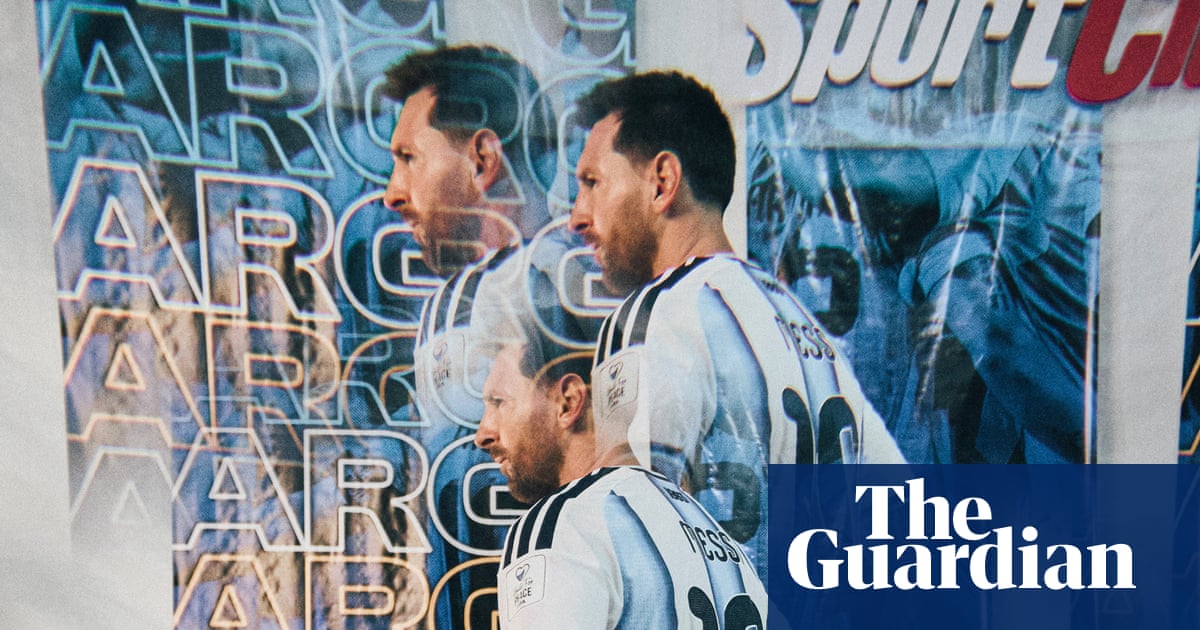
Lionel Messi stood motionless, mimicking the formality of a statue. This is the ultimate veteran move: refusing to engage with the performative demands of modern media. He understands that his legacy requires zero extra effort, making his rigidity a power play.
8. Moreira’s Concealed Expression
Diego Moreira covering his eyes remains one of the most enigmatic images of the cycle. It hints at the internal pressure facing Belgium’s youth prospects as they inherit a waning golden generation. It ranks higher than Messi’s stance simply because it suggests active psychological tension rather than passive detachment.
7. The Missing Tactical Depth
The fixation on headshots reflects a wider failure in football media to cover actual match preparation. While fans refresh feeds for artistic portraits, defensive sets are being finalized behind closed doors. This aesthetic obsession is a critique of a sport that prefers polished marketing over raw technical footage.
6. FIFA’s Standardized Lighting
The studio rig used for these portraits was consistent, aiming to homogenize every star into a single brand image. It stripped away the grit seen at clubs like Rayo Vallecano or during muddy cup ties in winter. This attempt at uniformity was a tactical mistake, as it failed to capture the chaotic history written into the faces of older players.
5. The Media Access Divide
The limited window for photographers to capture authentic reactions led to forced smiles and staged intensity. Comparing this to the candid moments shared by The Guardian’s report, one sees a stark gap in quality. Real journalism happens in the margins, not under the studio lights.
4. The Rise of the Social Media Persona
The transition from player to lifestyle brand is now complete. Athletes treated the shoot as campaign photography for their personal clothing lines. It is efficient marketing, even if it feels increasingly disconnected from the tactical reality of the pitch.
3. The Cultural Integration
Players from diverse backgrounds brought distinct cultural signaling to their poses. We saw everything from traditional gestures to modern counter-culture silhouettes. This diversity is the true strength of the tournament, far outweighing the rigid organizational structure imposed by organizers.
2. The Absence of Defensive Intensity
One major flaw: the lack of focus on the struggle of the game. Portraiture usually ignores the sweat, the tactical fouls, and the 90th minute despair of a closing defense. The current visual output is too clean, projecting an unsustainable level of ease that ignores the physical toll of a tournament schedule.
1. The Reality of the Lens
The ultimate moment was not a pose, but the realization that documentation has fundamentally replaced observation. We are watching the construction of icons, not athletes. This top spot is reserved for the shift in focus from the pitch to the pixel.
The Big Picture
The 2026 cycle is marked by a surrender to branding over substance. While the photography captures personalities, it serves as a distraction from the reality that the sport is increasingly managed as a media property rather than a competitive contest.
Honorable Mentions
- The equipment manager who insisted on perfect alignment for the final team shots.
- The international staff forced to manage player egos during a 15-minute time block.
Read Next
- Argentina are taking the 2026 World Cup and your tears are the garnish
- Quarter-final chaos: why the World Cup favorites are staring into the abyss
- Geopolitics hits the pitch as Iran faces the US in Salt Lake City
- Amir Ghalenoei claims Iran's World Cup run is historic despite turmoil
- 🏆 World Cup 2026 — Full Coverage Hub