The quiet tension when the national anthems ring out
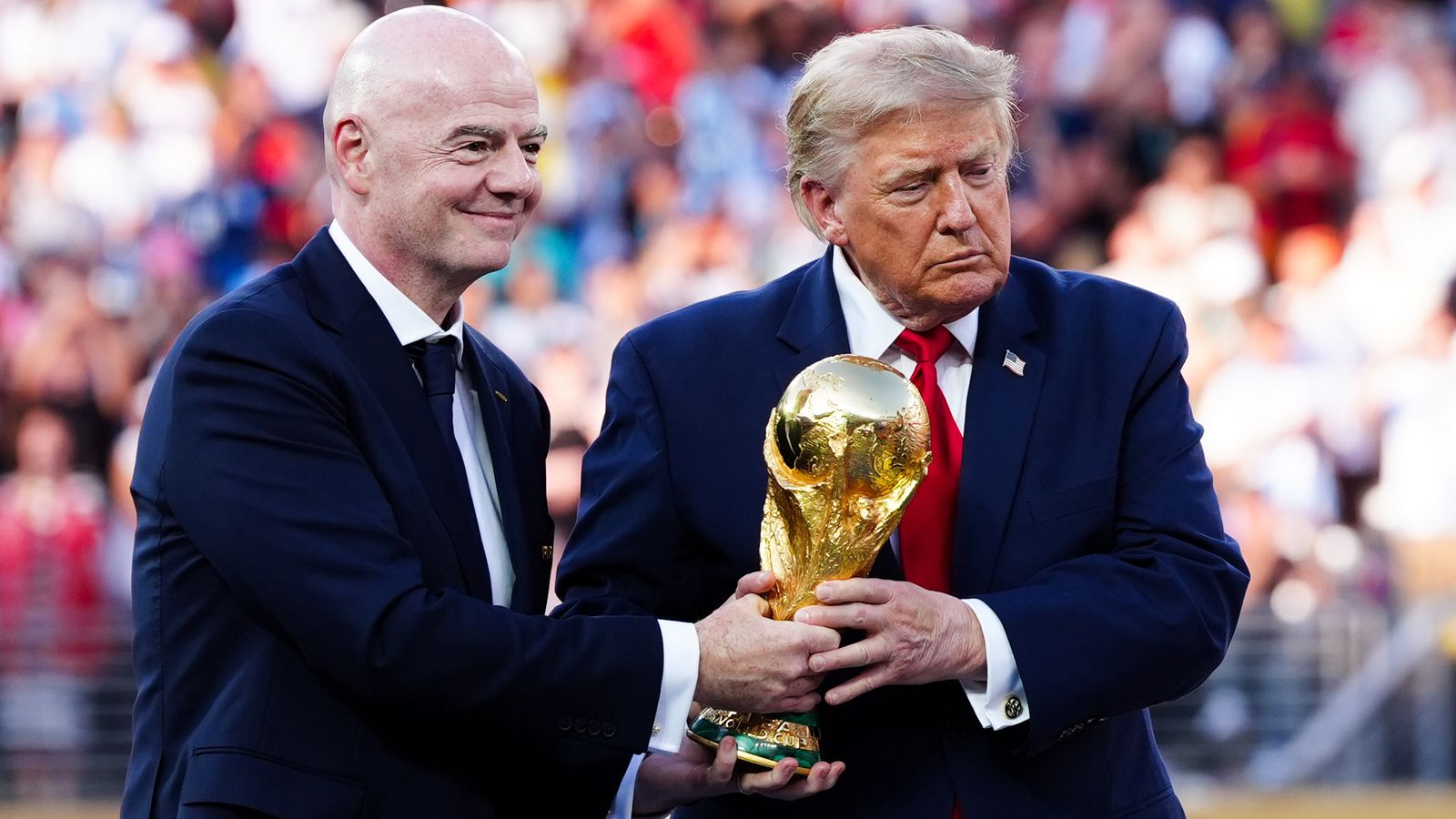
The World Cup should be a sanctuary. Instead, we have scenes that feel closer to a state department press briefing than a group stage match in Salt Lake City. Iran taking the field on American soil while their home country is being name-dropped in aggressive social media posts by Donald Trump is absolute madness.
You can ignore the optics all you want, but this is cold-blooded geopolitical theater. Donald Trump’s rhetoric hasn't made things easier for the guys in charge of team logistics. Threats to blow a country off the map generally don't help with training schedules or media training.
The players deserve better than this sideshow
I feel for the squad. These players spent four years building a system, refining their touch, and preparing for the biggest stage on the planet. Instead of talking about their defensive structure or their counter-attacking speed, they are being asked by journalists about nuclear containment and executive orders.
It is exhausting to watch athletes perform under a magnifying glass held by people who couldn't name a single starting XI player. When Trump decides to fire off messages about foreign relations, the reverberations hit the locker room immediately. It creates a toxic atmosphere where every misplaced pass is interpreted through a nationalist lens.
The absurdity of mixing sport and state terror
We saw this before in 2022, but the stakes here feel somehow louder. You have 30,000 fans in the stadium, and about half of them are genuinely there for the game. The other half seem like they’re waiting for a diplomatic incident to break out at the corner flag.
I’ve seen Mirror Football report on the specific timing of these threats and how they align with match-day schedules. It’s not just a coincidence. It is an intentional move to drag sports into the mud. When the game ends, no one is actually analyzing the tactical errors or the lack of composure in the final third.
Tactical focus is slipping through the cracks
Putting the noise aside, Iran’s performance has been questionable at best. They looked flat against their opening opponents. They didn't adjust their line high enough to press the midfield, essentially gifting possession in the middle of the park for 90 minutes. That isn't a political act—it’s just bad coaching.
If you aren't tracking your marks, you go home empty-handed. That’s the oldest rule in the book. Whether you’re competing for a gold trophy or just trying not to get embarrassed in the group, basic defensive organization remains non-negotiable.
Critics will argue that the internal pressure of the surrounding diplomatic firestorm explains the lack of urgency. I’m not buying it. You get 90 minutes to disconnect from the world and execute a plan. If you spend that time looking at the stands or checking the scoreboard for updates from Washington, you’ve already lost the mental war.
The bottom line
This tournament is becoming a mess because we refuse to let the technical quality do the talking. We obsess over the drama because it’s easier than explaining why a team can’t string three passes together on the break. The clash in the media continues to overshadow individual brilliance on the grass.
The next time you see a highlight reel, ignore the crowd noise. Look at the defensive shape. Look at how they handle the pivot. If we stop obsessing over the political posturing and start looking at the actual sport, maybe we’ll realize how much ground the team has lost due to poor tactical decisions. You cannot coach a team to win if their heads are constantly being reminded of their leader’s conflict with a foreign power.
Ultimately, the scoreboard doesn’t care about tweets or national sentiment. It only cares about who put the ball in the net more often. Iran hasn't done that, and if they don't lock in, they’ll be on a flight back home before the next headlines land.
Read Next
- Amir Ghalenoei claims Iran's World Cup run is historic despite turmoil
- Why Iran's defensive structure will frustrate top-tier opponents
- Cape Verde are the absolute main characters of the 2026 World Cup
- New Zealand vs Egypt: The Group G tactical breakdown
- 🏆 World Cup 2026 — Full Coverage Hub
- 🇮🇷 Iran World Cup 2026 — Team Melli Hub
.jpg)