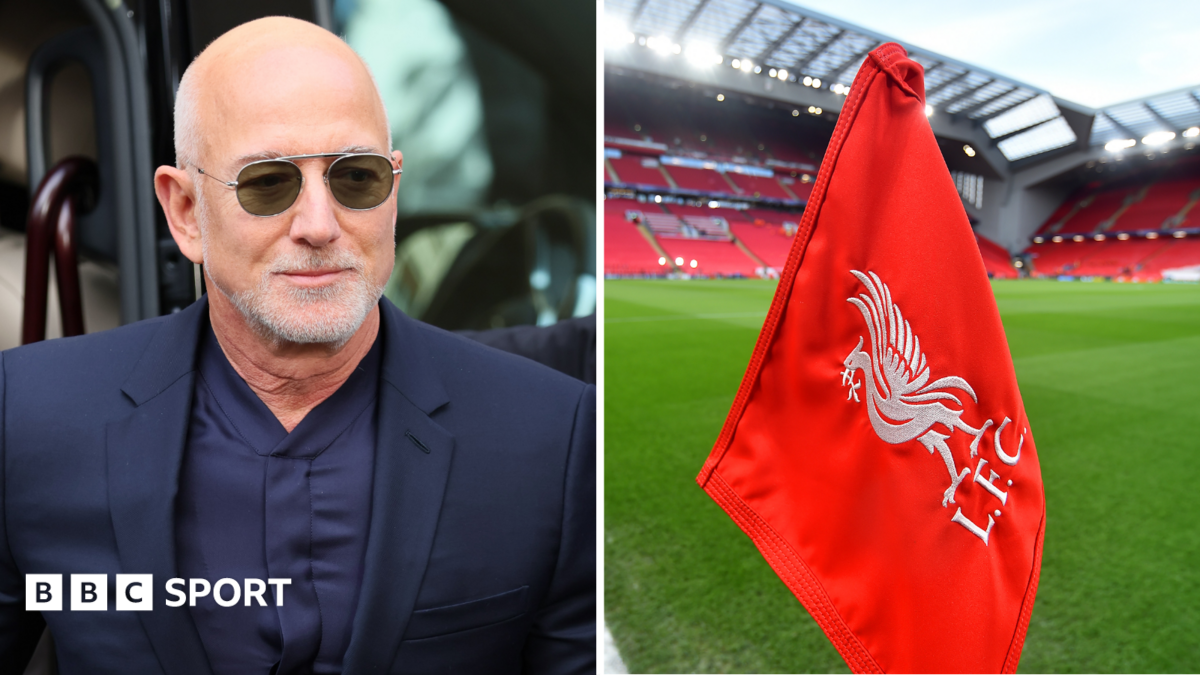
Anfield is no stranger to boardroom drama, but the latest news from the executive suite involves money on an entirely different scale. A consortium led by British-Indian businessman Amit Bhatia has advanced talks to purchase roughly a 30% stake in Liverpool Football Club.
The supporting names attached to Bhatia's group turned heads across the financial world. Amazon founder Jeff Bezos and Facebook co-founder Eduardo Saverin have joined the bidding effort, bringing Silicon Valley mega-capital to Merseyside.
Owners Fenway Sports Group confirmed in July that the consortium had formally approached them. As BBC Sport reported, FSG acknowledged the group had
"expressed interest in making a strategic minority investment in Liverpool Football Club".
For supporters who have spent years watching FSG count every penny, the arrival of world-class tech wealth sounds like a dream. Yet seasoned observers know that minority stakes rarely transform a club's immediate reality.
Before fans start printing custom jerseys for marquee signings, it pays to look closely at who is buying in, how FSG operates, and what 30% control actually buys in modern football.
The Bezos Numbers vs FSG's Financial Playbook
The headline figure attached to Jeff Bezos is almost impossible to process in sporting terms. According to Forbes, the 62-year-old Amazon chairman possesses an estimated net worth of $256bn, making him the fourth-richest person on the planet.
Even after stepping down as Amazon chief executive in 2021, Bezos retained an 8% stake in the company alongside ownership of Blue Origin and The Washington Post. His personal fortune dwarfed the entire Premier League executive board overnight.
In contrast, FSG bought Liverpool for £300m back in 2010. John W. Henry and Tom Werner turned Anfield into a commercial powerhouse by running the club on strict self-sustainability.
Under FSG, every transfer fee must be backed by organic club revenues, player sales, or prudent commercial growth. The owners refuse to pump unearned equity straight into the squad wage bill.
That disciplined approach delivered Premier League and Champions League titles, but it frequently left manager rosters thin during title races. Fans expecting Bezos to act as an open checkbook are misunderstanding the deal structure.
A 30% minority investment does not grant operational command. FSG previously sold a minority piece to sports investment firm Dynasty Equity back in September 2023 without altering their conservative transfer policy.
That Dynasty Equity money was earmarked to pay down bank debt from stadium expansion and training ground upgrades. A minority sale to Bhatia and Bezos will likely settle existing balance sheet obligations rather than fund a mid-season spending spree.
The QPR Warning: Analyzing Amit Bhatia's Track Record
While Bezos commands the headlines, Amit Bhatia is the operational leader driving this investment consortium. That reality should prompt serious reflection among the Liverpool fanbase.
Bhatia is the son-in-law of Indian steel billionaire Lakshmi Mittal. He spent 18 years as a director and co-owner at Queens Park Rangers before relinquishing his stake in July.
Eighteen years at Loftus Road provided Bhatia with extensive hands-on experience in English football governance. Unfortunately for QPR supporters, those eighteen years were defined by structural instability and erratic decision-making.
During Bhatia's tenure, QPR cycled through dozens of managers, signed overaged stars on inflated contracts, and suffered immediate relegation from the Premier League. Their reckless spending culminated in a massive Financial Fair Play fine in 2018.
Despite heavy backing from Mittal, QPR spent most of Bhatia's ownership spell stuck in the bottom half of the Championship. Wealthy family backing did not translate into smart recruitment or coherent pitch strategy.
Managing a mid-table Championship club struggling with wage bills is vastly different from steering an elite European heavyweight. Liverpool's modern success relies on analytical precision and unified leadership.
If Bhatia expects to take a hands-on role at Anfield, supporters have every right to ask tough questions about his record. Good intentions and deep family pockets do not automatically build winning football teams.
Billionaire Vanity vs True Sporting Ambition
Jeff Bezos is no stranger to professional sports speculation. In 2023, he was widely linked with a takeover of the Washington Commanders after controversial owner Daniel Snyder put the NFL franchise up for sale.
Bezos also explored purchasing the Seattle Seahawks, examining the numbers for the Super Bowl winning franchise. Yet in both instances, the Amazon founder walked away without submitting a formal offer.
His sudden pivot toward English football alongside Eduardo Saverin marks his first actual entry into team sports investment. But buying a minority slice of Liverpool is a very specific type of financial asset play.
In American sports leagues with strict salary caps, team values rise consistently regardless of on-field results. European football is far more volatile, where missing Champions League qualification can cost tens of millions in revenue.
For Bezos, buying 30% of Liverpool offers exposure to global media rights without the burden of running daily football operations. He gets the prestige of Anfield without the public pressure of answering for bad transfer windows.
That passive structure suits tech billionaires, but it rarely benefits supporters wanting competitive urgency. If the new investors view Liverpool merely as an inflation hedge, boardroom friction with fans is guaranteed.
A non-controlling shareholder cannot force FSG to increase squad spending. Unless Bezos and Saverin intend to buy out John W. Henry entirely in the future, their presence remains largely symbolic.
What This Boardroom Battle Means on the Pitch
While executives negotiate equity split percentages, Liverpool face immediate tactical challenges on the pitch. Premier League title races are decided by squad depth and tactical flexibility, not balance sheet valuations.
Last season exposed clear physical limits in Liverpool's high-tempo engine room. When starting midfielders logged heavy minutes across multiple competitions, pressing triggers slowed down dramatically during the final twenty minutes of matches.
Against teams sitting in a compact low block, central progression rates dropped whenever key rotators missed out through fatigue. Without dynamic bench options, the team struggled to break down stubborn defensive lines.
Opponents quickly identified spatial gaps behind Liverpool's pressing line when defensive midfielders stepped up to challenge. A lack of elite depth left center-backs exposed on fast transitions, leading to soft goals conceded late in games.
Addressing those tactical flaws requires strategic reinvestment in young, high-capacity talent. If the incoming consortium capital is absorbed by FSG corporate reserves, squad depth will remain dangerously thin.
Title rivals like Manchester City and Arsenal continue to refresh their squads with multi-million pound bench options. Liverpool cannot afford to treat squad expansion as a secondary concern while corporate reshuffles drag on.
Supporters deserve absolute clarity from FSG regarding the purpose of this 30% equity sale. If new capital does not directly enhance squad competitiveness, fans will rightly question ownership priorities.
As reported in the BBC coverage of the negotiations, talks remain active between the parties. But until contracts are signed and transfer funds allocated, skepticism remains the healthiest attitude at Anfield.
The Verdict: Financial Security vs Pitch Ambition
Liverpool Football Club stands at a familiar fork in the road. FSG's model has built financial stability and modernized club facilities, but modern football demands constant aggressive investment.
Adding Jeff Bezos, Eduardo Saverin, and Amit Bhatia brings immense financial prestige to the Anfield boardroom. However, billionaire names on executive stationery do not score goals or track runners on defense.
Bhatia's troubled 18-year record at QPR proves that money without operational competence creates chaos rather than success. Meanwhile, Bezos's history of walking away from sports bids suggests his involvement could be fleeting.
If this consortium deal goes through, FSG must ensure the capital fuels squad evolution rather than owner liquidity. Anfield has never demanded oil-state spending, but it demands ownership that prioritizes trophies over balance sheets.
Until the new investors show their commitment on the transfer market, Liverpool fans should keep their enthusiasm on ice. Modern football history is full of corporate promises that failed to deliver on Saturday afternoon.
Read Next
- Jeff Bezos and Amit Bhatia are closing in on a massive Liverpool stake
- Liverpool's gamble on Victor Munoz is Andoni Iraola's ultimate chaotic statement
- Liverpool blowing back-to-back leads is an absolute alarm bell for Iraola
- Mohamed Salah redesigned how wingers score goals in modern English football