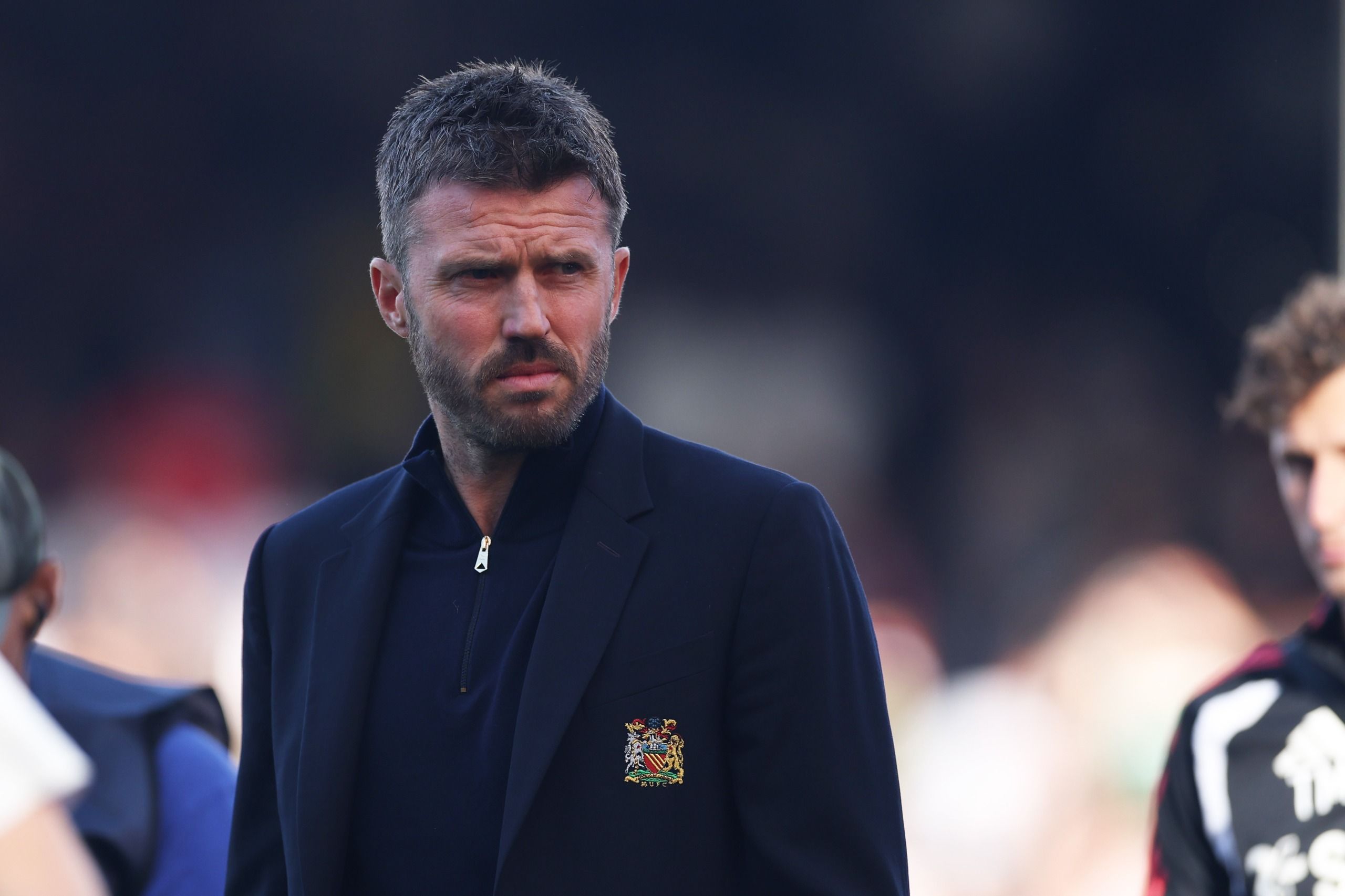
Just when Manchester United supporters thought the international break would offer a peaceful retreat from matchday anxiety, the boardroom doors blew completely off their hinges. Sir Jim Ratcliffe decided to spend his week opining on national politics during a BBC interview. Instead of calming the waters, he ignited a full-scale civil war within the fanbase.
The 73-year-old INEOS boss claimed the UK was on the slide because nobody was tough enough to deal with immigration and benefits. That did not sit well with the man whose quotes inspired Ratcliffe's own holding company. Eric Cantona entered the chat, grabbed the microphone, and delivered a rhetorical sternum-crusher to the club co-owner.
If you thought the political discourse was spicy, wait until you look at the ledger sheets. United dropped their financial accounts for the 2025/26 season, revealing rising debt levels despite record revenues. Sitting 12th in the Premier League under Michael Carrick, United fans are now fighting in every comment section from Stretford to Singapore.
King Eric Delivers the Flying Kick to INEOS
Cantona did not mince words when speaking to fan host Peter Boyle. Ratcliffe literally named his holding firm Trawlers Ltd after Eric's legendary 1995 press conference line. Yet when Boyle asked King Eric if he would sign for Manchester United under Ratcliffe's regime, Cantona answered with brutal simplicity.
"No. Of course not. You know what I think about all of this, with this kind of politics. And I cannot understand that someone like this can say something like this when he's one of the owners of the club."
Cantona went further, drawing direct lines to the history of the sport across Europe. He pointed to legendary figures like Raymond Kopa, the son of Polish immigrants who worked the mines in France, along with Michel Platini's Italian heritage and his own family fleeing Spain as refugees. The Frenchman insisted that the greatest players in history were forged through successive waves of immigration.
"Football is made - all the greatest players come from different waves of immigration. Everywhere, in France, in England, everywhere."
The online reaction to Cantona's comments was instantaneous and polarized. The majority of United supporters rallied behind the icon who won four Premier League titles in five years before his shock 1997 retirement. Fan forums erupted with praise for Cantona calling out what many viewed as wealthy hypocrisy from an offshore billionaire.
However, a vocal subset of contrarians rushed to defend the INEOS chief. Skeptics argued that Ratcliffe was simply voicing common political concerns and that football figures should refrain from lecturing business leaders. Others suggested that Cantona was out of touch with modern economic reality, claiming his emotional response ignored practical governance issues.
The main counter-argument from the pro-Cantona camp is overwhelmingly stronger. Ratcliffe willingly bought into an institution built by working-class fans and global talent. Trying to brand himself as a savior while spouting divisive political talking points feels completely detached from the soul of Old Trafford.
The Balance Sheet Looks Like a Wile E. Coyote Chasm
While the political storm raged, the financial nerds were busy dissecting United's latest official accounts. The numbers tell a bizarre story of top-line growth paired with alarming debt accumulation. As Mirror Football reported, total revenue reached a record high of £677.6m, representing a 1.7 percent uptick.
That bump came largely from domestic broadcasting rights after Carrick guided the club to a third-place finish in 2025/26. Broadcast revenue alone surged by £33.9m, recovering nicely from the disastrous 15th-placed campaign in 2025. But that is where the good news ends.
Non-current borrowings soared from £471.9m last year to a terrifying £577.6m. Overall net losses expanded to £43m, outstripping the previous year's £33m loss. To make matters worse, matchday revenue plunged by £6.8m due to early domestic cup exits and a total absence from European competitions.
Financial apologists on social media quickly pointed to the operating profit of £22.6m as proof that INEOS is stabilizing operations. They argue that revenue growth without European football proves the underlying strength of the commercial machine. In their view, debt increases are simply structural obligations inherited from previous mismanagement.
The skeptic community is having none of it. Fans are rightfully furious that borrowing expanded by over £100m in a single year while ticket prices remain steep and stadium leaks continue to meme themselves on Twitter. When overall losses grow by £10m despite record turnover, celebrating an operating profit feels like admiring the paint job on a sinking submarine.
Here is how supporters are categorizing the current financial state:
- The Optimists: Highlighting record top-line revenue of £677.6m and Carrick's league turnaround from 15th to 3rd.
- The Realists: Focusing on the £577.6m debt wall and the £43m net loss during a year without European fixtures.
- The Radicals: Demanding complete structural ownership changes, claiming INEOS is just Glazer economics with better press releases.
Carrick on the Pitch, Chaos in the Boardroom
Lost in all this corporate drama is the actual football team trying to win games on Saturday afternoon. Michael Carrick has a massive tactical puzzle to solve during this international break. Manchester United currently sit 12th in the Premier League table, looking nothing like the resolute squad that stormed back into top-three contention last term.
Enthusiasts insist Carrick deserves patience while integrating new tactical patterns into his midfield setup. They point out that early season table positions in September are notoriously noisy, noting that two straight victories after the break could vault United right back into top-four contention. His defenders argue that boardroom political noise is needlessly distracting from genuine progress on the training pitch.
The pessimistic majority sees a far more concerning trend of tactical stagnation. Carrick's setup has looked rigid, lacking the fast vertical transitions that defined their best performances in the 2025/26 campaign. Dropping points to lower-tier opposition has exposed midfield defensive transition flaws that no amount of glossy commercial revenue reports can disguise.
The contrast between corporate PR rhetoric and pitch performance is becoming unbearable for the fanbase. Sir Jim Ratcliffe preached tough decisions and high standards, yet the club's sporting execution remains deeply erratic. When results on the pitch sag, billionaire owners lose their shield against supporter scrutiny very quickly.
The Verdict: Who is Actually Right Here?
When you weigh Cantona's passionate defense of football's immigrant roots against Ratcliffe's political pontificating, the King wins by a absolute knockout. Football clubs in England are community institutions, not personal soapboxes for tax-haven billionaires to lecture working people about societal slides. Cantona spoke with the raw passion of a man who understands why football matters to ordinary fans.
On the financial front, the skeptic community holds an unbeatable argument. You simply cannot claim to be restoring fiscal discipline when non-current borrowings jump by over £105m to hit £577.6m in twelve months. Expanding net losses to £43m during a year without European football proves that the margin for error has evaporated.
United supporters are completely exhausted from being collateral damage in executive ego trips and endless balance sheet gymnastics. Michael Carrick needs to find immediate answers on the pitch before October arrives, or 12th place will turn from an early bump into a full-blown existential crisis. Until the football improves and the boardroom stays quiet, King Eric's scathing words will echo through Old Trafford every single day.