Tier 1 Report: Bezos and Bhatia Target 30% Liverpool Stake
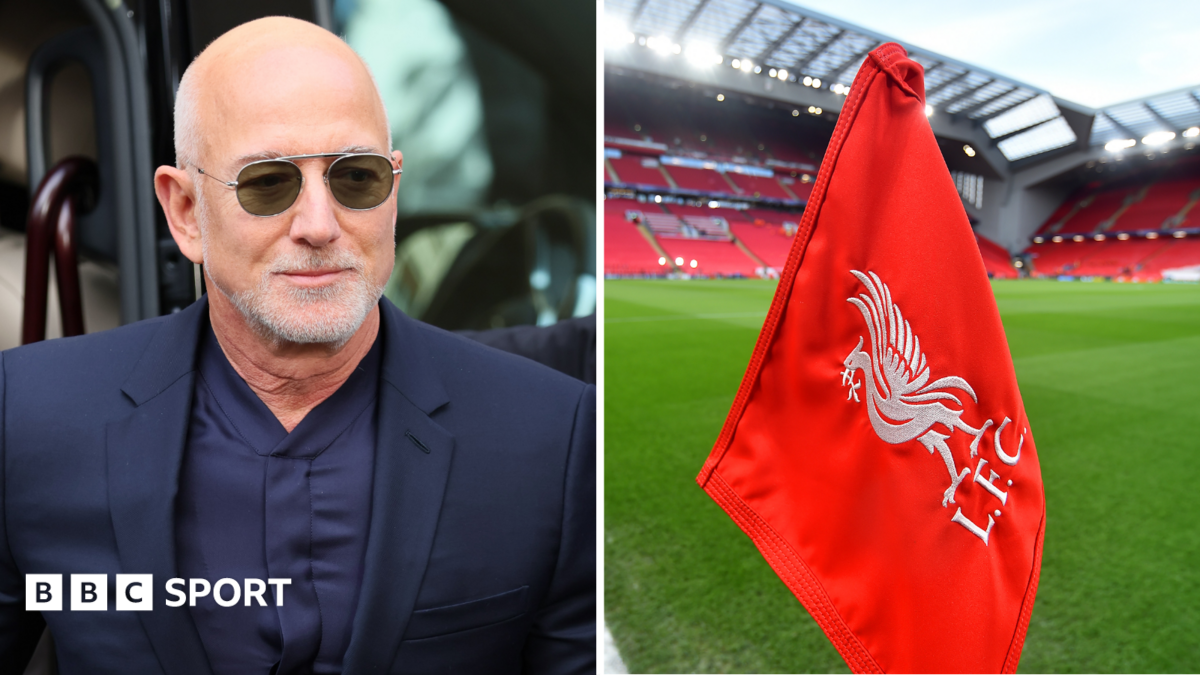
BBC Sport reported today that high-level negotiations are advancing for a business consortium to purchase approximately a 30% stake in Liverpool Football Club. The investment syndicate is led by British-Indian businessman Amit Bhatia and includes Facebook co-founder Eduardo Saverin alongside Amazon founder Jeff Bezos. This update comes directly from BBC Sport, giving the news Tier 1 status in European sports business reporting.
Fenway Sports Group opened the door to strategic minority investment last month in July 2026. According to BBC Sport, FSG formally confirmed that Bhatia's group had
"expressed interest in making a strategic minority investment in Liverpool Football Club". Those exploratory chats have now developed into structured talks regarding equity valuation and governance terms.
The timing fits recent boardroom shifts in London. Bhatia spent 18 years as a director and co-owner at Queens Park Rangers before surrendering his equity stake at Loftus Road last month. That clean departure cleared the way for him to spearhead this new Anfield project.
The Syndicate: Who Is Buying into Anfield?
Amit Bhatia is acting as the front man and primary organizer for the transaction. The son-in-law of Indian steel magnate Lakshmi Mittal, Bhatia brings nearly two decades of executive experience in English football. He understands the commercial reality of domestic football, having managed club affairs at QPR through multiple promotion and relegation cycles.
The headline name attached to the bid is Jeff Bezos. The 62-year-old Amazon founder possesses an estimated net worth of $256bn, making him the fourth-richest person on Earth. Bezos stepped back from Amazon's chief executive role in 2021 to serve as executive chairman, while retaining an 8% stake in the e-commerce giant.
Facebook co-founder Eduardo Saverin provides secondary tech backing to round out the capital group. Together, Saverin and Bezos give Bhatia extraordinary financial firepower. This syndicate pairs hands-on football director experience with some of the largest tech fortunes created over the past quarter-century.
FSG's Ownership Model: Why Sell 30% Now?
Fenway Sports Group bought Liverpool back in 2010 in a deal worth £300m. Under John W. Henry, FSG transformed the club into a modern financial success, delivering Champions League and Premier League titles. However, competing against state-backed clubs demands capital reserves that test self-sustaining financial models.
This is not FSG's first move toward external investment. BBC Sport previously covered how FSG sold a minority stake to US investment firm Dynasty Equity back in September 2023. That transaction was targeted at paying down bank debt accumulated during stadium construction and pandemic disruptions.
Selling a 30% stake now represents a far bigger structural transaction. It allows FSG to cash in on Liverpool's massive valuation growth since 2010 without giving up voting control. For Henry and FSG, bringing in silent billionaire partners keeps operational decision-making squarely in Boston while bolstering the balance sheet.
Skeptical Reality Check: Red Flags and Failed Bids
Every transfer or takeover rumor requires skeptical scrutiny, and this deal has obvious weak spots. Start with Bhatia's 18-year tenure at QPR. Despite substantial financial backing from Mittal and Bhatia, QPR suffered constant managerial turnover, erratic transfer windows, and spent most of those eighteen years outside the Premier League.
Then look at Bezos' track record when evaluating sports franchises. In 2023, Bezos explored a high-profile takeover of the NFL's Washington Commanders after Daniel Snyder put the franchise up for sale. Bezos hired financial advisers and reviewed team financials, but walked away without submitting an official bid.
Bezos ran the exact same playbook with the Seattle Seahawks. He analyzed the Super Bowl champions' asset sheet but declined to make a formal offer when negotiations heated up. Bezos is a frequent tire-kicker in professional sports, and his presence in talks does not guarantee a signed contract.
There is also the question of governance friction, as FSG does not delegate sporting control to minority partners. Will tech figures accustomed to total control accept sitting on a board where John W. Henry makes every final call? That dynamic has collapsed minority bids at other top European clubs.
Probability Assessment: Gauging the 'Here We Go' Factor
Where does this deal stand on the probability scale? We rate the likelihood of completion as medium-high. Tier 1 reporting from BBC Sport confirms that talks are beyond the preliminary stage and into active negotiations.
The core elements line up logically. FSG wants liquidity, Bhatia has severed ties with QPR, and the consortium's capital resources are undisputed. However, pricing a 30% equity portion of a major global brand is notorious for prolonged disputes over minority protections and exit clauses.
Here is a breakdown of the key facts governing this potential acquisition:
- Source Rating: Tier 1 reliability (BBC Sport direct reporting).
- Lead Investor: Amit Bhatia (former QPR co-owner, Lakshmi Mittal son-in-law).
- Primary Financial Backer: Jeff Bezos ($256bn net worth, Washington Post and Blue Origin owner).
- Secondary Investor: Eduardo Saverin (Facebook co-founder).
- Proposed Stake: Approximately 30% minority equity share.
- FSG Purchase Benchmark: Acquired Liverpool for £300m in 2010; previous minority sale to Dynasty Equity in September 2023.
Expected Timeline: When Could Final Signatures Happen?
Do not expect a press release this week. Deals involving multi-billion valuations require regulatory checks, cross-border tax structuring, and compliance reviews. Legal teams must inspect every aspect of Liverpool's commercial contracts before paper is signed.
FSG confirmed the syndicate's interest back in July 2026. With talks now in advanced status as of August 10, 2026, a realistic closing window sits in late 2026. Look for definitive announcements between October and December 2026 if negotiations remain on track.
Expected Impact: What Changes for Liverpool?
If the Bhatia-Bezos group secures this 30% stake, Liverpool's financial ceiling rises significantly. FSG has strictly adhered to a self-sustaining model where squad spending is tied to organic club revenues. Fresh investment capital provides a massive safety net against rising market wages and transfer fee inflation.
The funds would enable Liverpool to finance stadium expansion work and facility developments without restricting first-team transfer budgets. It also shields the club from debt burdens when competing with state-backed clubs in domestic and European competitions.
Importantly for supporters, ownership stability remains intact. Arne Slot and the sporting hierarchy will operate without managerial disruption, as FSG maintains majority control. The consortium acts as financial reinforcement rather than an aggressive overhaul crew.
This deal offers Liverpool capital scale while preserving current leadership. The coming months will show whether Bezos finally commits to a sports purchase or adds Liverpool to his list of abandoned bids.
Read Next