Why Xabi Alonso and Roberto De Zerbi are already facing a tactical wall
Five matches into the 2026/27 Premier League campaign, the September international break arrives with an uncomfortably familiar scent of early-season anxiety. Across West London and North London, project managers are discovering that elaborate summer tactical blueprints rarely survive first contact with real-world pressing traps. The league table is completely unforgiving to managers who prioritize system dogma over squad reality.
Chelsea sit 10th following a sobering defeat at Brentford, while Tottenham Hotspur sit dead last with a pathetic return of two points. Meanwhile, Manchester United navigate another makeshift frontline fix under Michael Carrick despite throwing heavy capital at their midfield engine room. The underlying patterns are clear across all three clubs as managers cling to rigid shapes while isolating expensive talent.
Xabi Alonso's Wing-Back Paradox at Stamford Bridge
Xabi Alonso is seven competitive matches into his Chelsea tenure, yet his tactical setup is already backing him into an uncomfortable corner. A demoralising 3-0 loss to Brentford exposed how fragile his preferred 3-4-2-1 formation becomes when transition control collapses. Without Moises Caicedo in the engine room to break up counter-attacks, Chelsea’s back three was left hopelessly exposed in wide channels.
Alonso has experimented with a four-man defense on exactly three occasions this term with mixed visual results. He deployed a 4-2-3-1 to secure a quiet 2-0 victory against Luton, unleashed a fluid 4-3-3 in a chaotic 6-3 win over Leeds, and watched a 4-2-3-1 yield a 2-2 draw with Hull. Yet he relentlessly defaults to the 3-4-2-1, a system that demands dynamic wing-backs and suffocates standard touchline wingers.
That structural stubbornness has created an absurd talent bottleneck at Cobham. Summer arrival Jamie Gittens has spent all five Premier League fixtures rotting on the bench as an unused substitute. His solitary start came in the Carabao Cup tie against Leeds, where Alonso dragged him off at half-time after an invisible 45 minutes.
Nineteen-year-old Brazilian phenom Estevao has been restricted to sporadic 10-minute cameos at the end of matches. You cannot build attacking rhythm when your manager treats you as a desperate late-game throw of the dice. Geovany Quenda entered in the 71st minute against Brentford, marking just his second substitute appearance of the season across all competitions.
The operational disconnect stretches directly into Chelsea's transfer planning. As detailed by Mail Sport, Monaco pulled the plug on a £47million deadline-day deal for Lamine Camara. Chelsea admired Camara in August, but Monaco’s stance has hardened after an unbeaten start that leaves them top of Ligue 1 under Filipe Luis.
Camara has logged seven consecutive full 90-minute appearances for Monaco, displaying the physical durability Chelsea desperately lack. Instead of Camara, Alonso is forced to patch together a midfield while waiting for Caicedo’s calf strain and Cole Palmer’s muscle injury to clear.
With Reece James battling hamstring issues, Marco Palestra working back from quad troubles, and Joao Pedro out for three to four weeks with a knee problem, Alonso’s system is crumbling under physical fragility. Alonso and head of medical Bryce Cavanagh must figure out who can actually start against Bournemouth on October 10. Blaming injuries is easy, but freezing out natural wingers while forcing an incomplete roster into a rigid 3-4-2-1 is self-inflicted damage.
Tottenham's Scoring Drought and Roberto De Zerbi's Dogma
If Chelsea’s situation is troubling, Tottenham Hotspur’s campaign is verging on outright crisis. Roberto De Zerbi arrived in North London heralded as an attacking visionary capable of unlocking high-tempo vertical football. Instead, Spurs sit at the bottom of the Premier League table with a staggering two points from five matches.
Even more alarming is the complete absence of goal threat from De Zerbi's squad. Tottenham have scored just twice in 450 minutes of league action, exhibiting a toothless build-up pattern that plays right into opposition hands. De Zerbi’s deep-play baiting tactics require elite vertical passing and relentless movement inside the penalty box.
Instead, opponent defensive blocks sit deep, ignore the bait, and comfortably clear high-hanging crosses into the box. De Zerbi made his stance on Richarlison clear early, discarding the Brazilian forward from his tactical plans entirely. That decision left Dominic Solanke and summer signing Omar Marmoush as the only two senior recognized strikers in the squad.
When Solanke is starved of service and Marmoush wanders into left-half spaces, Tottenham have zero central presence to pin opposing center-backs. As reported by Football365, Spurs have made enquiries regarding Freiburg striker Igor Matanovic. The 23-year-old Croatian international offers the exact physical profile De Zerbi’s attack lacks: a towering target man who bagged 15 goals for Freiburg last season.
Matanovic has started the current campaign in explosive form, netting six goals and adding two assists in seven appearances for Freiburg. He represents a traditional focal point who can hold up long line-breaking passes under heavy pressure. However, banking on Freiburg to surrender their primary goalscorer midway through the season is pure delusion.
Mid-season transfers for starting strikers in European contention rarely materialize without inflated fees or release clauses. Bournemouth only sold Antoine Semenyo to Manchester City last January because City triggered his £65m release clause. De Zerbi cannot afford to waste autumn matches waiting for a January savior while his team anchors the bottom of the table.
Manchester United's Frontline Void Under Michael Carrick
Manchester United’s strategic blueprint under Michael Carrick presents a different flavor of squad-building imbalance. United poured their summer transfer budget into a complete engine room overhaul following Casemiro’s exit. They secured Youri Tielemans from Aston Villa, Andrey Santos from Chelsea, and Carlos Baleba from Brighton to revitalize their central midfield.
The midfield structure has undoubtedly improved in ball retention and press resistance, but the frontline was left dangerously thin. United failed to sign a left-back or a left-winger before the deadline, while internal plans to overhaul the defence have been kicked to next summer. With Benjamin Sesko sidelined by injury, Joshua Zirkzee remains the solitary traditional center-forward backup.
Carrick has coped by converting Matheus Cunha into a temporary central striker. While Cunha brings energetic pressing, shifting him inside neutralizes his devastating ball-carrying threat from wide positions. It is a band-aid fix for a club that spent months shuffling squad priorities.
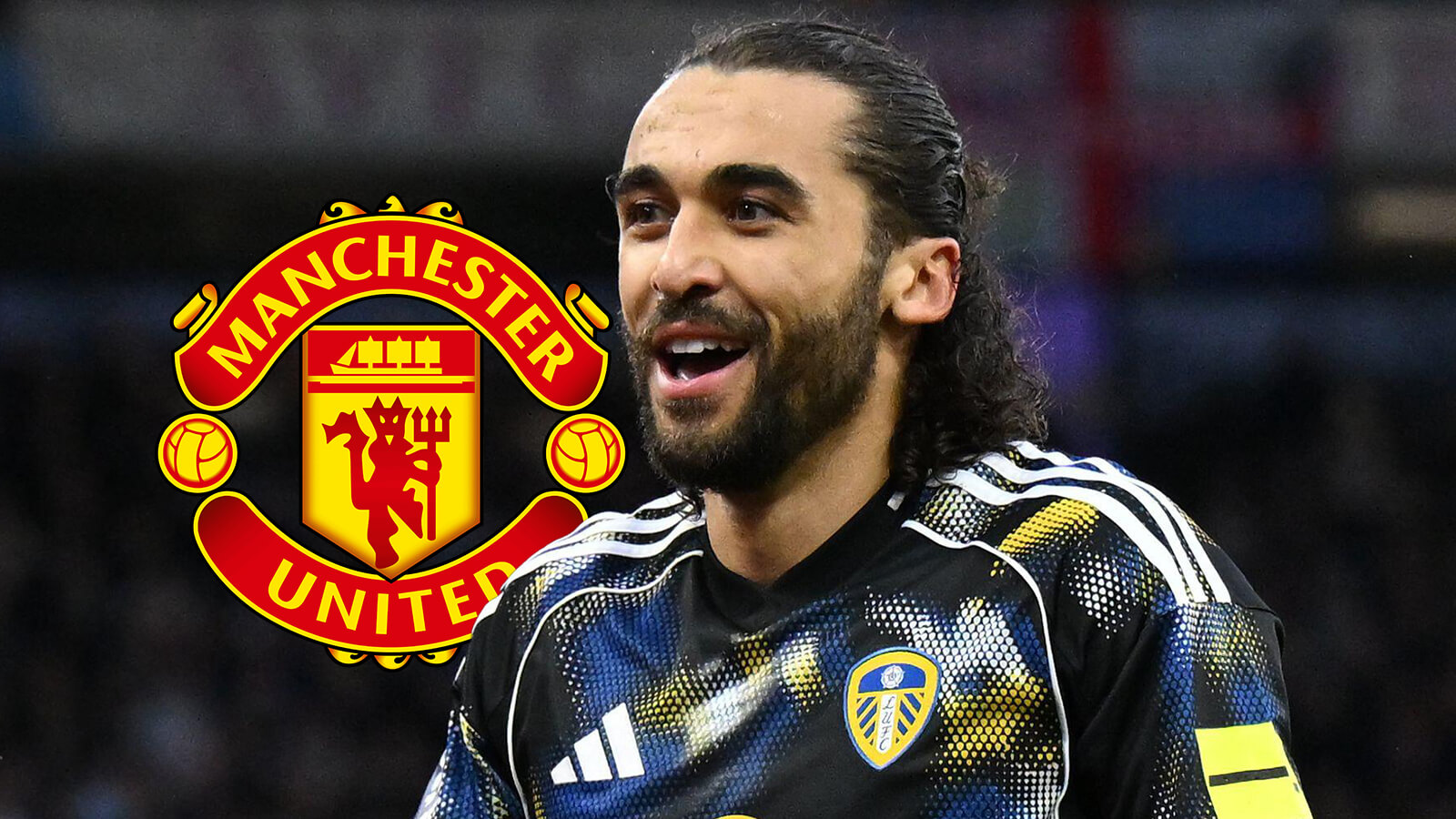
Former United midfielder Michael Owen recently pointed out on Premier League Productions that United missed a trick with Dominic Calvert-Lewin. Calvert-Lewin left Everton on a free transfer in 2025 to join Leeds United, where he has stayed fit and scored consistently. Owen argued that a top club should have taken a low-risk gamble on Calvert-Lewin as a proven secondary striker.
"He has always struggled with injuries, but when he is fit, he is a hard man to handle... Leeds put the money where their mouth was and got him, and he has repaid them."
Calvert-Lewin is playing virtually every match for Leeds, serving as the focal point United currently lack. Yet former scout Mick Brown confirmed to Football365 that United have zero interest in revisiting Calvert-Lewin. Brown stated:
"I'm told there's nothing in the links with Calvert-Lewin and Man United."
Brown explained that United will look elsewhere for long-term depth to compete with Sesko. That decision leaves Carrick walking a high wire until Sesko returns, relying on tactical adaptations rather than target-man muscle.
Systemic Fixes vs Winter Miracles
Top-level management requires immediate tactical flexibility when primary game plans stall on the pitch. Alonso must recognize that forcing a makeshift squad into a rigid three-back shape only compounds midfield fatigue. Reintegrating wingers like Gittens and Estevao in a natural four-back system would instantly provide much-needed wide width.
De Zerbi faces an equally pressing demand to alter Tottenham's possession tempo before the bottom four turns into a permanent home. If opponents refuse to step up to baiting sequences, Spurs must introduce direct vertical runs into channels rather than circulating static passes. Relying on mid-season transfer windows to solve structural tactical inertia is a gamble that rarely pays off.
The January Illusion and In-Game Adaptability
The modern Premier League media cycle loves to frame early-season tactical flaws as simple transfer market omissions. Fixation on January targets like Matanovic or Camara allows managers to buy time with supporters. It creates a convenient narrative that success is merely one window away.
Tactics are tested on the pitch every Saturday, not in recruitment meetings. Alonso cannot afford to leave dynamic attackers like Gittens and Estevao freezing on the bench while his back-three shape gets outmaneuvered by Brentford. De Zerbi cannot allow Tottenham’s build-up play to turn into slow, sideways possession while his team sits 20th.
Carrick must maximize Cunha’s versatility without stranding United’s attack whenever Sesko is unavailable. Elite coaching is not about waiting for the perfect roster. It is about adjusting your shape to maximize the fit players standing in the tunnel today.
Read Next
- Eric Cantona just torched Sir Jim Ratcliffe and United fans are losing it
- Arsenal will get Julian Alvarez in January and Barcelona are handing it to them
- Ruben Amorim got paid to fail at Man United and AC Milan saved the day
- Benjamin Sesko scan headlines growing Manchester United injury crisis
- ⚽ Bundesliga 2025-26 — Title Race Hub
Premier League: The Official History by Anthony Dyer
The ultimate deep dive into the world's most popular league.
Frequently Asked Questions
What are Chelsea and Tottenham's Premier League table positions?
What formation does Xabi Alonso prefer at Chelsea?
Why did Lamine Camara's transfer to Chelsea fall through?
How has Jamie Gittens performed since joining Chelsea?
Who is managing Manchester United during the 2026/27 season?
More Coverage
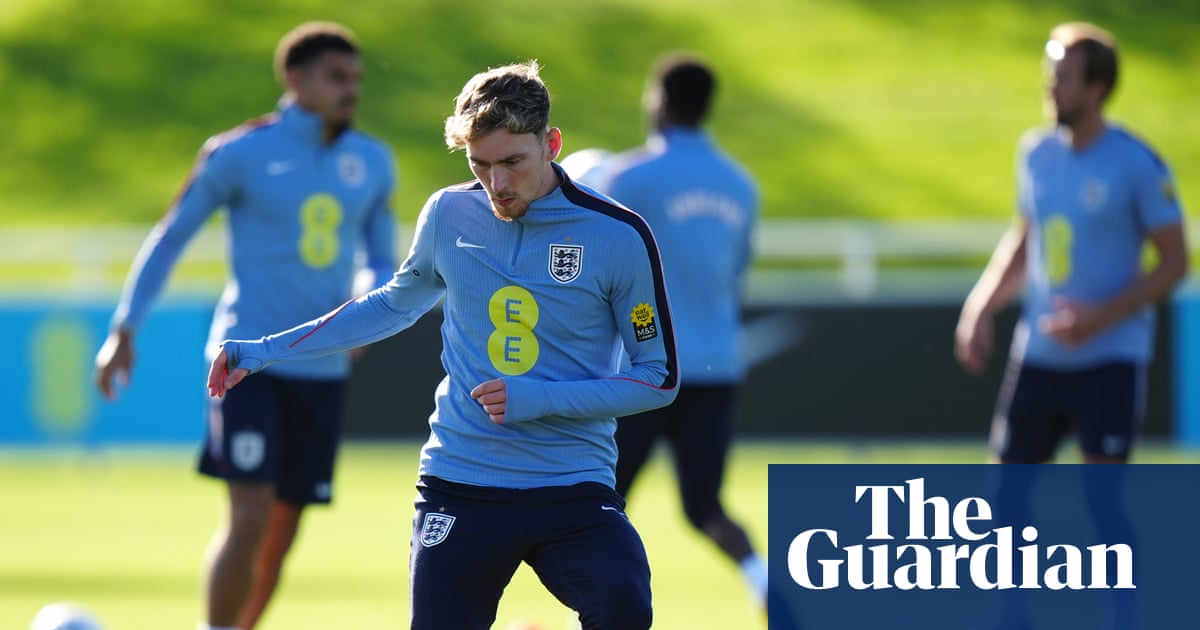
James Garner's crazy England callback exposes Thomas Tuchel's midfield mess
an hour ago
Premier League's £1.8B EFL peace deal is pure survival panic
an hour ago
Top 10: Top Moments
2 hours ago
Antoine Semenyo skipping Ghana duty is modern football in a nutshell
5 hours ago
Disney treated the Women's Champions League like CBBC and paid the price
5 hours ago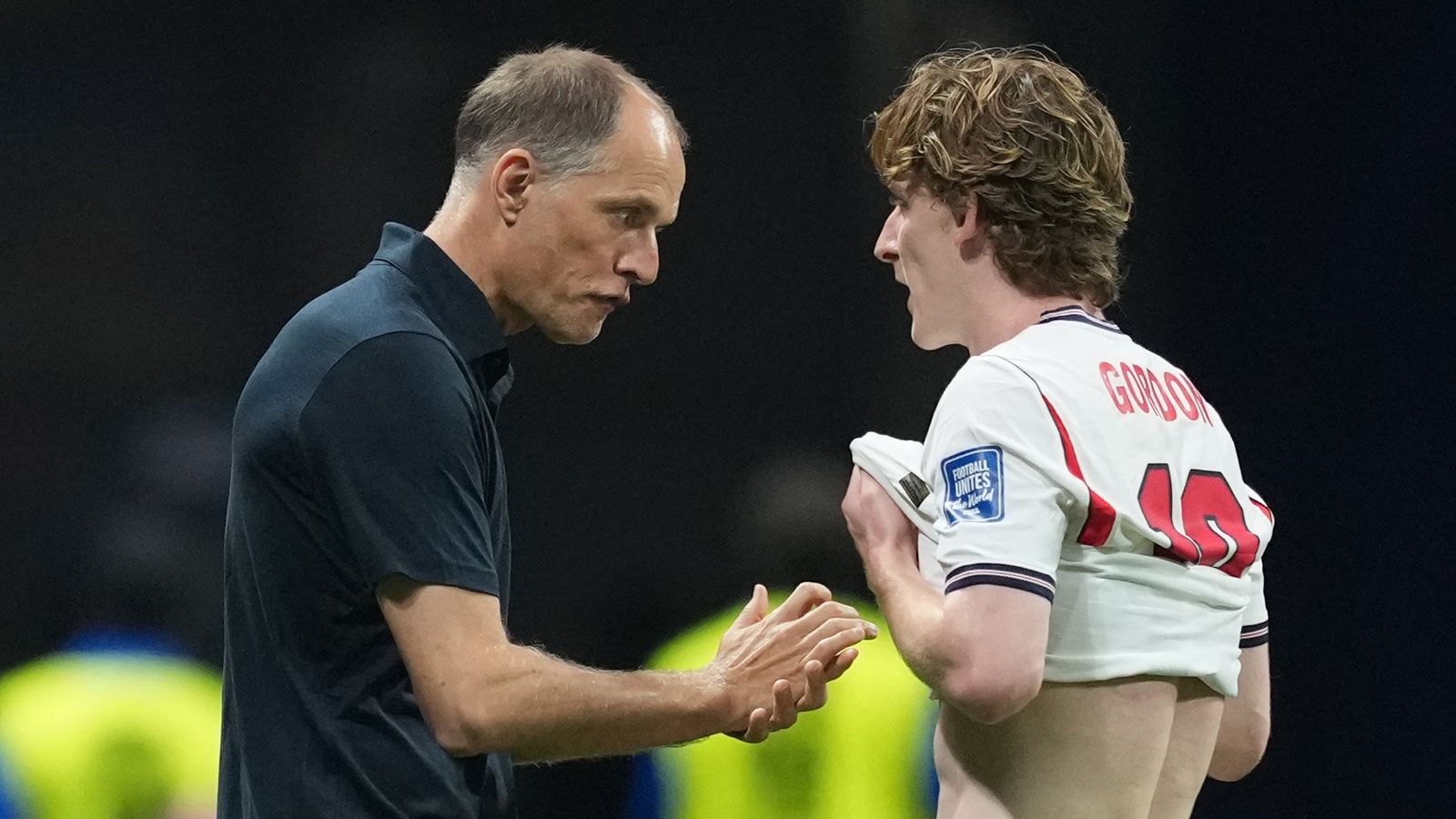
Anthony Gordon breaks down Barcelona reality as transfer talk builds
13 hours agoMore Analysis
Disney treated the Women's Champions League like CBBC and paid the price
5 hours ago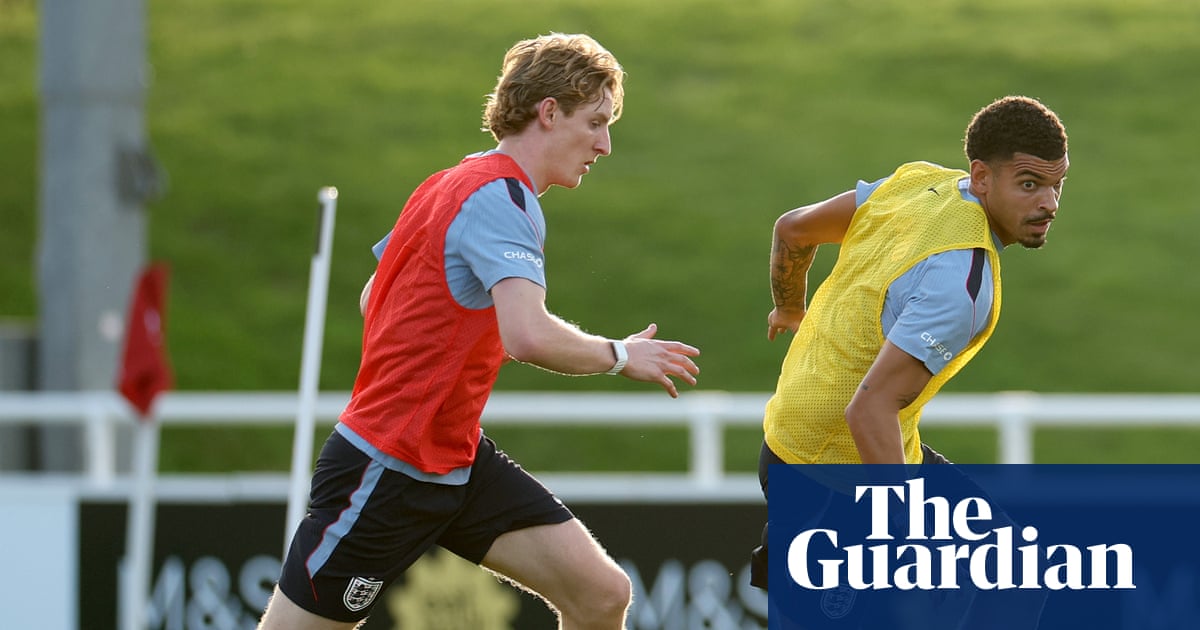
Anthony Gordon is telling the truth about England's fatal flaw
13 hours ago
Eric Cantona just torched Sir Jim Ratcliffe and United fans are losing it
14 hours ago
Arsenal will get Julian Alvarez in January and Barcelona are handing it to them
17 hours ago
Ruben Amorim got paid to fail at Man United and AC Milan saved the day
1 day, 2 hours ago