The Fallout: Infantino’s Failed Equity Play
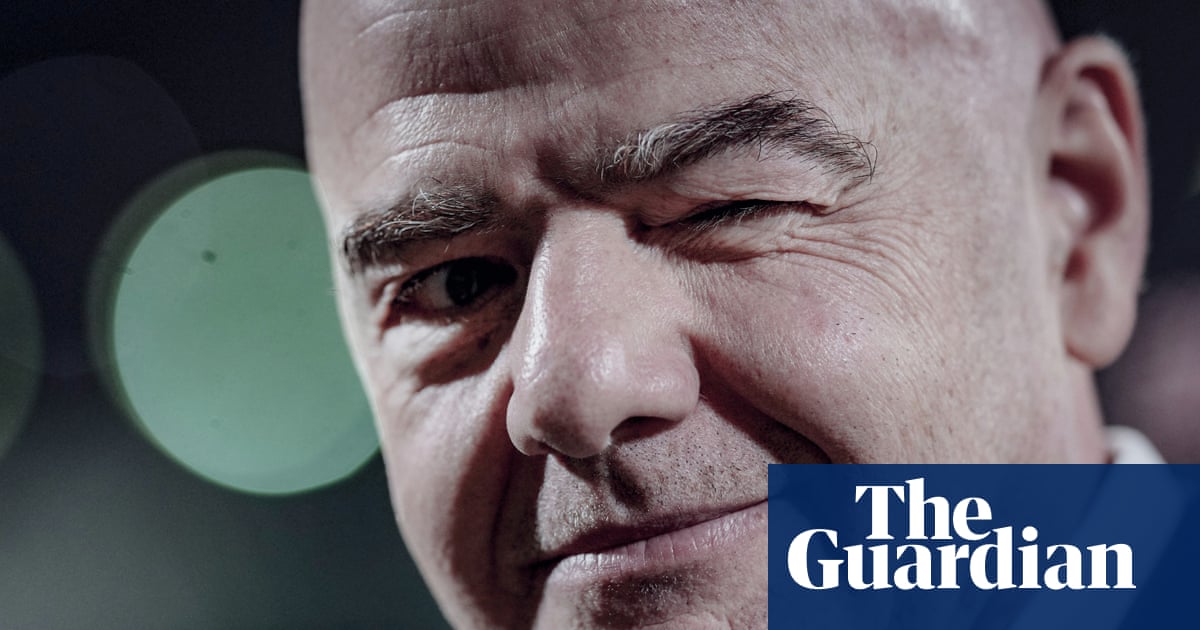
Gianni Infantino has officially abandoned his polarizing attempt to monetize the World Cup. After proposals surfaced to sell a 20% stake in a new FIFA arm—valuing the entity at $20 billion—the project effectively imploded under immense pressure. The pivot arrives as a direct result of losing backing from core member associations.
By attempting to raise $4.2 billion through private equity, the FIFA president invited a firestorm of regulatory and political scrutiny. The backlash was swift. Once the Asian Football Confederation (AFC) joined UEFA and CONCACAF in vocal opposition, the path to a majority vote was permanently closed. The plan is now dead, leaving Infantino’s authority at its lowest point in a decade of leadership.
The European Front: UEFA’s Public Scathing
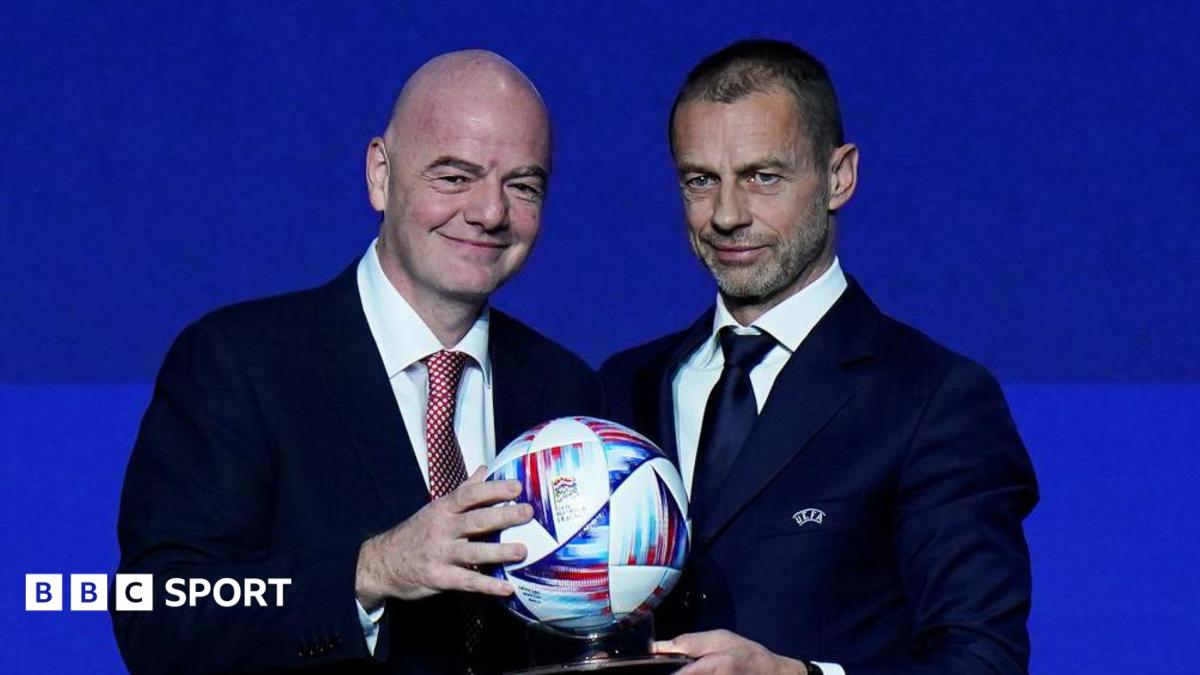
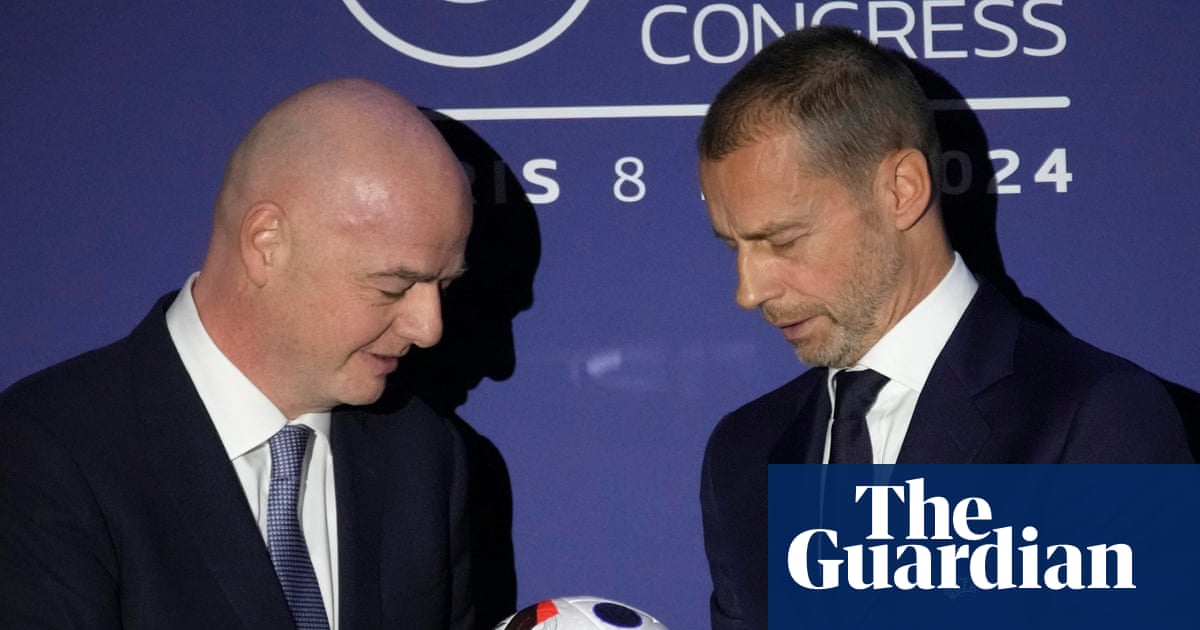
The situation escalated quickly this morning as UEFA issued a blistering statement regarding its loss of confidence in the current regime. This is not a mere tactical disagreement; it is a fundamental breakdown in governance. European football officials have accused the FIFA hierarchy of failing to deliver on the promises made during Infantino's initial election ten years ago.
As The Guardian reported, UEFA’s stance is that they can no longer tolerate the culture of "secret schemes" that defined this aborted sale. The friction here is significant because it challenges the operational stability of the game's global governing body. Infantino’s attempt to bypass transparency has created a rift that may lead to structural changes at the executive level.
Political Complications and Trump’s Dismissal
The scheme wasn't just a footballing disaster; it had peripheral political entanglements that ultimately provided the final embarrassment. When pressed on the matter, Donald Trump appeared to distance himself entirely from the proposal. The curt response of "Who?" when asked about the plot serves as a grim indicator of how isolated the FIFA president has become on the world stage.
This lack of political cover leaves the administration vulnerable. While Infantino has stated his intention to fight to keep his position, the loss of support from major confederations suggests his leverage is gone. The project has not just been scrapped; it has acted as a catalyst for a deeper investigation into his long-term viability as the face of global football.
The Future of FIFA’s Governance
There is a growing consensus that the era of unilateral decision-making at FIFA is facing a hard ceiling. By treating major assets like the World Cup as commodities for private sale, the administration alienated its most vital partners. The irony of the situation remains that the very attempt to secure financial gain has cost the leadership its greatest asset: institutional legitimacy.
Moving forward, the focus shifts to internal reform. With the £3.1 billion sale off the table, FIFA must now contend with a deficit of trust. The question is whether the current hierarchy can navigate the upcoming youth and senior qualifiers without further destabilizing the organization. The women’s game, in particular, was ignored in the proposal, fueling criticism that the leadership is disconnected from the realities of the modern game.
Probability and Impact Assessment
The probability of this specific sell-off proceeding is 0%. The plan is officially shelved, and the opposition coalition is too broad to allow for any resurrection of the deal. In terms of impact, the fallout is already evident: a weakened FIFA president and a energized bloc of European and Asian nations demanding total transparency.
If Infantino survives the current storm, he will do so as a diminished figurehead. The impact on the sport will likely be a return to traditional governance models, albeit with heightened scrutiny on every financial decision made by the Swiss-based organization. Whether this leads to a new election cycle or a quiet retreat from the limelight, the project itself has become the defining failure of his tenure.
Read Next