The cracks in the FIFA boardroom
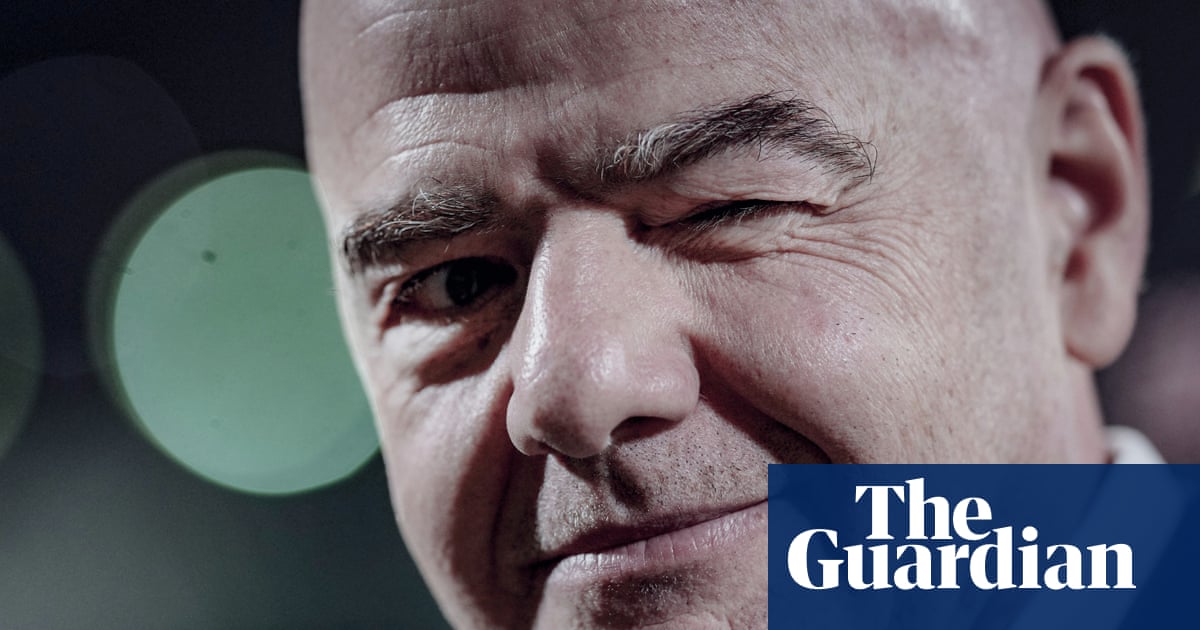
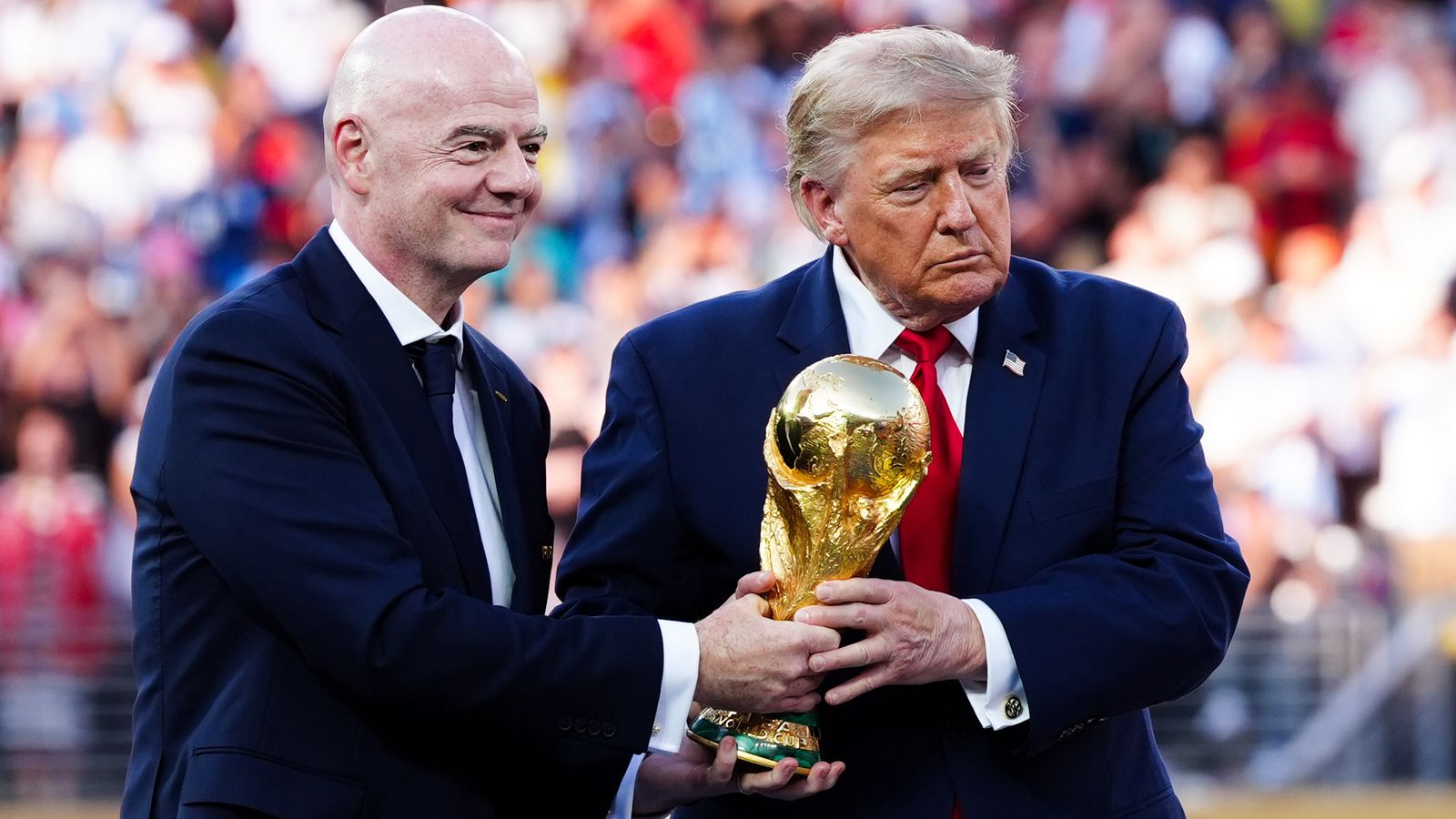
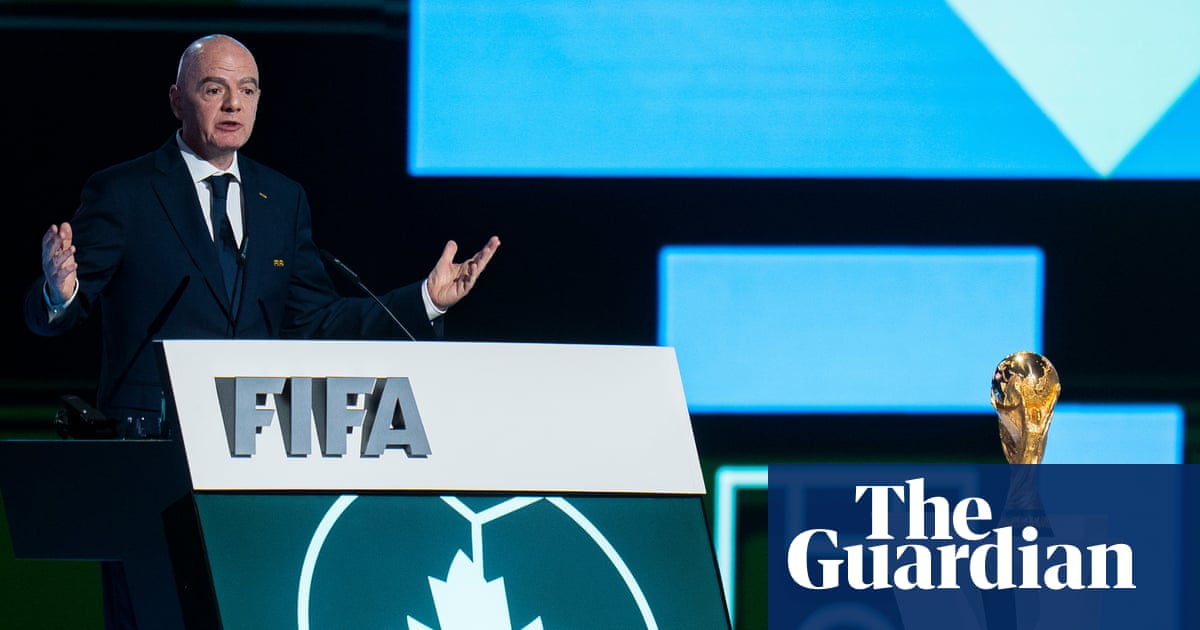
Gianni Infantino spent years constructing a power base built on broad promises of funding and expanded tournament access. That architecture is buckling. The botched attempt to sell off major World Cup broadcast and commercial rights has turned a once-reliable coalition of confederations into a fractured landscape of skepticism.
The optics of the proposed deal are arguably the most damaging aspect of his tenure. When you promise decentralization and then attempt to auction off the crown jewels to private equity, the member associations notice. It is a fundamental misreading of the room that has left the Swiss-Italian administrator isolated in a way we have not seen since the 2015 corruption scandals.
Mapping the dissent
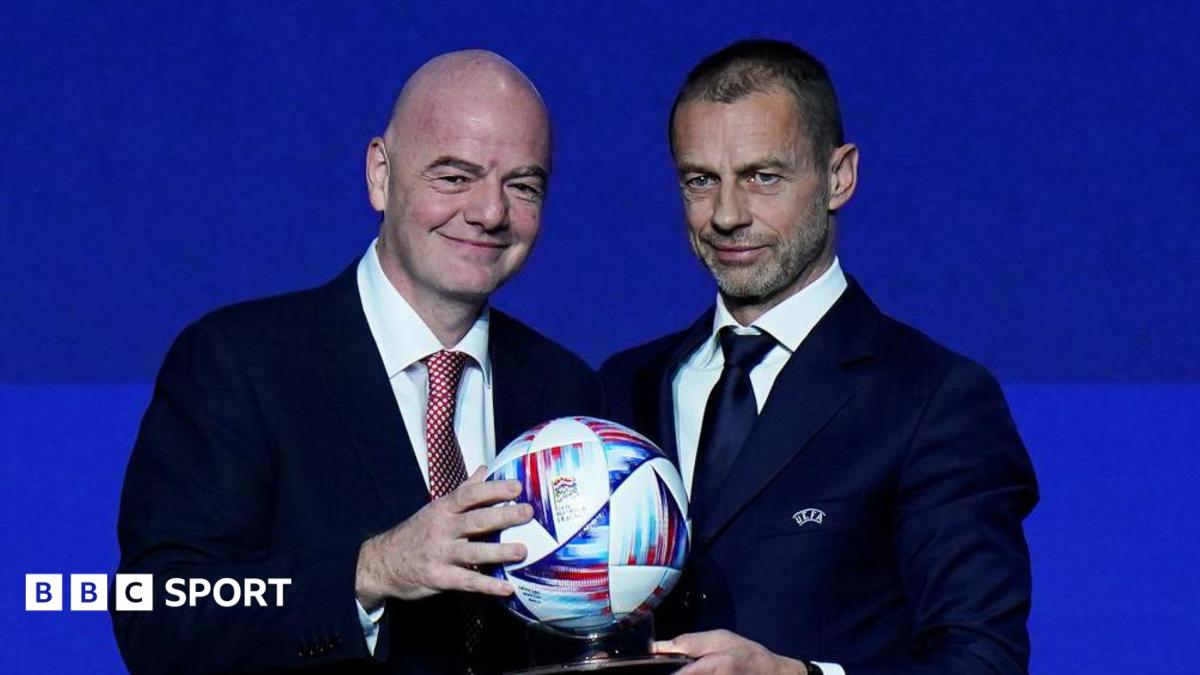
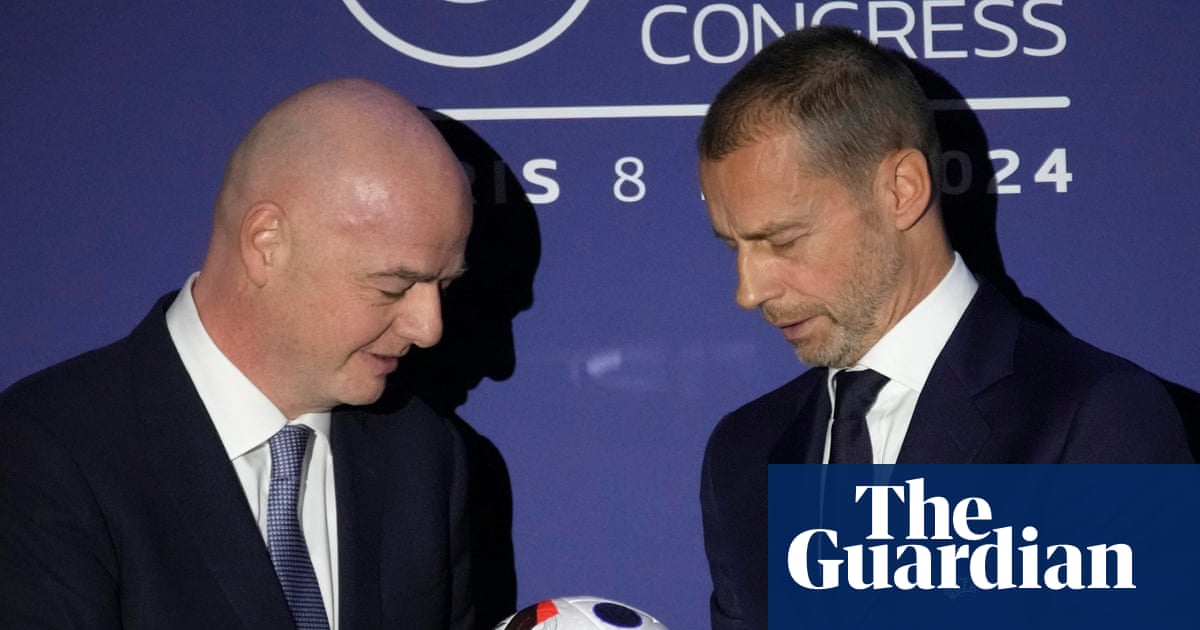
UEFA has long been the primary source of internal friction. Their recent pushback against the sell-off plan is not merely about fiscal policy; it is a direct challenge to Infantino’s centralized control. As reported by The Guardian today, the cooling relationship with European power brokers is a signal that the status quo is dead.
CONMEBOL remains a wild card. Historically, they have leveraged their block of votes to extract specific infrastructure grants, but their patience for unilateral executive decisions is wearing thin. If South America shifts its weight, the math for a successful vote count becomes significantly harder for Zurich.
The African and Asian gamble
CAF and the AFC have traditionally been the bedrock of Infantino’s support. These confederations rely heavily on FIFA development funds to maintain their local domestic structures. However, the sell-off controversy has introduced a new variable: the fear that these funds will dry up or become contingent on deals that hurt domestic visibility.
He has spent $10 billion in various forms of development incentives since taking office to secure this loyalty. If the sell-off fails to yield the returns he promised, the value of that investment disappears overnight. This is no longer just about management style; it is about the direct financial viability of smaller nations who need the promised revenue to survive.
The price of hubris
Infantino’s fatal error was assuming he could bypass the traditional consultation process for a sale of this magnitude. By treating the rights as a corporate asset rather than a sport governance commodity, he has alienated the very people who need to cast the ballots to keep him in his chair.
We are watching a high-stakes game of chicken. He needs to secure enough support to survive the next congress without triggering a formal vote of no confidence. It is a narrow path. Any deviation from the current narrative will likely result in a 50% loss of his reliable voting bloc.
The irony is that he likely intended this sale to be his lasting mark on the sport. Instead, it has become the anchor dragging him down. My read on the situation? Infantino survives the immediate fallout but loses the ability to dictate terms moving forward. He will be a lame-duck president by the time the next cycle kicks off.