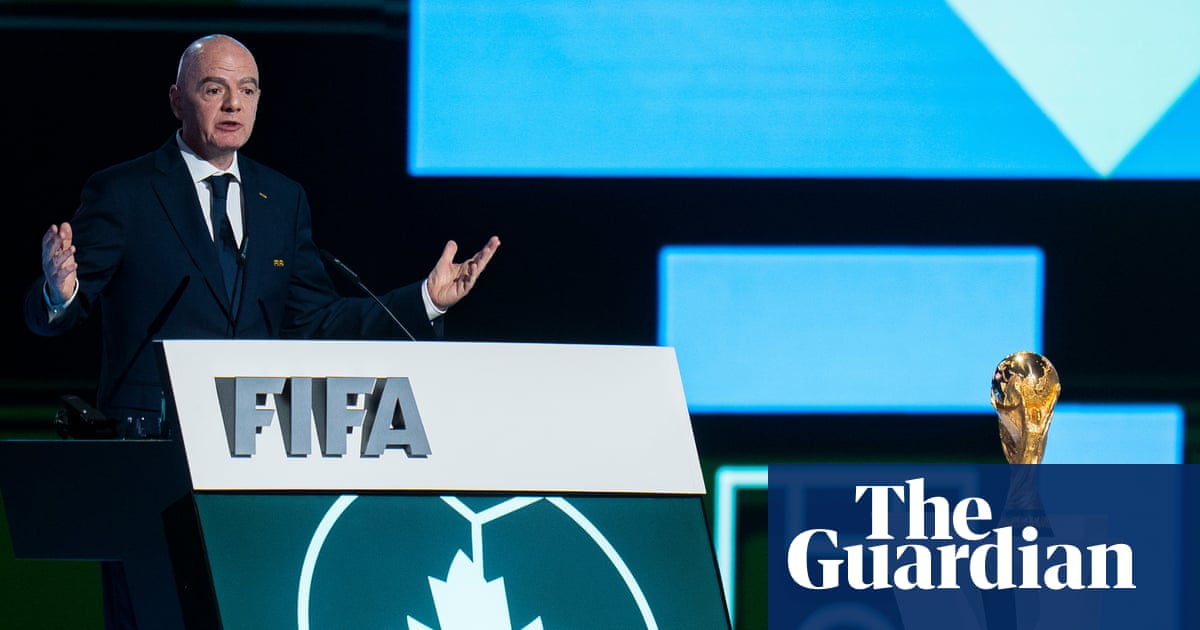
The power struggle at FIFA’s summit
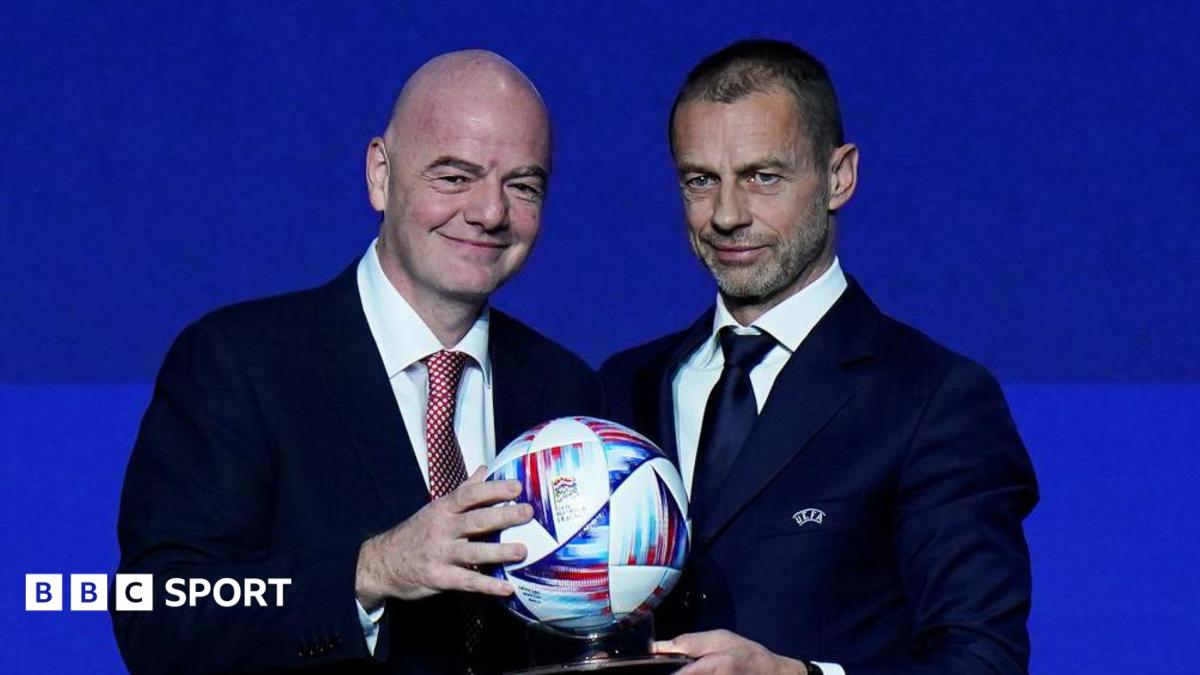
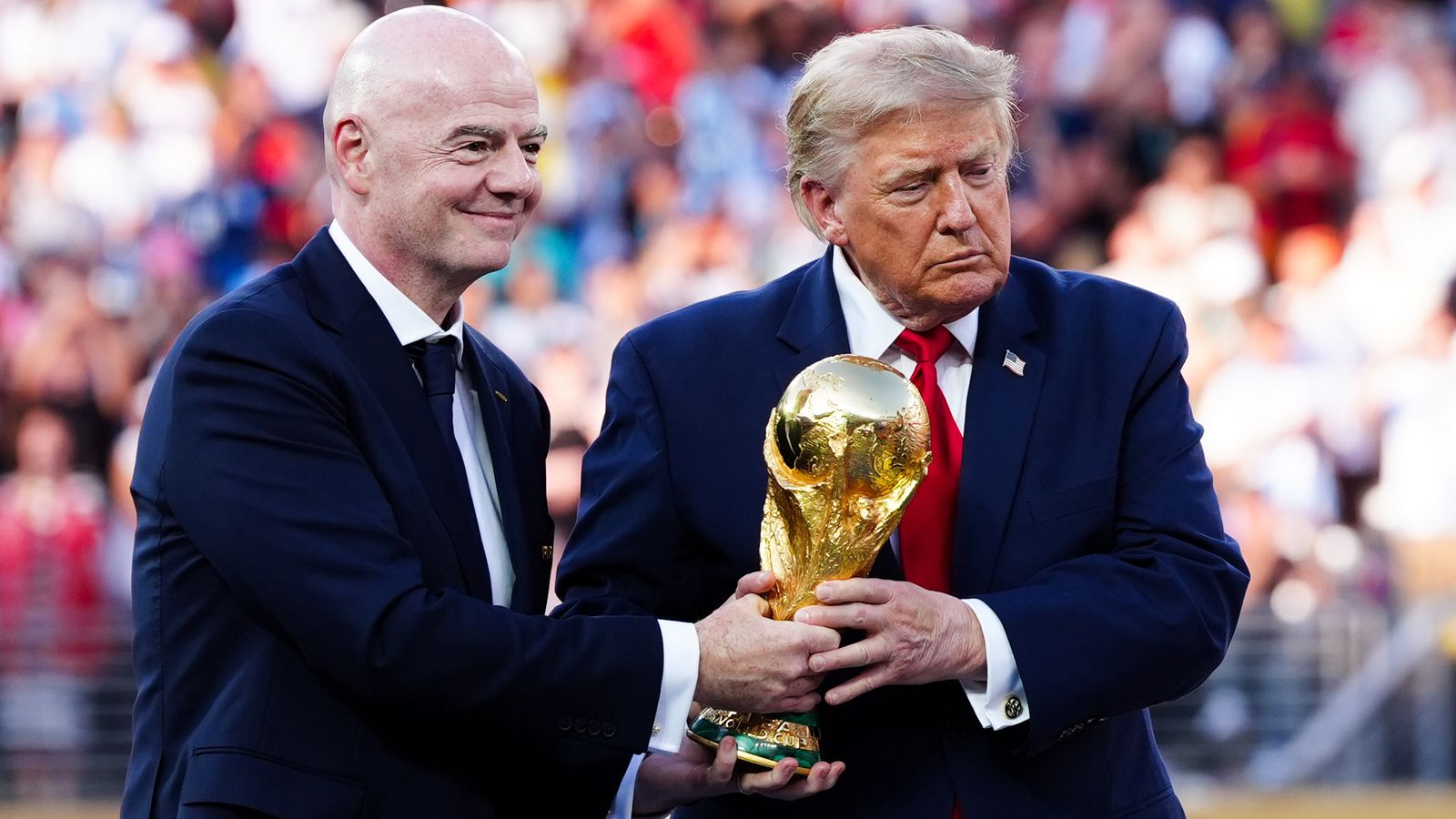
Gianni Infantino is currently walking a razor's edge. The FIFA president, once untouchable due to his iron grip on the global confederations, finds himself fighting for political survival following the catastrophic rollout of the World Cup media rights sell-off. As The Guardian reported, the internal pushback against his centralization of commercial power has reached a breaking point.
For years, Infantino maintained his status through promises of massive investment and tournament expansion. That model is now fracturing. When the sell-off plan leaked, the lack of transparency alienated key voting blocs that previously formed the bedrock of his presidency. The question is no longer whether he is vulnerable, but which confederations are preparing to jump ship.
The European standoff
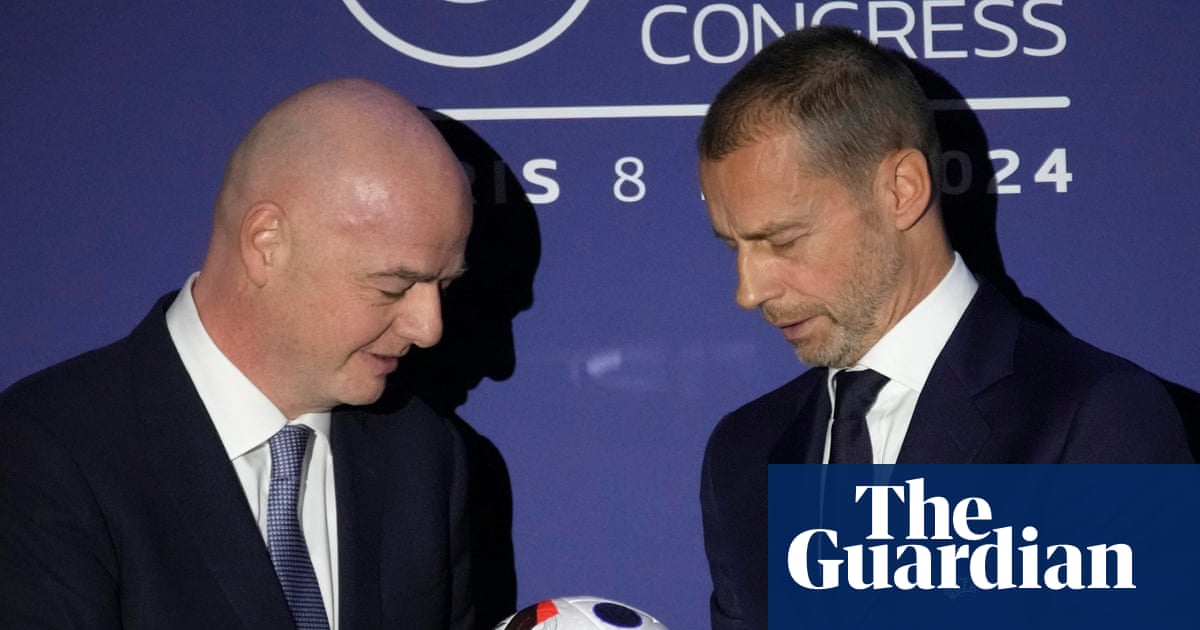
UEFA has historically been the primary obstacle to Infantino’s whims. Aleksander Ceferin’s camp has signaled deep dissatisfaction with the unilateral nature of the media rights proposals. European nations argue that the current path bypasses democratic oversight, concentrating financial control directly under the Zurich hierarchy.
This isn't just about money; it’s about control. If UEFA successfully mobilizes opposition, they could strip Infantino of the unified support he needs to survive the next congress. The European bloc holds enough influence to trigger a vote of no confidence, or at minimum, paralyze the executive committee’s agenda for the remainder of the year.
CONMEBOL and AFC shifts
The South American landscape is equally tense. Historically, CONMEBOL operated as a loyal partner, lured by the promise of more slots and funding. Recent signals suggest this loyalty is conditional at best. The federation is reportedly assessing whether the World Cup rights strategy provides any tangible benefit to their domestic leagues or if it merely drains value from the global pool.
Meanwhile, the Asian Football Confederation is a wild card. While many members benefited from the increased FIFA funding provided during the last election cycle, the scale of this current dispute has them reconsidering. Several delegates have expressed frustration that the media rights strategy was never vetted through the proper channels before being pitched to private stakeholders.
The financial reality of the fallout
The core of this crisis lies in the $5 billion figure whispered in industry circles regarding the projected valuation of these rights. By attempting to force a sell-off before setting up a clear distribution model, Infantino has invited a firestorm of criticism. Critics argue that the rush to secure liquidity ignores the long-term health of the footballing market.
One major flaw in the plan is the lack of consideration for smaller confederations. While the big powers debate the rights, smaller nations are left wondering if they will see any of the proceeds. This imbalance creates a dangerous friction point that could lead to a fragmented FIFA if the situation is not addressed before the next scheduled vote.
What this means for the future
We are watching a shift in the political gears of global football. Infantino built his brand on the 48-team World Cup and financial growth, but he may have overplayed his hand. If the confederations unite against the sell-off, he loses his primary lever of power.
This isn't just a administrative disagreement. It is a fundamental questioning of how much authority the president should hold over commercial assets. If the media rights deal is shelved or dismantled, Infantino’s mandate will be effectively dead, regardless of his title. He is currently playing a game where the costs of losing are absolute.
The skepticism of the membership
There is also a palpable sense of exhaustion among the member nations. The constant expansion of the tournament calendar, combined with the opaque financial maneuvering, has left many tired of the status quo. If a challenger emerges from the shadows of the executive committee, they will likely find a receptive audience in the corridors of FIFA headquarters.
For now, the wait-and-see approach dominates. No one wants to be the first to publicly call for a change in leadership, but the private conversations are turning hostile. The next few weeks will define whether Infantino can stabilize his ship or if the storm he created finally sinks his career.
His reliance on the support of smaller nations is a strategy that has served him well for years, but that support requires proof of delivery. If the media rights sell-off fails to yield the promised windfalls, the political cost will be immediate. The math for survival is getting harder by the day, and the lack of consensus within the inner circle is a glaring indictment of his current strategy.