The politics behind the pitch
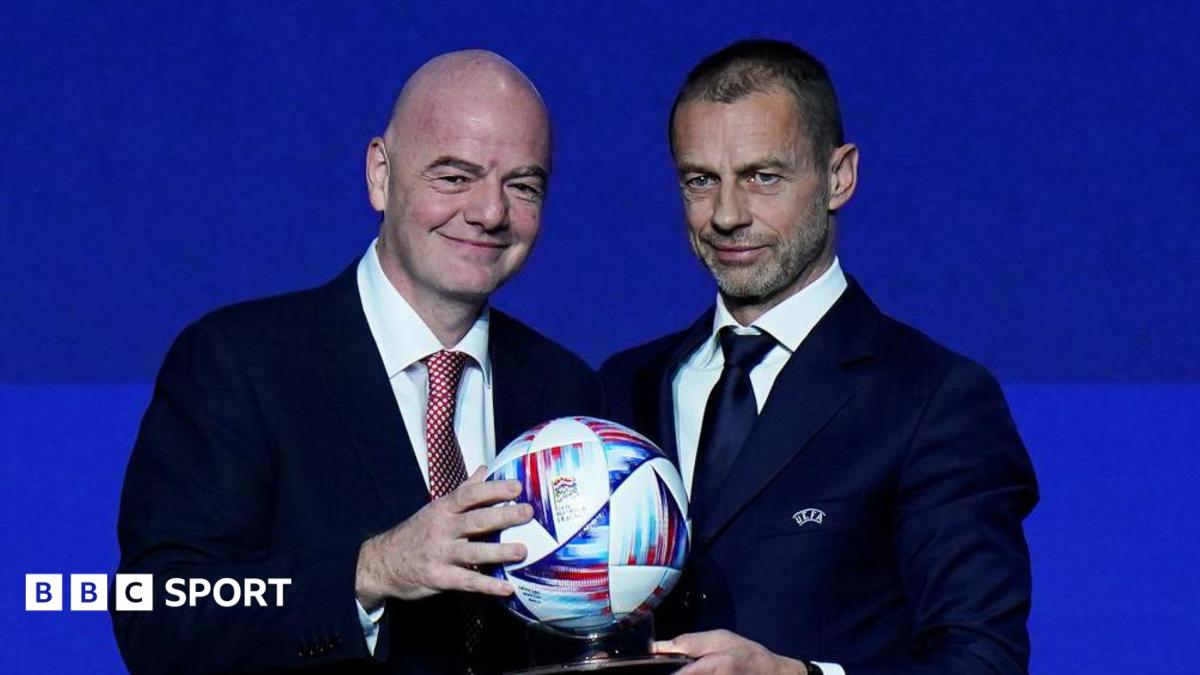
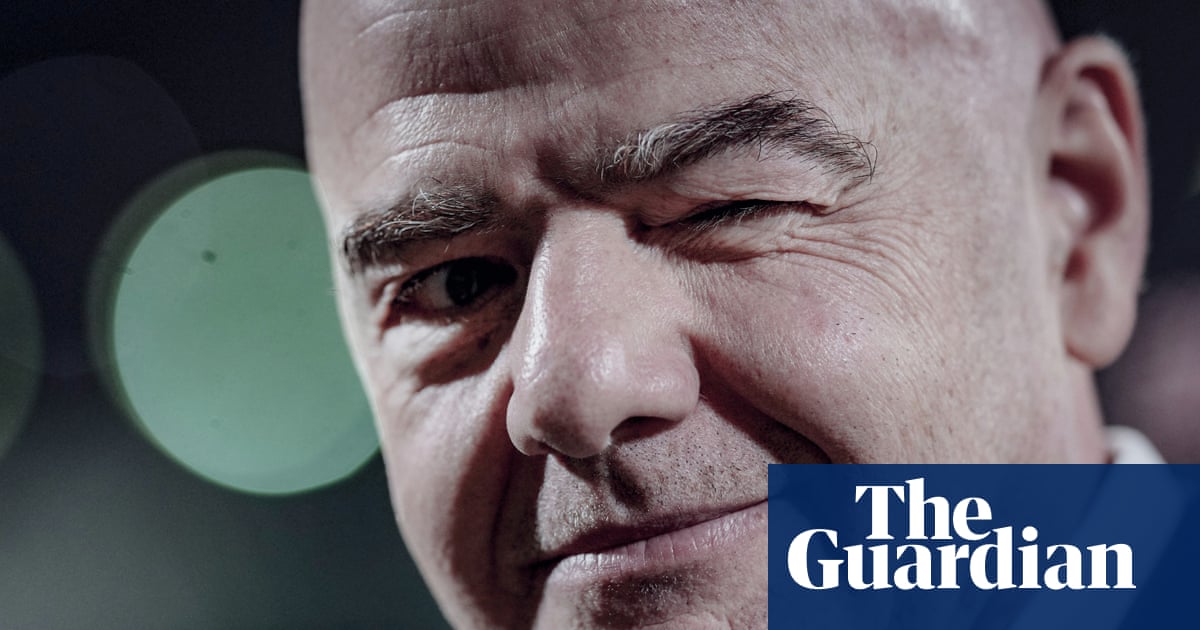
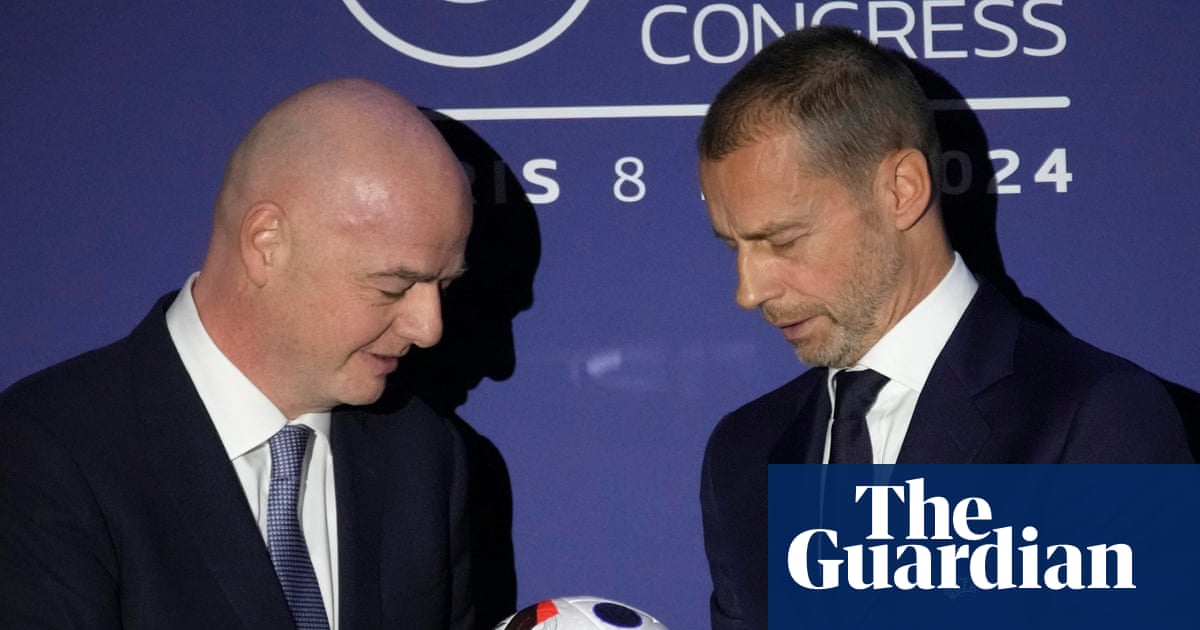
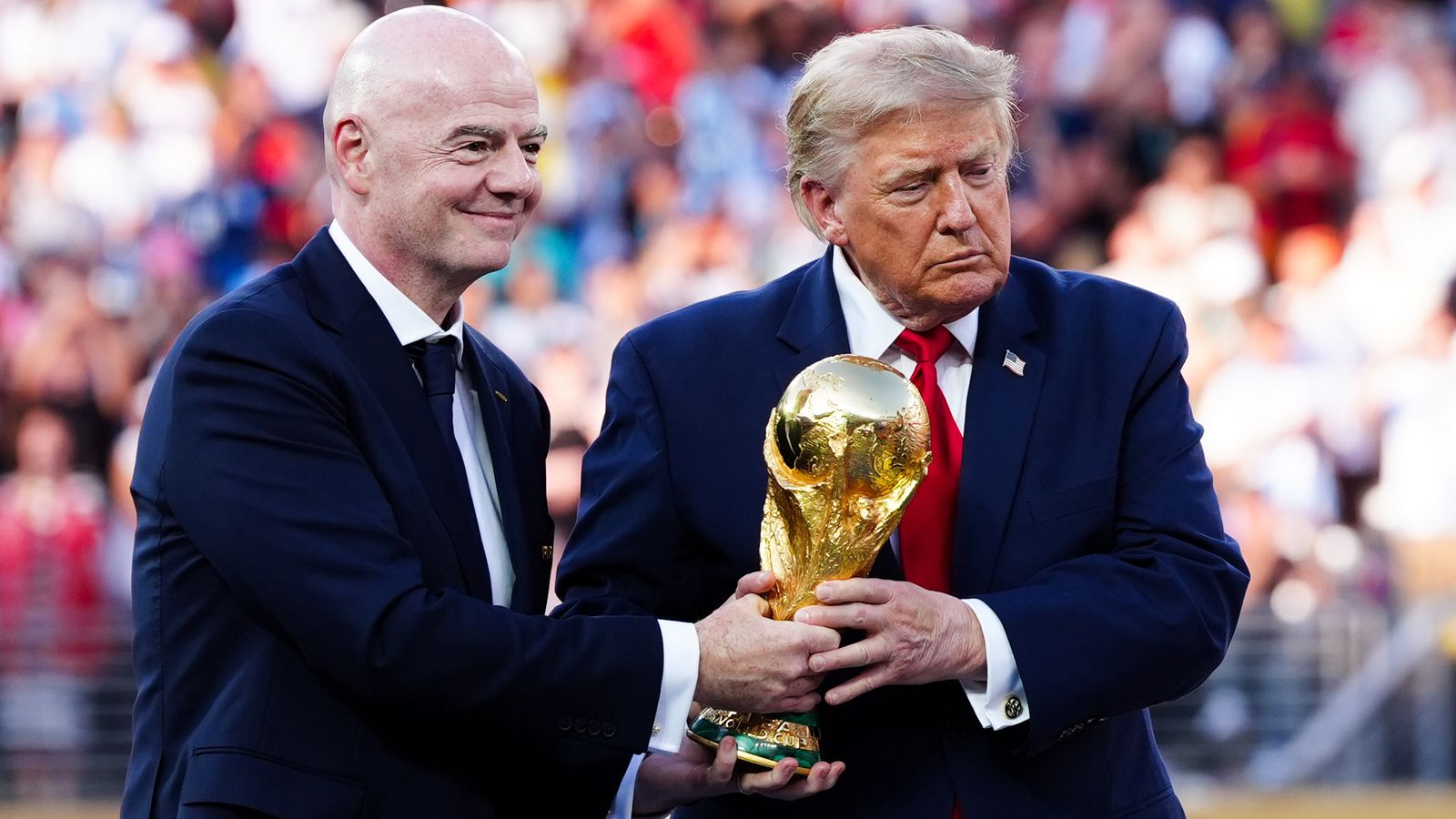
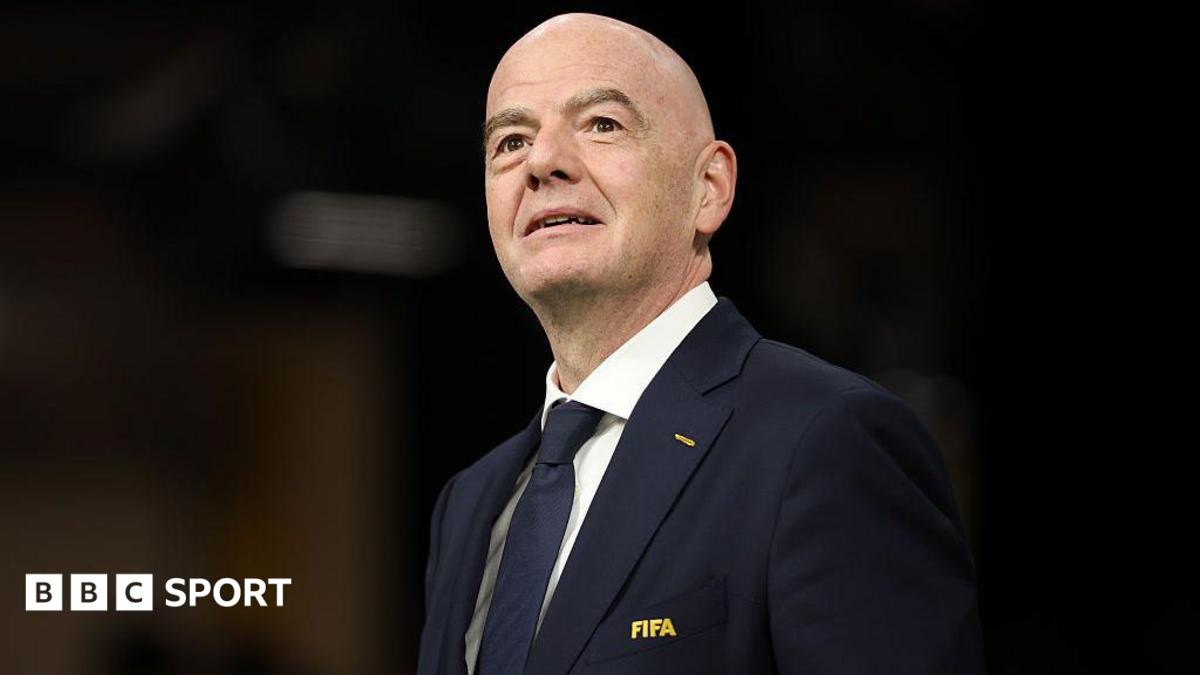
Gianni Infantino spent the last week in a defensive crouch that felt uncomfortably familiar. After Mirror Football reported on his botched attempt to lure private equity into the World Cup, the FIFA president is finding that even the most iron-clad executive support can fray under the weight of financial scandal.
Infantino managed to secure a vote of confidence from senior executives earlier this week, but the fallout from his private investment schemes remains a persistent drag on the organization. He offered an apology for the errors in his process, though the rhetoric sounded more like a tactical retreat than a genuine change in direction. By keeping his position, he maintains control, yet his authority within the boardroom is visibly thinner.
Structural rot at the top
The core issue is not just the investment plan itself, but the lack of transparency in how these deals were structured. Executives were reportedly blindsided by the scale of the private equity outreach, which bypassed standard oversight committees. As reported by the BBC, the apology was framed as a necessity to maintain unity, but those watching from the sidelines see a clear pattern of unilateral decision-making.
This is a recurring theme with Infantino. He prefers to operate in the margins where his power is absolute, avoiding the scrutiny of the broader FIFA council. When the strategy backfires, he pivots to the language of apology while simultaneously reinforcing his internal alliances. It is a predictable cycle of damage control that does little to address the systemic governance failures present at the highest levels of football administration.
The cost of the crisis
While the focus remains on boardroom politics, the danger for football is the dilution of its independent regulatory power. When private equity enters the discussion, the incentives shift from the development of the game toward the maximization of short-term dividends. If these external interests gain a foothold, the world governing body risks losing its ability to act as a neutral arbiter. The recent instability suggests that the current leadership is willing to trade institutional integrity for rapid capital inflows.
I sincerely apologise for the errors made in these plans. - Gianni Infantino
The apology provides a temporary ceiling for the criticism, but it does not fix the underlying structural issues that led to this impasse. The executive board remains fractured, with several members clearly uncomfortable with the precedent set by the private equity talks. This creates a volatile environment where one more public stumble could force a genuine leadership challenge. Infantino may have survived the week, but he has effectively put his presidency on a short, unreliable leash.
The shadow of the next cycle
Looking toward the 2026 calendar, the pressure on the president will only intensify as major tournament preparations shift into high gear. The demand for clear, accountable leadership is higher than ever, yet we are seeing a doubling down on secretive, high-stakes financial maneuvers. If this pattern continues, the public perception of the organization will shift from mere skepticism to active hostility.
The move to keep Infantino in place was a strategic choice to avoid chaos, yet it may simply delay an inevitable reckoning. The executive committee is now essentially betting that the president can navigate these waters without further scandal. Given his track record, the odds are far from favorable. We are likely looking at a 30 percent chance of a formal leadership challenge surfacing before the next executive cycle truly kicks into motion.
Expect further quiet resignations among the secondary committees as the fallout continues to ripple outward. The institutional trust is broken, and no amount of apology letters will restore it. The game proceeds, but the administration is operating in a state of sustained, self-inflicted crisis that defines the current era of football governance.