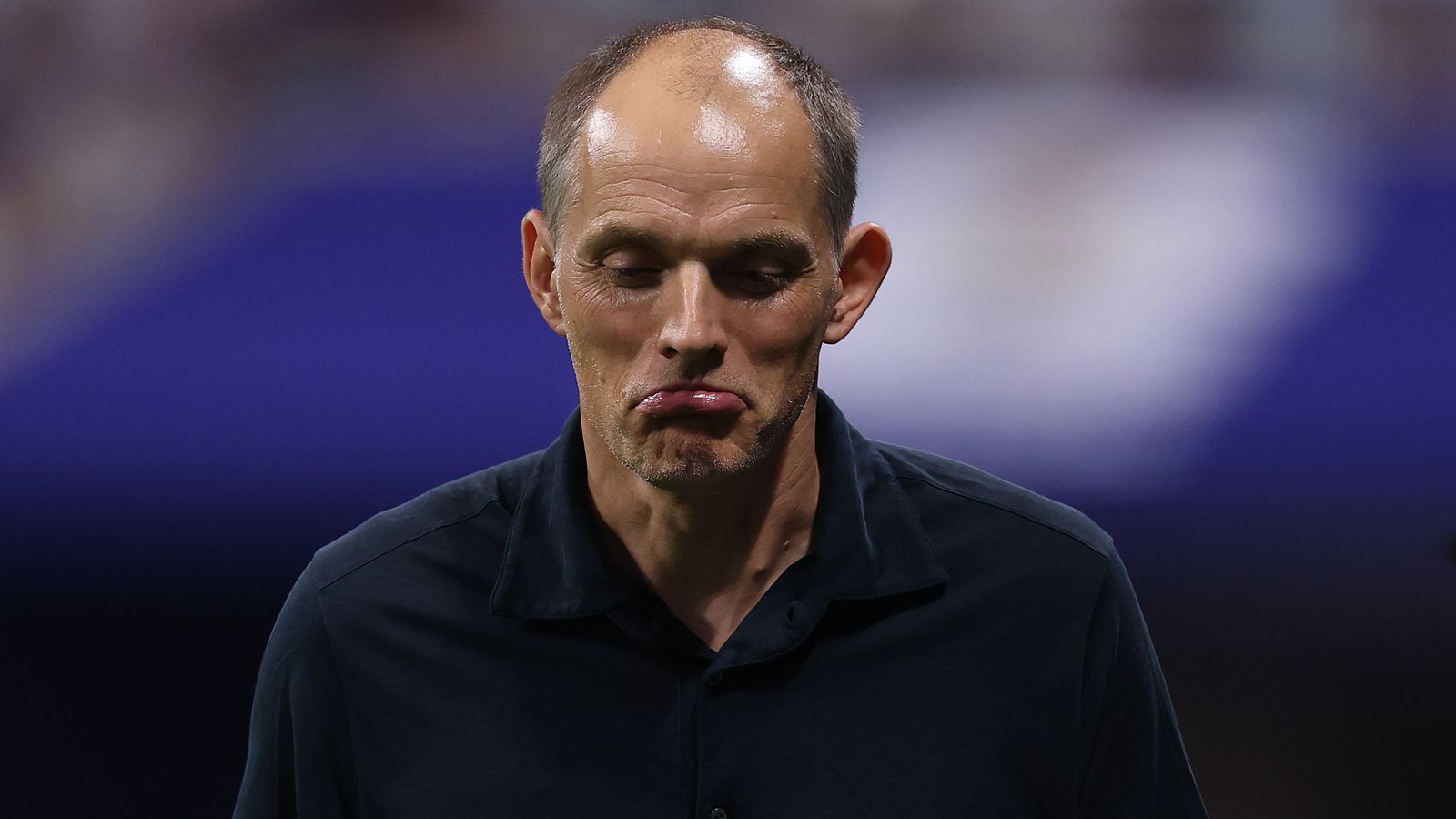
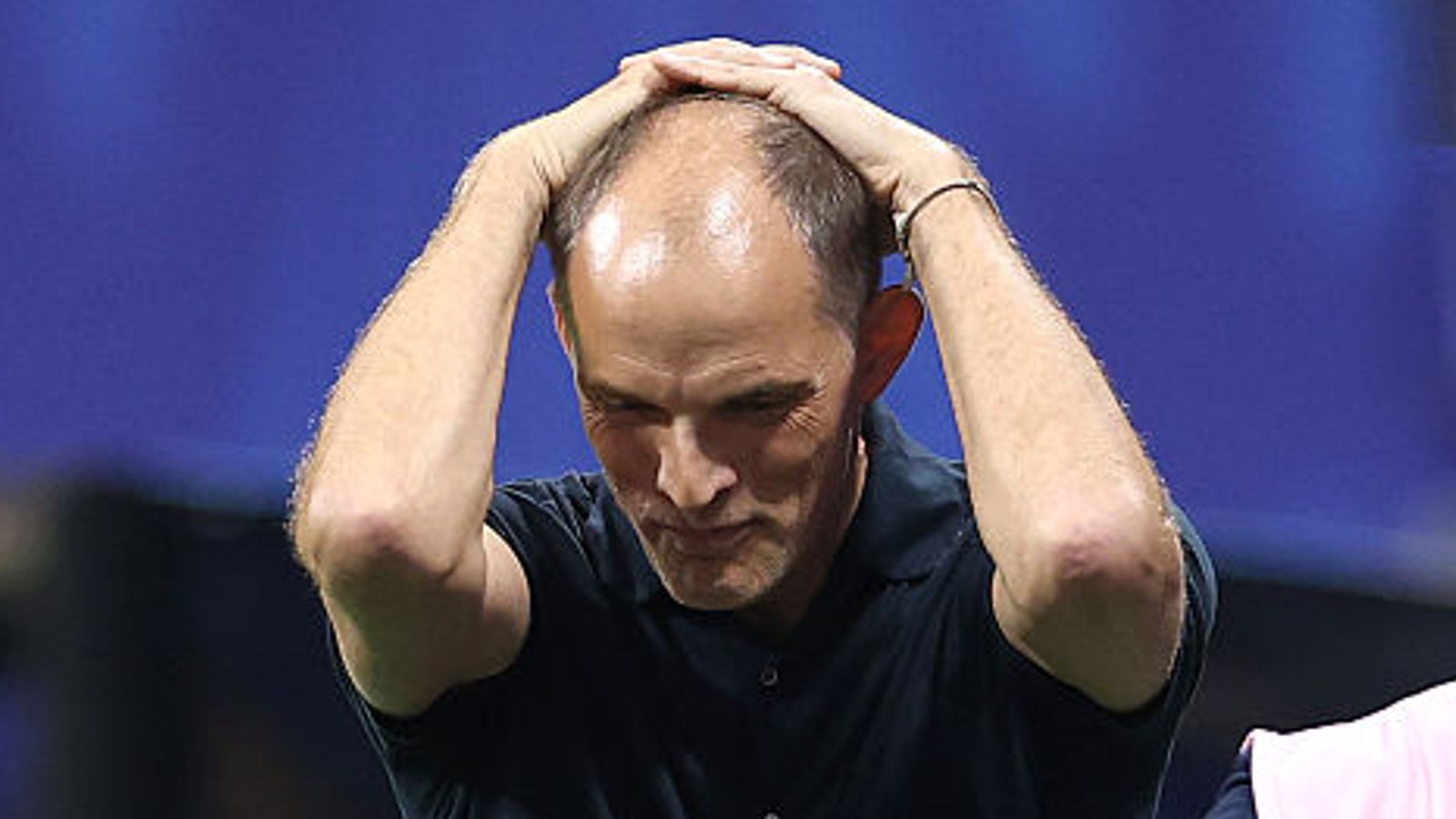
The curious case of the man left behind
Seeing Harry Maguire wandering around New York City placing stickers might be the peak of 2026 World Cup irony. While Thomas Tuchel has ruthlessly purged the squad of legacy personnel, the former United defender is currently engaging with the tournament via a sticker book rather than a warm-up drill.
It is a stark visual shift. Just twenty-four months ago, Maguire was the central pillar of a retreat-heavy defense. Now, Tuchel has demanded a high-line press that relies entirely on recovery pace and lateral agility.
Tuchel's tactical obsession with verticality
The decision to exclude Maguire was not a personal slight but a mathematical inevitability. Tuchel tracks every defensive transition with laser precision, and his data set shows that defenders must now maintain a secondary line of engagement at least 40 yards from their own goal.
Maguire’s traditional strength—dominance in the air—has been rendered statistically irrelevant by this shift toward ground-based transition speed. When you analyze his pass completion trajectory from the 2024 season, the reliance on deep, diagonal balls hindered the quick, one-touch turnover play Tuchel demands.
As reported by Mirror Football, the defender seems at peace with this reality. He has moved on from the pressure of the training pitch to the relative quiet of fan-culture promotion in the States.
The squad lacks his specific aerial coverage
However, there is a legitimate flaw in Tuchel’s ruthless efficiency. By prioritizing pace and high-pressing mobility, the current squad creates a vacuum whenever they face a low-block opponent utilizing set-pieces.
In the opening matches, we have seen opposition strikers find significant space between the center-backs on crosses. In previous cycles, Maguire would have provided a safety net for these situations. Currently, that defensive profile is gone, and the gap in aerial clearance percentage has dropped significantly, sitting at 68% compared to the 82% output reached in previous tournament cycles.
Why the exclusion will come back to haunt the campaign
I predict that this lack of aerial size will be the primary reason for a quarter-final exit. Elite nations will inevitably look at the heat maps of this defense and identify the specific zone—approximately 12 yards from goal—as a soft spot for lofted deliveries.
It is a brutal trade-off by the manager. He has opted for a fast, transitional unit that struggles when forced to defend leads through traditional attrition. By June 28, when the knockout stages hit their stride, the missing physical presence of an old-school interceptor will loom large over the back four.
The team is currently performing well against smaller, possession-heavy sides. But wait until they play a side that ignores the high press and launches long balls. That will be the moment the absence of the man now sticking trading books in NYC feels like a major tactical error.
Tuchel is betting on 75% possession to nullify those threats. If the opponent hits 25%, that is where the narrative shifts. Expect a frustrating exit that exposes this rigid adherence to a single tactical philosophy.