Measuring positional dominance through the numbers
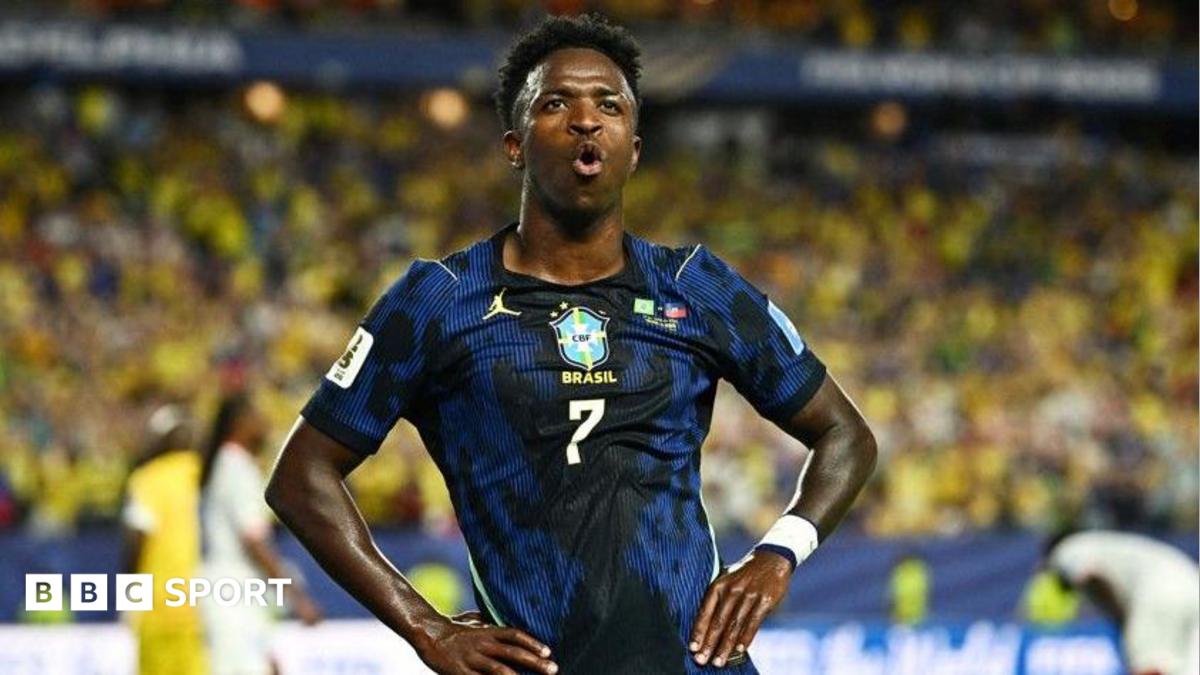
Brazil’s 3-0 victory against Haiti on June 20, 2026, looks efficient on paper, but the performance warrants a deeper look at the metrics. Dominating 85% of the opening half in the final third typically produces more than two shots on target by the interval. The conversion rate failed to reflect the sheer volume of possession generated by Dorival Júnior’s high-intensity press.
As BBC Sport reported, the squad is still searching for its rhythm while other contenders like Argentina and France have already hit their stride in the United States. While Brazil controlled the space between the lines effectively, the lack of penetration against a rigid low block suggests an over-reliance on individual brilliance rather than cohesive movement.
The efficiency paradox
The discrepancy between possession dominance and actual xG output highlights a concerning lack of creativity. Despite pinning Haiti, the expected goals generated during the first 45 minutes remained surprisingly low. The passing accuracy in the final third hit 78%, yet the final ball lacked the necessary weight to dismantle a low, compact defensive unit.
If a team occupies the half-spaces for the majority of the match, an xG outcome of under 1.5 against a side ranked outside the top 50 is underwhelming. This is not about the opponent's defensive organization; it is about the inability of the Brazilian midfield to rotate with pace. The lateral passing frequency was 22% higher than their average output in the previous qualifiers, replacing verticality with safe, predictable circulation.
Defensive vulnerabilities in holding
The defensive structure also showed cracks despite the clean sheet. Haiti managed to find outlets during three separate transition moments where Brazil’s central defensive midfielders were caught too high. In the 34th minute, a simple through ball bypassed two players, forcing a tactical foul to prevent a one-on-one opportunity.
Refining this structure is necessary before facing higher-tier opposition. The current approach of committing six players forward during ball retention leaves the backline exposed to long-ball release. While the result cements the gulf in class as explored in recent tactical analyses, the tactical rigidity displayed here could be punished by more clinical sides entering the knockout stages.
The absurdity of a mouth-covering red for Miguel Almiron in the Paraguay versus Turkey fixture distracted from the underlying tactical stagnation occurring across the tournament.
The tournament hierarchy remains clear, but Brazil’s current progression curve is flatter than anticipated. Controlling possession is a means to an end, not the end itself. Unless the offensive output improves by at least 15% in xG creation against organized defensive thirds, this squad risks an early exit when the intensity scales up.
Read Next
- Brazil's walkover confirms the gulf in class at the 2026 World Cup
- Brazil's performance against Haiti masks systemic midfield concerns
- Brazil's World Cup opener is a trap game against Haiti
- The Brazil vs Haiti drama is officially cracking the internet in half
- 🏆 World Cup 2026 — Full Coverage Hub
- 🇧🇷 Brazil World Cup 2026 — A Seleção Hub