The Pitchside Saturation at The Oval
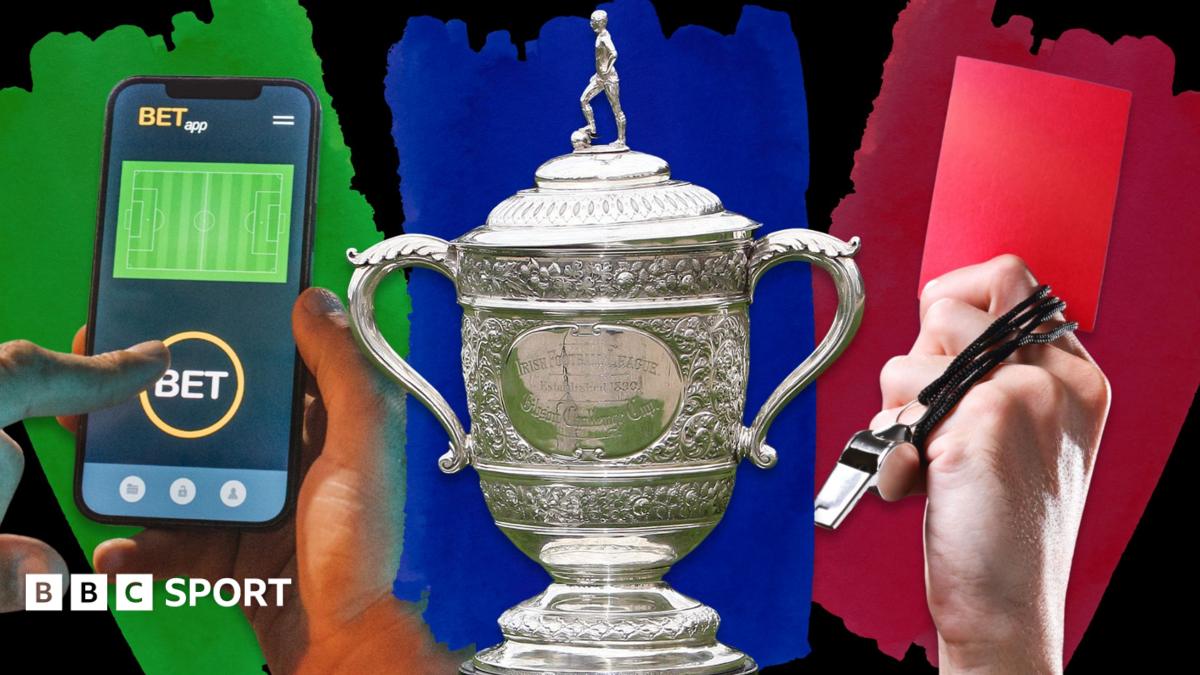
Glentoran host Crusaders this Saturday in east Belfast, but you cannot watch five minutes of Irish Premiership football without staring directly into a bookmaker logo. The pitchside hoardings at The Oval flash betting promotions on every turnover, while both teams walk onto the pitch with gambling operators emblazoned across their chest.
Tactically, Glentoran will try to exploit width in their 4-3-3 shape, overloading the flanks to bypass Crusaders' mid-block. Yet while managers obsess over defensive transitions and rest structure, the league itself is running a far more dangerous transition off the field. As BBC Sport reported, Northern Ireland football is doubling down on betting money at the exact moment other leagues pull back.
Across the Irish Sea, the 2026-27 season marks the start of the Premier League's voluntary front-of-shirt gambling ban. Eight top-flight English clubs were forced to hunt for alternative primary shirt sponsors this summer, with Sunderland and Chelsea famously delaying announcements late into pre-season. In contrast, the Irish Premiership has embraced betting capital at every tier of the pyramid.
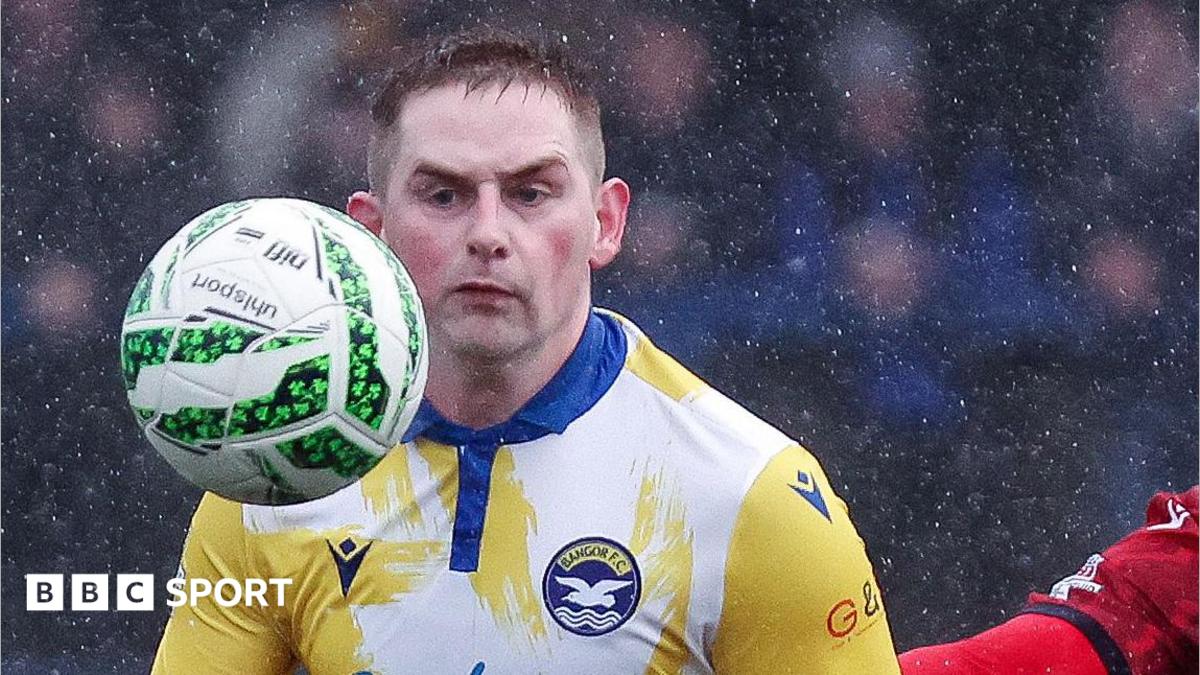
Three Premiership clubs—Glentoran, Cliftonville, and Crusaders—carry betting firms on the front of their match shirts. Champions Larne display a gambling logo across the back of their shirts, while Linfield wear one on their sleeve. Even the Women's Premiership sees Crusaders sporting a betting sponsor on their kit, while Glentoran's home stadium carries bookmaker branding in its name.
The Northern Ireland Football League inked a landmark commercial partnership with BoyleSports valued at over £1m. That contract embeds the bookmaker onto sleeve patches, pitchside LED boards, player of the match trophies, and digital graphics. Commercial growth is vital for local clubs, but the speed of saturation is alarming.
Dressing Room Blind Spots and the 90-Minute Sanctuary
Coaches analyze expected goals and pressing triggers on whiteboards, but they remain completely blind to the silent crisis inside their own changing rooms. Players step onto the pitch carrying hidden debts and severe psychological strain, masking their struggles behind pre-match routines.
Former goalkeeper Aaron Hogg spent two decades in the Irish League, featuring for Crusaders, Glentoran, Portadown, Ards, Carrick Rangers, and Dundela. His journey started as a teenager with pool tables and fruit machines before spiraling into horse racing, roulette, and mounting debt.
During matchdays, shot-stopping and organizing defensive lines offered Hogg brief mental shelter. Yet competitive action was only a temporary refuge from escalating personal chaos off the pitch.
blockquote>"It was brilliant because my head was completely concentrated on that game and everything else went away, I was at peace for 90 minutes. But then I walked back into the dressing room, and as soon as you sit back down your world comes back down on top of you."
The nature of athlete addiction has shifted dramatically over the past two decades. Where players once walked into a physical betting shop on a Friday afternoon, modern smartphones deliver instant in-play roulette markets directly to their palms 24 hours a day.
PFA Northern Ireland chief executive Michael Carvill played alongside midfielder Matthew Snoddy at Crusaders for seven years without realizing Snoddy had a severe gambling problem. Carvill witnessed teammates checking phone screens immediately after full-time whistles, their emotional state dictated by live bet slips rather than match results.
When changing room culture normalizes rapid-fire gambling, young academy graduates entering men's football absorb those habits instantly. The temptation starts in youth ranks with video game microtransactions before escalating to weekend accumulators and live in-play wagering.
Lucrative Investment vs Social Responsibility
The commercial argument from league administrators is familiar: revenue feeds squad development, facility maintenance, and operational growth. NIFL pointed to a responsible gambling awareness campaign launched alongside their new sponsor, designed to encourage safer betting conversations across grounds.
Addiction specialists view that defense as hollow corporate posturing. Tommy Canning, head of treatment at Northlands Addiction Clinic, has managed teams in both the Irish League and League of Ireland across men's and women's football. He openly challenges the ethics of the deal, asking what price the league pays in human terms.
blockquote>"I think there's a huge amount of hypocrisy in that statement that 'we're going to take money from betting companies, but you know what? We're going to help you more when you get into trouble'."
Canning highlights how sports governing bodies previously banned tobacco and alcohol sponsorships once public health damage became undeniable. Football authorities continue to treat gambling advertising as an essential revenue source despite clear evidence linking high exposure to increased harm.
Research across top-level broadcasts underlines the scale of exposure. During a single televised fixture analyzed in late 2025, researchers documented over 5,000 gambling advertisements between perimeter boards, jersey logos, and commercial breaks.
Northern Ireland operates without a dedicated gambling commission, severely limiting regulatory oversight at government level. That regulatory vacuum leaves vulnerable players and supporters without structural protections, forcing player unions to step into the breach.
Player-Led Solutions and Matchday Realities
Recognizing the danger, former players created the Gambling Support Group (GSG) to offer direct support across changing rooms. Spearheaded by Hogg, Snoddy, Aaron Traynor, and Michael Ruddy, the initiative provides confidential assistance tailored specifically for footballers through PFA Northern Ireland player services.
The group deliberately uses QR codes and text messaging inside changing rooms rather than traditional phone helplines. For a player trapped in guilt and isolation, typing a discreet text message removes the painful barrier of speaking out loud to a stranger.
Hogg has been bet-free for 8 years and now uses his past experience to help active squad members rebuild their lives. His focus centers on peer understanding rather than judgment or disciplinary action.
The PFA NI operates independently of the Irish FA, ensuring players can seek help without fear of league sanctions or fines. Carvill emphasizes that connecting with struggling athletes must come before any attempt to correct their behavior.
Female players in the Women's Premiership face similar pressures, making early outreach across women's squads equally vital. Establishing trust before crisis hits remains the primary objective for the union's regional network.
Tactical Preview and Confident Call
Turning back to Saturday's fixture at The Oval, the tactical battle will hinge on midfield control and second-ball recovery. Glentoran's high defensive line leaves space behind their full-backs, which Crusaders' direct counter-attacking structure is built to exploit.
Crusaders will sit deep in a compact 5-3-2 block, absorbing early pressure before launching diagonal passes into the half-spaces. Around the 60-minute mark, fatigue will test Crusaders' lateral shuffling when Glentoran bring fresh wingers off the bench.
Glentoran's superior individual quality in the final third should ultimately prove decisive despite Crusaders' stubborn defensive block. A back-post corner routine at 75 minutes will likely unlock Crusaders' aerial defense.
Prediction: Glentoran secure a narrow 2-1 victory, but the real narrative of this Irish Premiership season will continue to play out far beyond the scoreboard.
Read Next
- Martin O'Neill must rebuild Celtic's broken spine before Sunday
- Andoni Iraola's refusal to sign a holding midfielder will cost Liverpool
- Man United eye £38.5m Alejandro Balde move to solve left-back crisis
- Olivia Smith's £1m price tag is looking like a bargain for Arsenal
- Northern Ireland at the 2026 World Cup — Full Coverage Hub