Arthurs ready for Irish Premiership return
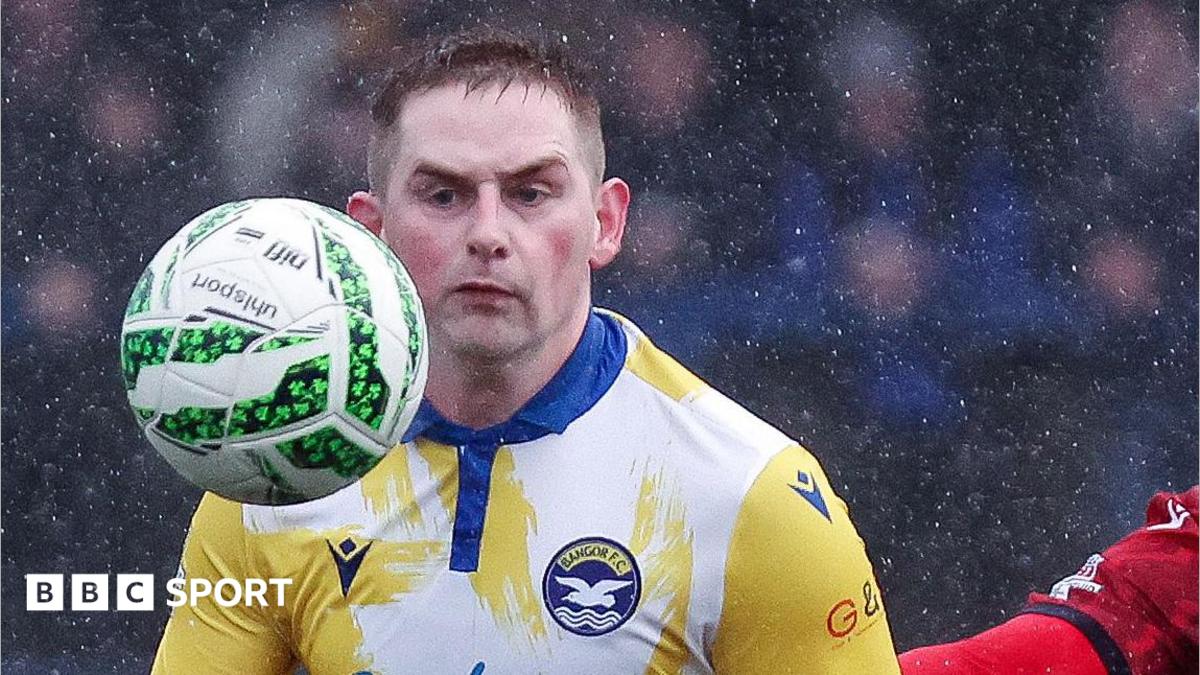
Bangor striker Ben Arthurs is officially eligible to feature in his club’s opening match of the 2026-27 Irish Premiership campaign. The forward has completed a mandatory three-month suspension following an anti-doping violation discovered last season.
The timeline confirms that the internal disciplinary process, overseen by regulatory authorities, reached its conclusion during the off-season. Arthurs, a focal point of the Bangor attack, will be under heavy scrutiny as he rejoins the squad for competitive action.
The nature of the suspension
Reports confirmed by the BBC clarify that the suspension stemmed specifically from cocaine use. The revelation of the failed test mid-season caused significant internal ripples, forcing the club to navigate a delicate public relations period while managing their roster depth without their primary striker.
Anti-doping mandates in football are rigid, and a three-month term is a standard outcome for substances categorized under social drug policies rather than performance-enhancing agents. Bangor officials maintained silence throughout the majority of the investigation to protect the integrity of the process.
Impact on Bangor’s attacking depth
The return of Arthurs provides a immediate boost to the manager’s tactical options. Without him, the team struggled to find a consistent target man capable of holding up play under high-pressure scenarios. His presence in the starting XI fundamentally changes how the team transitions from defense to attack.
However, questions remain regarding his match fitness and rhythm. Training in isolation is never a substitute for the intensity of competitive league minutes, and the coaching staff faces a gamble in starting him immediately against match-fit defenders. If he lacks sharpness, the team may revert to a more defensive structure to compensate.
Regulatory standards and club accountability
The Irish Premiership operates under strict oversight, and the recent confirmation by the BBC highlights the transparency required by clubs when dealing with player conduct. While the suspension is finished, the stigma of a failed drug test lingers in the locker room and among the fanbase.
Clubs across the league will be watching how Bangor manages the reintegration of a player returning from a disciplinary hiatus. Failure to provide proper support structures or behavioral monitoring often leads to recidivism in professional sports. Bangor’s management must prove that they have implemented safeguards to prevent similar occurrences in the future.
Looking ahead to the season opener
With the 2026-27 season set to commence, the focus now shifts to the pitch. Arthurs has maintained a low profile during the final weeks of his suspension, keeping his training private while waiting for the administrative green light. His performance in the first three matches will serve as the primary indicator of whether he has successfully navigated this personal and professional setback.
The league has not issued additional statements regarding the case, essentially treating the matter as resolved. Fans, however, are rarely as forgiving. The home crowd will provide the final verdict on his return as he steps back onto the field. Whether he can replicate his scoring output from previous seasons without the weight of the suspension hanging over his head remains the central mystery for Bangor supporters.
Critics might argue that three months is a lenient duration for a professional athlete failing a drug test. Regardless of the stance on the length of the ban, the rules were applied as written, and the slate is now clean. The burden of proof now rests entirely on Arthurs to justify his place in the starting rotation and rebuild his reputation through high-level play.
As noted in the documentation of the investigation, this was a straightforward compliance case, yet it serves as a reminder of the fragility of a professional career. One lapse in judgment can lead to a 90-day absence from the sport. Bangor will be hoping that this is the last time they are mentioned in the context of anti-doping headlines.