The boardroom bunker survives another day
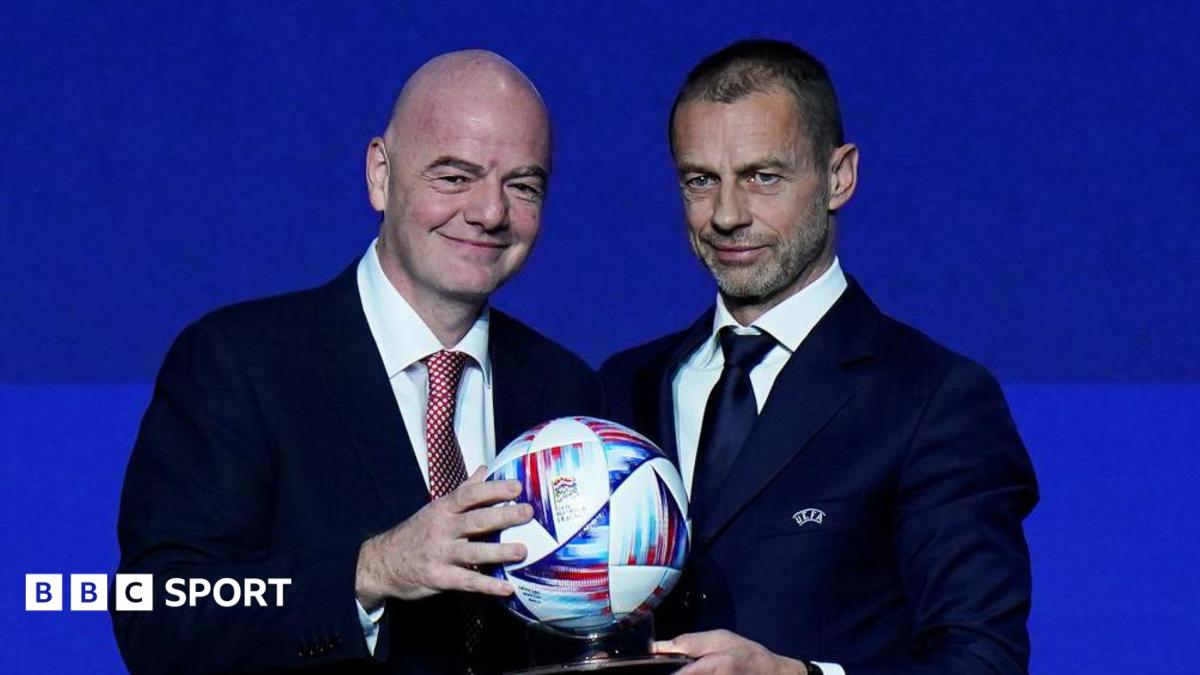
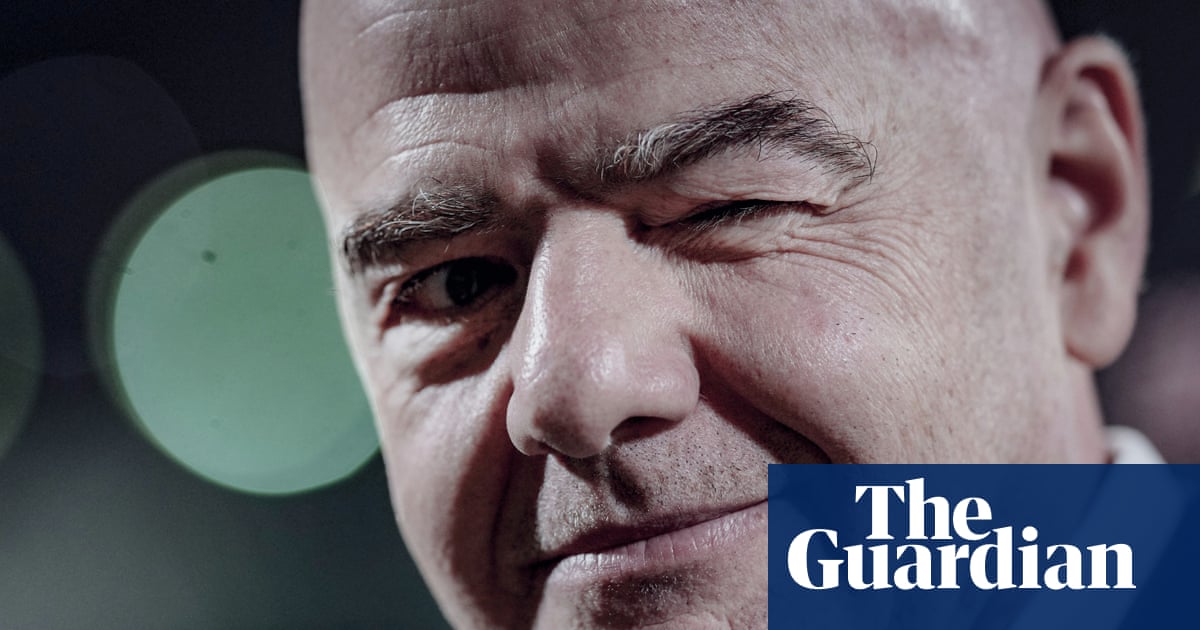
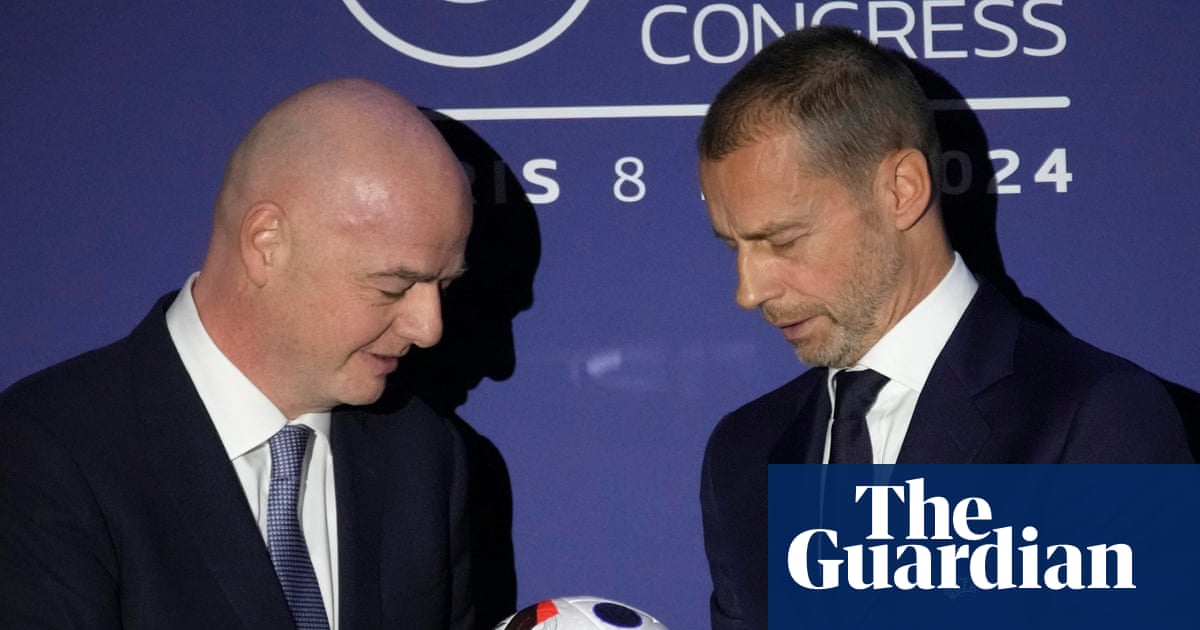
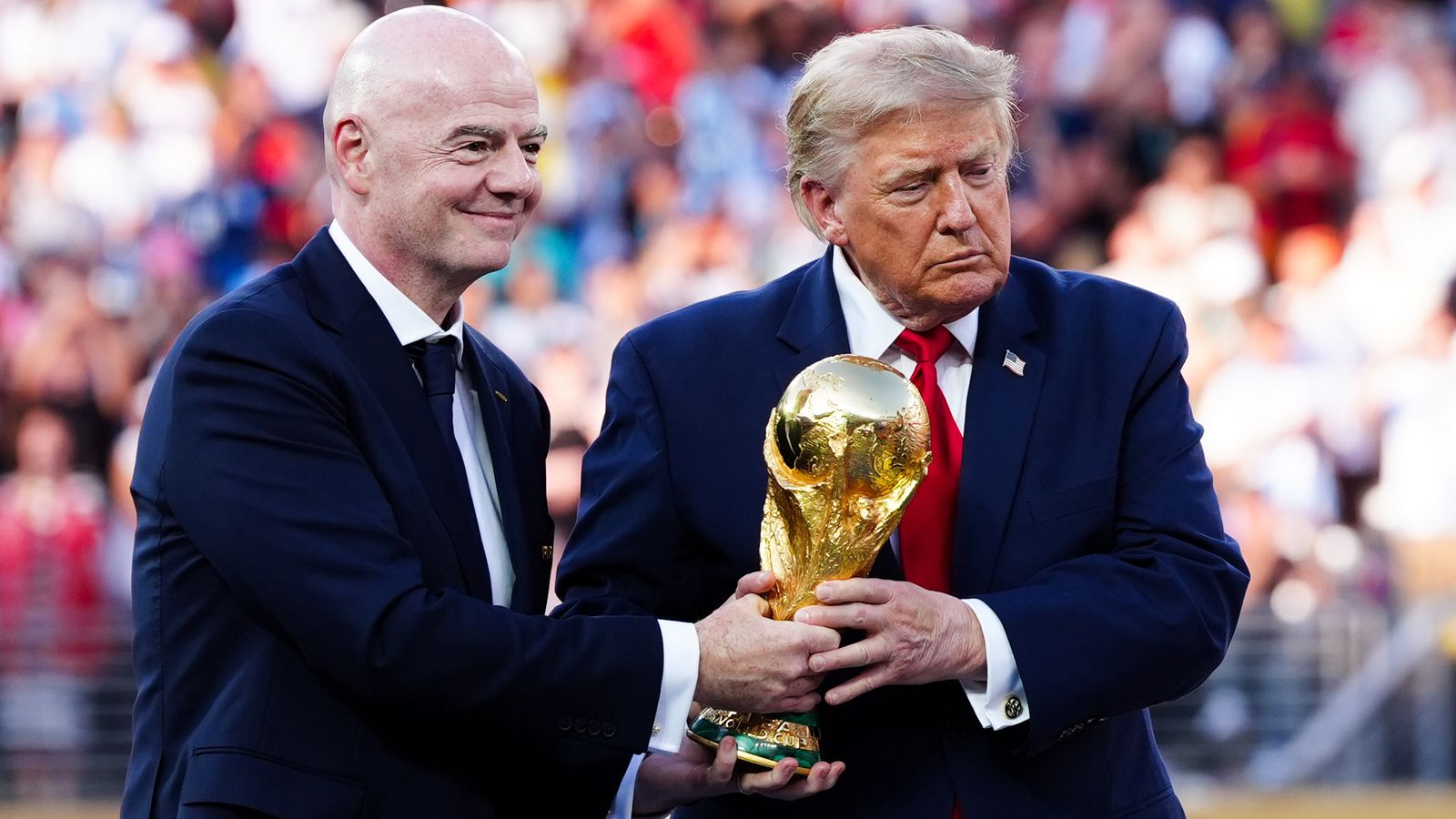
Gianni Infantino is staying put as FIFA president after today’s crisis meeting in Rabat. The man who managed to turn a World Cup bid process into a global punchline has somehow convinced the voting blocs to keep him in the chair. It is a masterclass in political survival that would make a Machiavellian chess player blush.
Reports out of the meeting suggest that the path of least resistance was once again the preferred route for the delegates. While the sport at the grassroots level struggles with burnout and financial instability, the high-altitude suits in Zurich remain insulated by a structure that practically guarantees tenure for whoever holds the gavel. Infantino knows exactly which hands to shake and which palms to grease to keep the machine humming along without interruption.
The Rabat reality check we didn't get
Let's be clear about what actually happened in Morocco. There was no grand reckoning or sudden moral awakening among the confederations. Instead, we witnessed a classic exercise in power retention that mirrors the most frustrating aspects of organizational politics. When you look at the track record of recent governance, it feels like we are watching a long-form drama where the villain never loses his seat at the table.
We expected a seismic shift or at least a public acknowledgment of the mounting pressure from various footballing nations. Instead, we got the administrative equivalent of a defensive shell formation designed to kill the clock. They played for a draw, they secured their safety, and now we are left to deal with the fallout of another cycle of status quo leadership. It is the tactical equivalent of parking the bus for 90 minutes when you are playing against a superior opponent.
Why this matters beyond the suits
This is not just about a fancy office in Zurich or the air-conditioned boardrooms. This is about the credibility of the entire sport we love. Every time a crisis like this is swept under the rug, the distance between the fans on the terraces and the people making the rules grows wider. We are the ones who buy the kits, pay for the streaming subscriptions, and wake up at ungodly hours to catch a match across time zones.
When the leadership refuses to change, it sends a signal that the people at the top are not accountable to the people who give the game its soul. We have seen teams like Crystal Palace taking real, tangible risks to improve their standing on the pitch, yet the governing body acts with the mobility of a glacier. It is infuriating to see such a stark contrast between clubs trying to innovate and a governing body that seems allergic to progress.
The cost of administrative inertia
The decision to maintain the current direction reflects a deep-seated fear of instability. By avoiding any radical change, the delegates have opted for a predictable, albeit stagnant, future. They are betting that the revenue streams from the global game will mask the internal rot, at least for another election cycle. It is the same mindset that leads clubs to panic-buy aging veterans instead of investing in youth pipelines.
We saw this same brand of political maneuvering when Palace started chasing Zavier Gozo—the need to make a splash to distract from structural flaws. Infantino has his own version of a star signing, except his version involves keeping his own job. The irony is that the fans see right through it. We are not just casual observers; we are the ones who track the minutiae of the game, and we recognize when we are being played for fools.
What comes next for the beautiful game?
We are currently looking at a period where the governance of football will remain firmly locked in the past. There will be no major reforms to the tournament selection process or the financial transparency protocols that everyone agrees are broken. The result in Rabat is essentially a 0-0 draw where the team playing for the draw decided that holding on to the ball in the corners was better than trying to score a goal.
If you were hoping for a housecleaning, you are going to be waiting a long time. The machine is too efficient at protecting its own. Until there is a genuine threat to the revenue that flows into these offices, do not expect anyone to leave their post. The current leadership has mastered the art of survival, and for now, the rest of us are just along for the ride in this weird, bureaucratic version of a championship run that nobody asked for.
The takeaway is simple: expect more of the same, more controversies buried in meeting minutes, and more frustration for the average supporter. The system is designed to reward loyalty to the president over loyalty to the game. It is a depressing state of affairs, but it is the reality we have to navigate as we continue to watch the games we love, even if we have to hold our noses while doing it.
Read Next