Cutting the Cord After Twenty Years
Take a breath, order another pint, and admit what everyone saw coming since Frankfurt. The hostage situation is officially over. For two decades, Portugal operated under a monarchy where every attacking sequence had to pass through one brand portfolio.
If Cristiano Ronaldo wanted a 35-yard free kick into a five-man wall, he took it without debate. If he wanted to linger offside while ten outfield teammates chased shadows, everyone nodded politely. It delivered European glory in 2016, but the final chapters felt like an uncomfortable dinner where nobody wants to take the car keys away from grandpa.
Now comes the 2026 World Cup across North America. For the first time in over two decades, Portugal enters a tournament without having to build a tactical altar. That reality should terrify every defensive coordinator across the globe.
The emotional relief alone alters the entire dressing room dynamic. Think back to Frankfurt during Euro 2024, when Jan Oblak parried Ronaldo's extra-time penalty kick. Portugal spent an entire halftime break consoling a crying icon instead of preparing for a high-stakes shootout.
That psychological tax has expired. When you strip away the circus, you find a roster overflowing with prime European talent. This is no longer a supporting cast waiting on cue; it is an elite machine ready to operate on its own terms.

The Engine Room Belongs to the Technicians
Look at the midfield and try not to drool if you appreciate technical precision. Bruno Fernandes spent years hauling a broken Manchester United side through weekly existential crises, yet his creative metrics remain untouchable. Give Bruno freedom without the obligation to feed a stationary target, and he turns into an absolute menace.
He spots passing lanes before they materialize on tactical monitors. He unleashes vicious curling passes into empty channels. More importantly, he arrives late into the penalty box like an uninvited debt collector, punishing defenders who lose track of second runners.
Beside him sits Vitinha, the heartbeat of Paris Saint-Germain. During the Champions League knockout stages, Vitinha registered an absurd passing accuracy of 90.2% while facing elite European counter-presses. He refuses to cough up possession under direct physical pressure.
Vitinha simply drops his hips, rolls his studs over the ball, and spins away into open grass. Opponents commit two midfielders to crowd him, only to watch him float a diagonal ball directly into the weak side of their defense. He dictates tempo with the cold efficiency of a chess grandmaster.
Then you add João Neves, a relentless dynamo who tackles like a terrier on double espresso. Neves cleans up loose balls, disrupts transition breaks, and snaps immediate passes forward without taking needless touches. With Bernardo Silva drifting inside from wide spaces to create overloads, Portugal owns the cleanest midfield rotation in world football.
Electric Chaos on the Wings and the Strike Force
Up front, Portugal moves away from static penalty-box camping toward blistering transition pace. Rafael Leão is one of the most frightening open-field runners on the planet. Give Leão fifteen yards of green grass on the left flank, and opposing right-backs age five years in ninety minutes.
He drops his left shoulder, flashes his signature relaxed grin, and accelerates past defenders like a sports car hitting an empty highway. When Leão isolates an opponent in a one-on-one duel, catastrophe follows for the defense. He creates tap-ins out of routine throw-ins.
Yet we cannot ignore the maddening flaws in Leão's game. On his off days, he tracks back with the urgency of a Sunday shopper browsing duty-free perfume at the Lisbon airport. When his left-back overlaps and loses the ball, Leão often ambles back at walking pace while watching the opponent counter.
Against top-tier tournament opposition, that lack of defensive commitment gets punished mercilessly. A serious contender cannot afford passengers out of possession. Leão has to commit to dirty running, or he will cost his country when the margins tighten.
In the middle, Gonçalo Ramos offers the exact opposite profile. Remember the 2022 World Cup in Qatar when Ramos replaced Ronaldo and dropped a historic hat trick in a 6-1 rout of Switzerland? That was not a fluke; it was a blueprint for modern pressing.
Ramos harries centre-backs until they panic and spray clearances into the stands. He does not care about taking fancy touches or demanding eighty percent of team shots. He crashes near posts, occupies physical markers, and drags defenders away to let wingers exploit interior pockets.
Then there is João Félix, international football's permanent enigma. Clubs spent over €126 million on his potential, yet he still drifts between breathtaking flicks and total invisibility. If Portugal relies on Félix to solve defensive locks, they are betting on smoke.
The Roberto Martínez Problem and the Path Forward
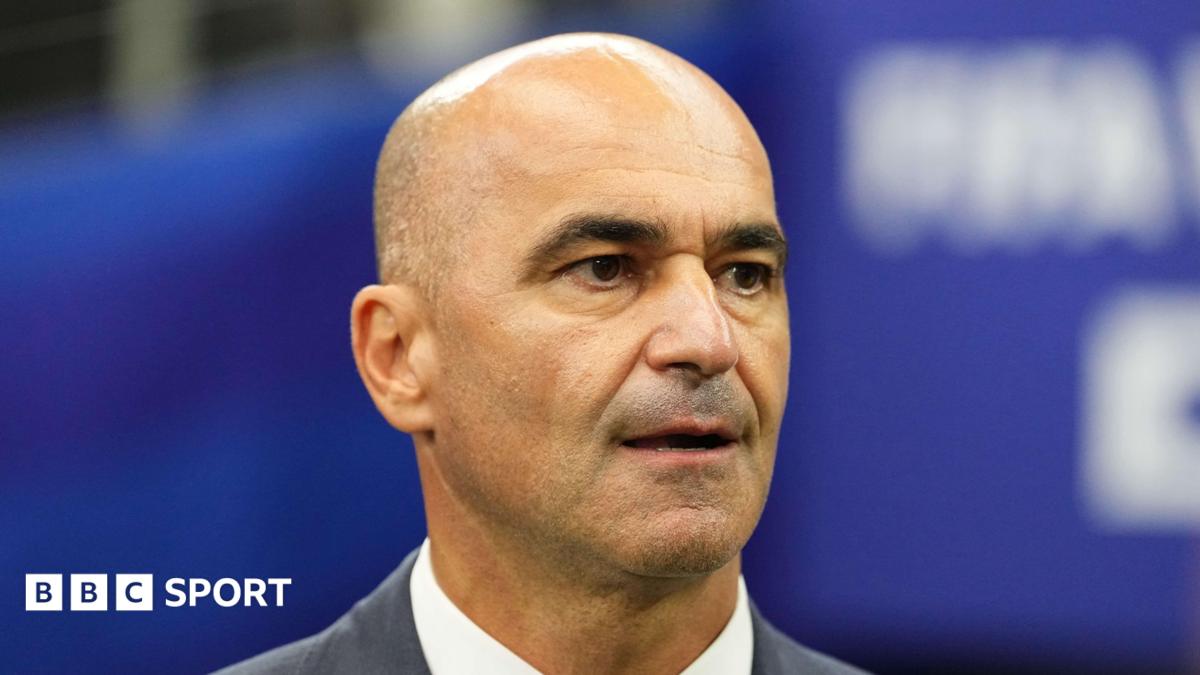
Every championship push has a potential fatal flaw, and for Portugal, it sits directly in the dugout. Roberto Martínez is charming, multilingual, and an exceptional corporate politician. Those qualities made him ideal for pacifying an aging superstar without triggering an internal mutiny.
However, diplomacy does not win knockout matches against tacticians like Luis de la Fuente or Didier Deschamps. We all watched Martínez oversee Belgium's golden generation, transforming world-class talent into repeated tournament disappointments. His tactical flexibility under duress has always looked remarkably thin.
His defensive setups often leave enormous vacancies behind adventurous fullbacks. Portugal leans heavily on Rúben Dias to clean up tactical messes through sheer willpower and positional brilliance. Dias barks orders like a sergeant, but one centre-back cannot cover sixty yards of vacant turf alone.
Behind Dias stands Diogo Costa, who proved his ice-cold temperament with three straight penalty saves in a 3-0 shootout triumph against Slovenia. Costa gives Portugal a genuine match-winner in goal. Even so, relying on heroic goalkeeping to bail out flawed defensive balance is a losing strategy.
If Martínez resorts to timid game management when knockout games get tense, this golden generation will stall out prematurely. Conservative substitutions and rigid formations kill inventive attacking teams. Portugal needs bravery from the bench, not caution.
For twenty years, every tournament preview of Portugal began with the exact same script. Pundits debated who would feed Ronaldo, who would yield set pieces, and who would take the blame when things went sideways. That single dynamic suffocated collective tactical expression.
That script is shredded now. Portugal heads to North America with a versatile squad capable of playing high-tempo football, low-block counter-attacking, or patient possession. They possess every tool required to dominate international tournaments.
Without the burden of servicing an icon, Bruno Fernandes can orchestrate from deep, Vitinha can control match rhythm, and Ramos can spearhead an aggressive frontline press. The excuses have evaporated into thin air. If this team stumbles, they cannot blame the ghost of yesterday.
The keys are in the ignition, and the tank is full of high-octane fuel. Portugal are finally liberated, lethal, and completely terrifying to play against. Now they just have to step on the gas and prove it.
Read Next
- Why Brazil will probably break your heart again at the 2026 World Cup
- CONCACAF qualifying without the giants was the best kind of chaos
- France are not defending the World Cup in 2026 and that should terrify everyone
- Sunday League Survival Kit: 4 Budget Football Essentials That Actually Hold Up
- 🇵🇹 Portugal World Cup 2026 — A Seleção Hub