The shadow of the UEFA-FIFA friction
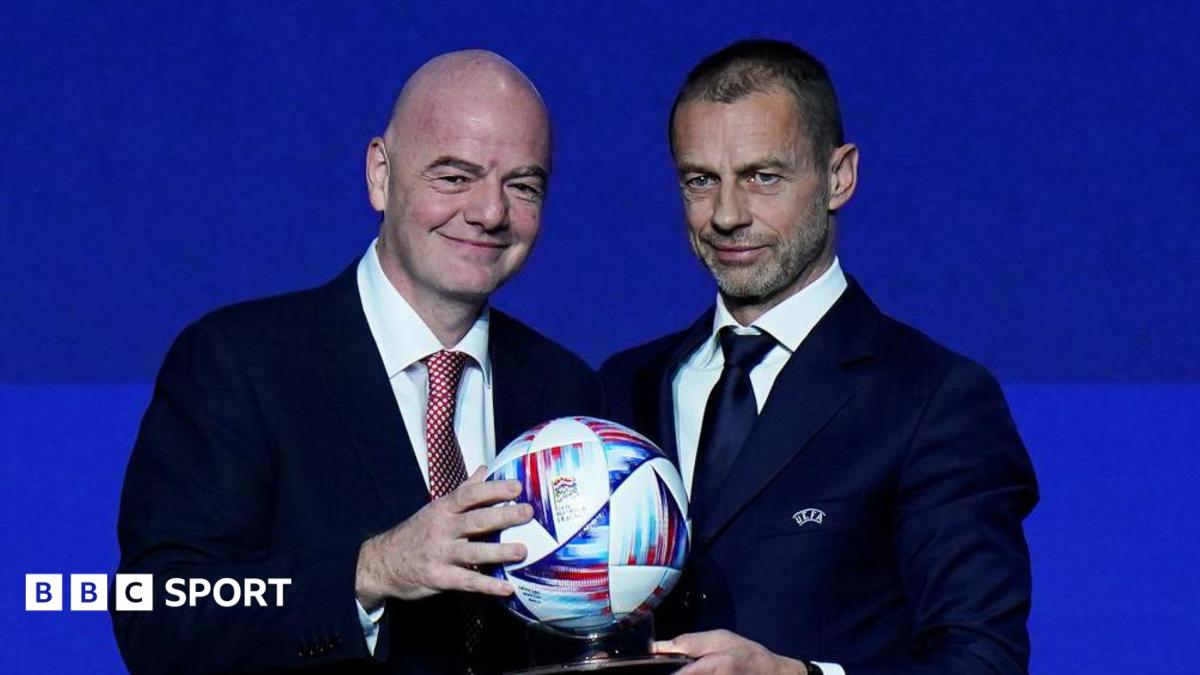
France’s participation in the upcoming U20 Women’s World Cup is currently shrouded in uncertainty. While the squad continues preparations, the looming threat of a UEFA boycott of FIFA competitions creates a strange atmosphere for a youth tournament that should be about development, not board-room politics.
As reported by the BBC, the French federation has maintained its intention to travel. It is a bold stance, particularly given the aggressive posturing currently radiating from Nyon. The discrepancy between administrative threats and the reality of the training pitch has created a bizarre pre-tournament environment.
Tactical implications for the youth setup
From a tactical standpoint, this distraction is an absolute nightmare for a coaching staff trying to mold a generation of players. When you look at how these international youth structures are meant to feed the senior team, continuity is everything. If the rug is pulled out from under them, the damage is not just immediate; it ripples through the pipeline.
The current squad has spent months implementing a high-press system that demands constant movement from the defensive line. If the tournament is canceled or France is forced into a withdrawal, that tactical investment hits a brick wall. We are talking about thousands of minutes of preparation effectively wiped off the slate.
The reality of the threat
Let’s look at the numbers. France has allocated significant resources to the U20 program, treating this tournament as the primary testing ground for talent identification. A sudden withdrawal would leave these players without the critical exposure they need to transition into senior roles.
The skepticism remains high regarding whether UEFA actually pulls the trigger. A boycott is a nuclear option, yet the fact that we are discussing it 30 days out from the opening whistle is a failure of governance. The players, meanwhile, are left in a holding pattern, training at facilities with no confirmed end goal.
The organizational gamble
One has to wonder if this is merely a bluff meant to force a compromise. FIFA’s recent shifts in policy have rankled the European governing body, and using youth tournaments as a bargaining chip is a grim tactic. It puts the pressure squarely on the shoulders of the federations who are now forced to choose between loyalty to UEFA or the career development of their young stars.
My prediction? France shows up in the host nation regardless of the noise from UEFA HQ. There is too much internal pressure on federations to maintain the competitive rhythm of their youth systems. UEFA will likely soften its stance once they realize that punishing teenagers serves no one’s long-term interests. Expect France to play, though their focus on the pitch may be tested by the internal uncertainty regarding their eligibility status.
This isn't just about football; it is about institutional stubbornness impacting the grassroots. We should be focusing on the tactical shift France made in their latest qualifying cycle, where they moved to a 4-3-3 formation to accommodate more attacking width. Instead, we are looking at legal documents and administrative posturing. The game deserves better than the current boardroom chess match.
Read Next
- Lucy Bronze is right to back the UEFA standoff against FIFA
- Lucy Bronze supports UEFA boycott as player workload reaches breaking point
- Top 10: Gianni Infantino’s Most Controversial Moves
- Mexico’s FIFA pivot reveals a fractured power map
- 🏆 World Cup 2026 — Full Coverage Hub
- 🇫🇷 France World Cup 2026 — Les Bleus Hub