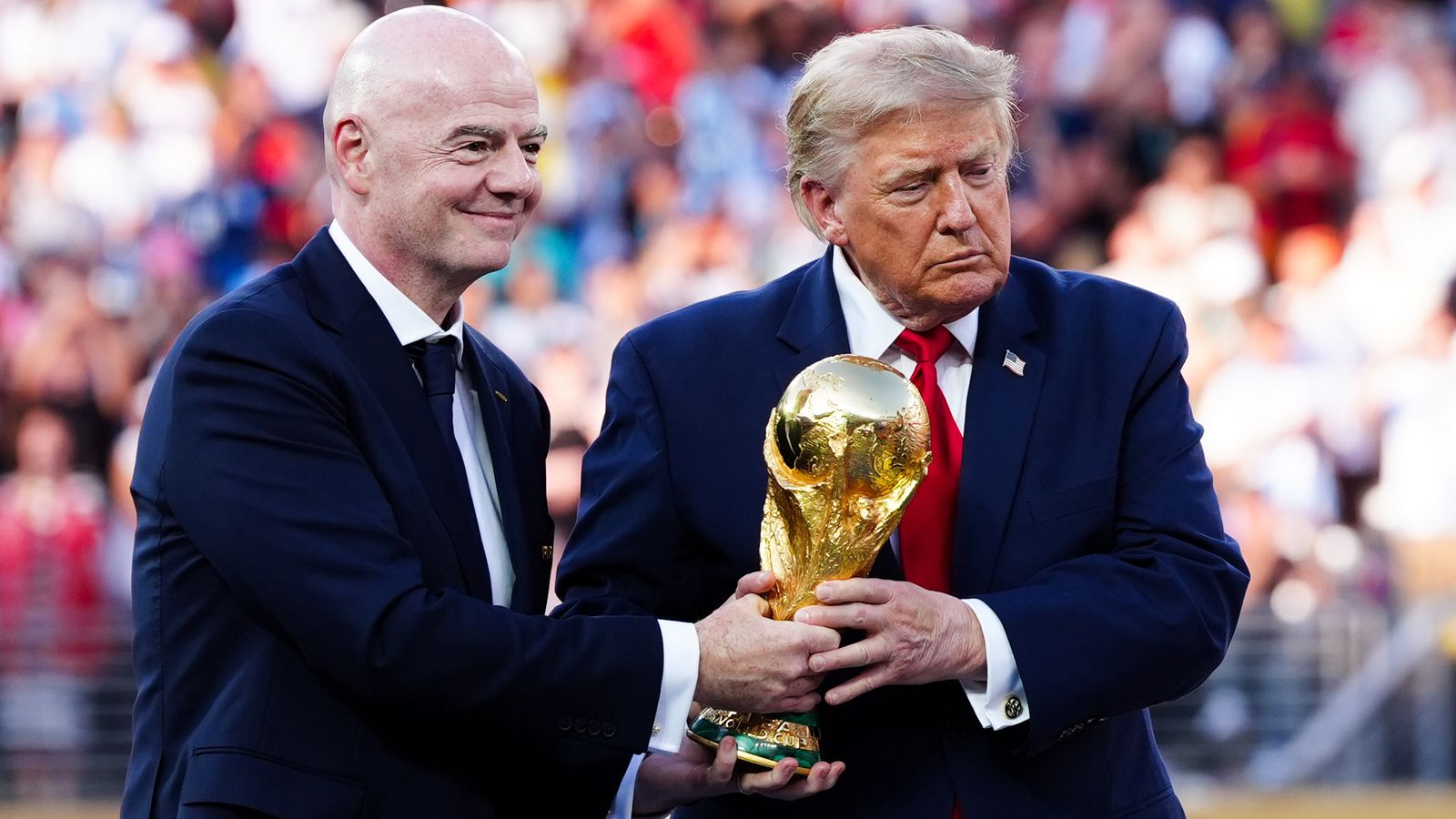
The intersection of Zurich and Washington
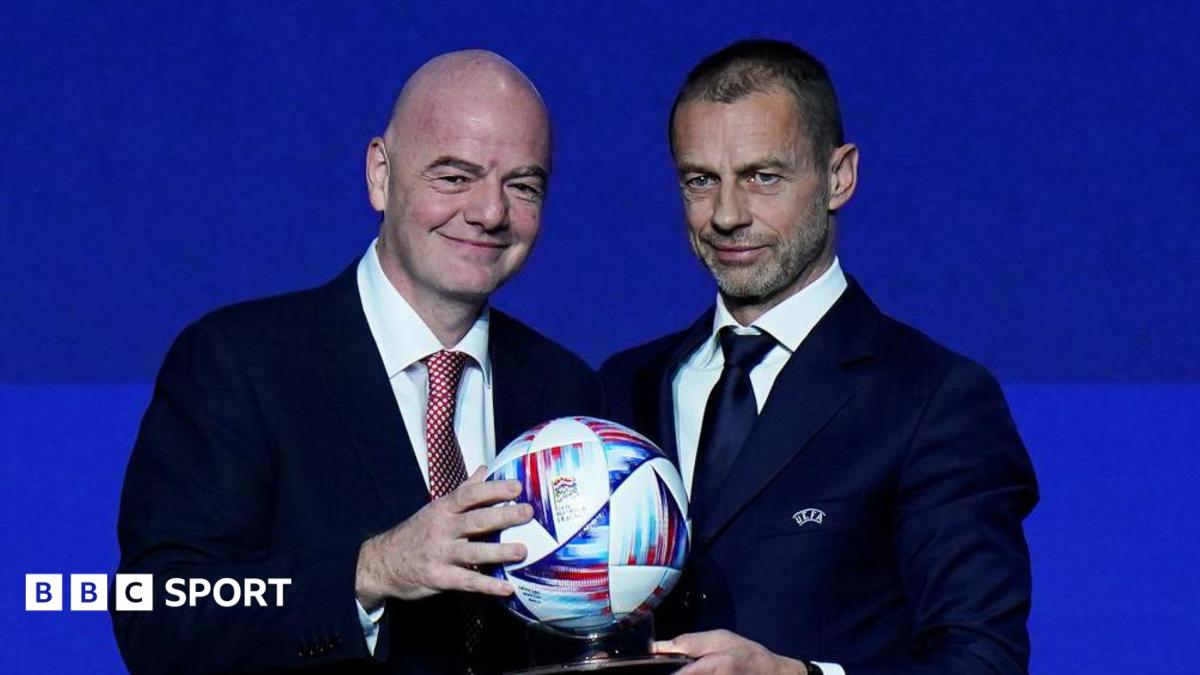
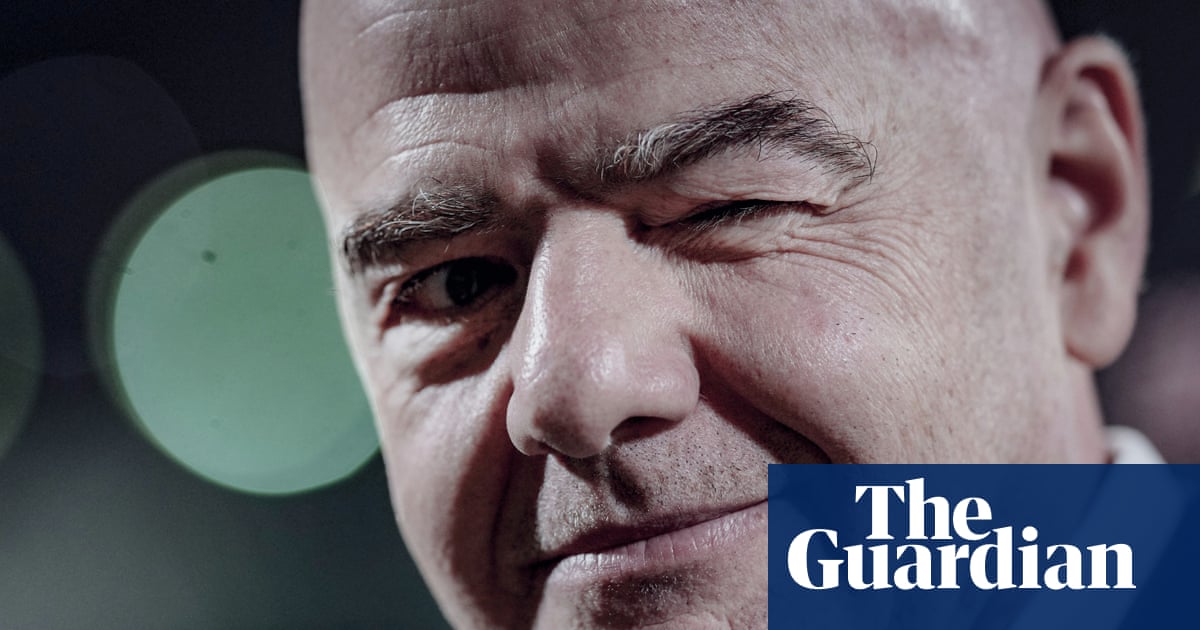
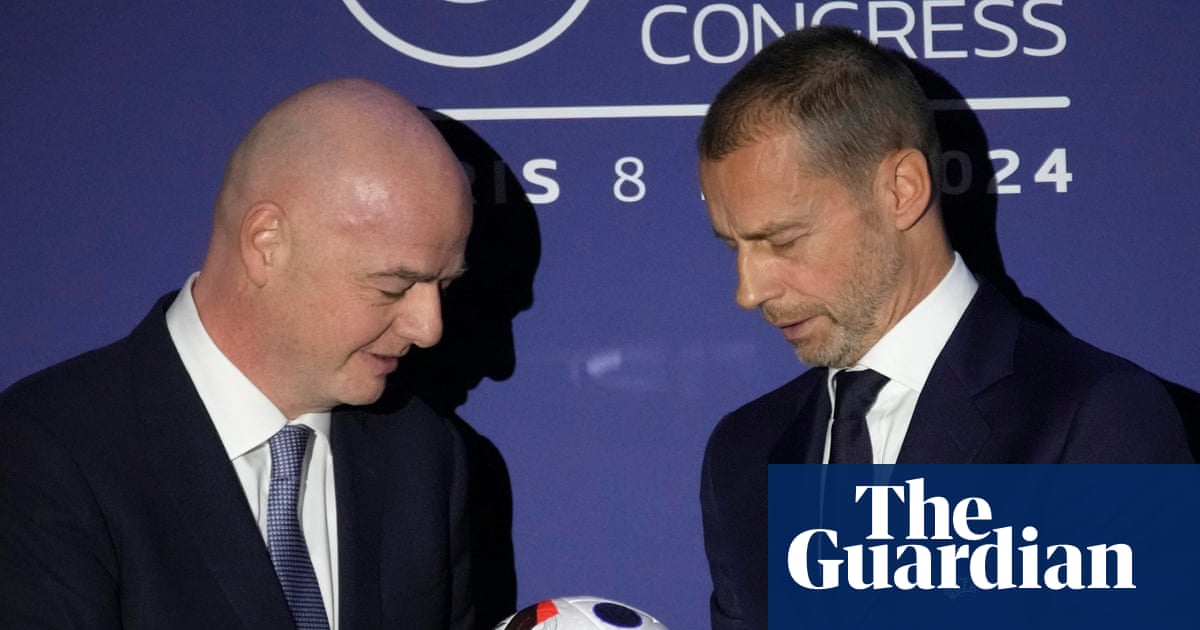
Football governance has rarely been a sterile environment, but the reported alignment between the US President and Gianni Infantino pushes the game into uncharted territory. As The Mirror reported, the President intends to utilize significant political capital to protect the FIFA president’s position. This maneuver comes at a moment when FIFA faces existential backlash regarding proposals to sell equity stakes in the organization.
The move to privatize portions of football's governing body is not merely a financial decision. It represents a fundamental shift in how the sport manages its assets. Critics argue that once private capital gains a foothold, the primary mandate of protecting the game’s integrity will inevitably become secondary to dividend payouts. That is a dangerous shift for a federation that operates under the guise of non-profit development.
Tactical maneuvers in the boardroom
Infantino’s current predicament is rooted in the aggressive expansion of the club tournament calendar and the pursuit of new revenue streams. By aligning with high-level American political support, he is attempting to insulate himself from the growing dissatisfaction within European football associations. It is a classic move of prioritizing institutional survival over consensus building.
The pushback is not just about ethics. It is about control. Should FIFA sell stakes, the influence of individual national associations—the bedrock of the current voting structure—would likely be diluted. If the 87 percent of national associations that rely on FIFA solidarity payments perceive this as a loss of long-term autonomy, the political cost will be high.
The fragility of the current setup
Infantino has navigated crises before, but never with this level of external political weight being applied to the scales. The risk here is the creation of a polarized structure where FIFA becomes a proxy battleground for broader geopolitical interests. When regulatory bodies stop functioning as neutral arbiters, the sport suffers.
We should expect the next few months to see a series of backroom negotiations designed to quell the dissent before it reaches the floor of the next congress. The strategy likely involves offering concessions to the confederations that have been most vocal in their opposition. Expect the financial distribution models to be adjusted in a desperate bid to keep the status quo alive.
My take? Infantino is overplaying his hand. Attempting to survive by importing political leverage rather than addressing the structural flaws in his own business model usually leads to a messy exit. The math of support within the FIFA congress is shifting, and once that momentum turns, no amount of outside influence will stop the tide. Expect a leadership transition before the end of the next cycle.