The FIFA power struggle begins
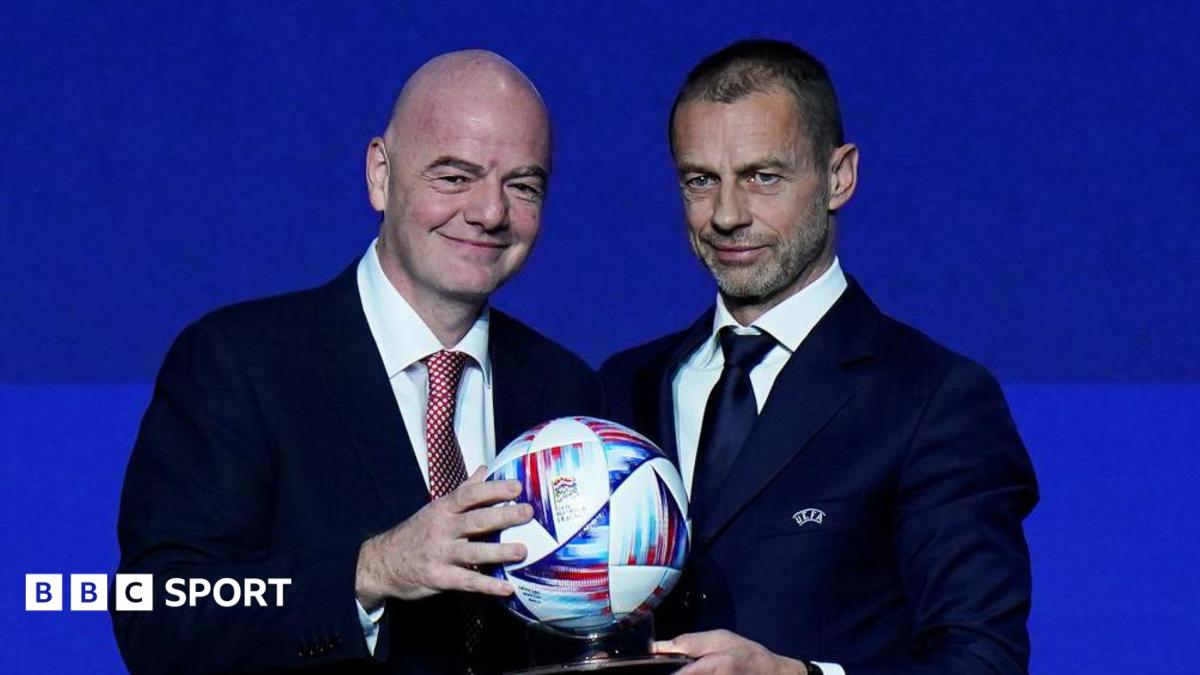
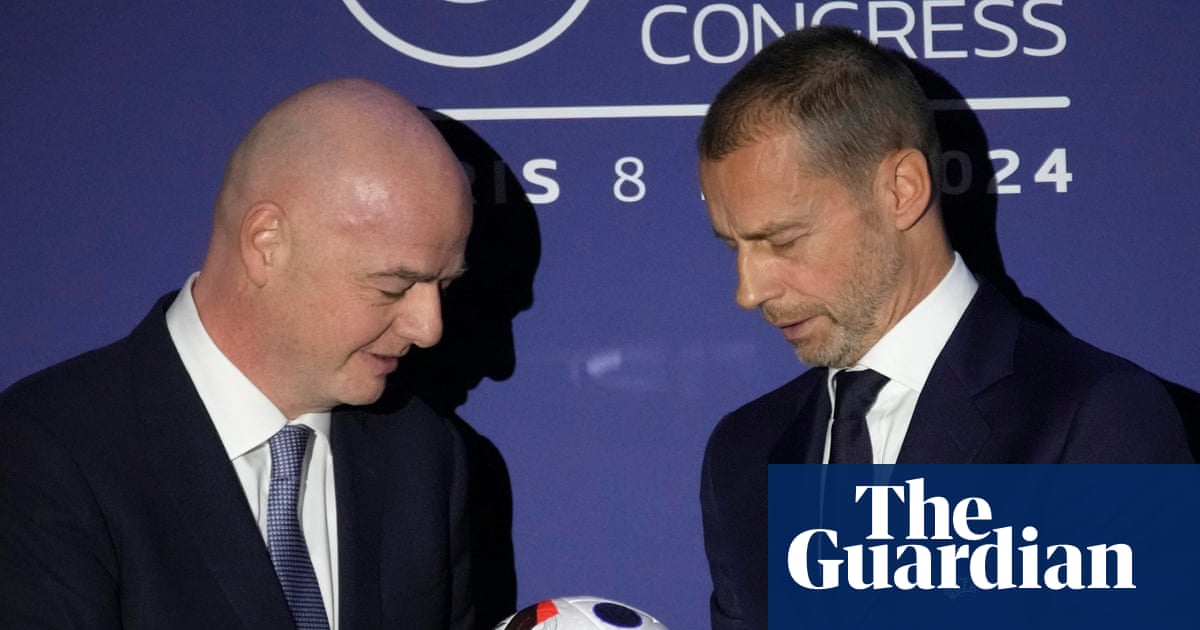
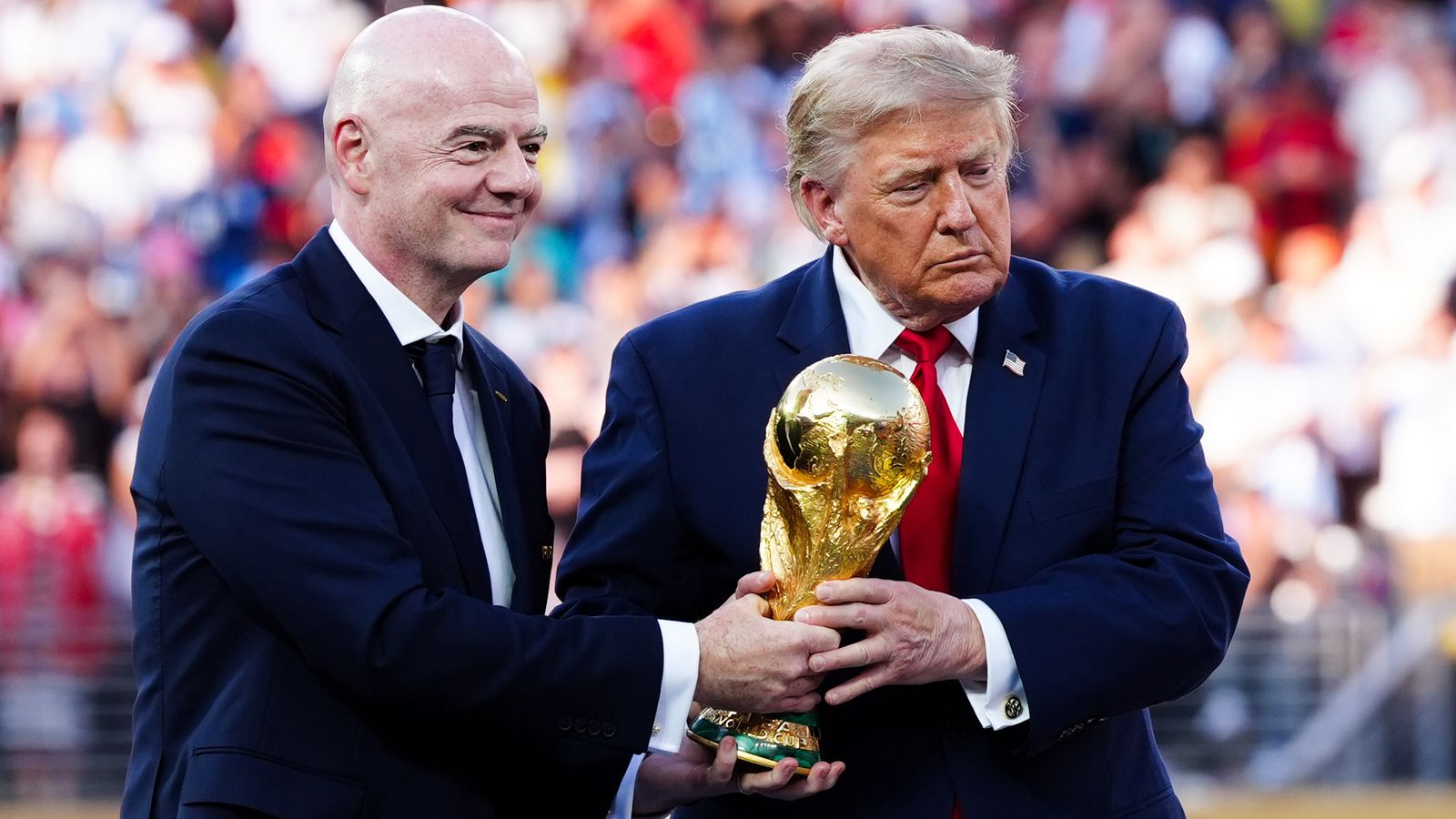
Gianni Infantino is staring down a legitimate mutiny. According to Mirror Football, a coalition of high-ranking officials and club executives are moving to force the FIFA president out of office. This is not the usual grumbling from the sidelines. The group is exploring the formation of a rival international competition to strip FIFA of its primary leverage.
The current internal friction stems from a long list of grievances regarding tournament scheduling and revenue distribution. FIFA has been aggressive with its expanded Club World Cup format, which has drawn the ire of managers and players alike. These elite European clubs are now reportedly coordinating a strategic exodus that would render the current governing structure irrelevant.
Tactical implications for the football landscape
The core of this rebellion rests on financial autonomy. By organizing a separate competition, these clubs intend to bypass the FIFA financial structure entirely. They believe that if the biggest names in the sport—Real Madrid, Manchester City, Bayern Munich—refuse to participate in FIFA-sanctioned events, the governing body will have no choice but to negotiate a transition of power.
This move is fundamentally a play for control over the calendar. Elite clubs are exhausted by the physical toll of 60-plus match seasons. They view the upcoming schedule as a logistical disaster that risks their most valuable assets: the players. The proposal for a new competition isn't just about money; it is a direct challenge to the authority that mandates these bloated tournament formats.
The threat of a breakaway league
We have seen these threats before, but the involvement of UEFA members adds a new layer of severity. If European federations pivot away from Infantino, the FIFA presidency essentially loses its backbone. The stability of the £30bn industry relies on the unified backing of these domestic leagues, and that unity is fracturing in real-time.
A critical failure in this strategy is the potential for total chaos within the sport's legal framework. If a rival competition launches, the confusion regarding player eligibility, contract insurance, and insurance liability will be massive. FIFA will undoubtedly fight back with threats of bans, but the clubs are betting that they are too large to be sanctioned effectively.
Probability and outlook
The probability of a total institutional collapse is currently moderate. While the desire to oust Infantino is genuine, executing a multi-national breakaway is a logistical nightmare. The clubs need complete alignment, and history shows that individual team interests often diverge when broadcast deals are dangled in front of them.
Expect this to remain a cold war for the next few months. We are looking at a timeline that stretches into the 2027 season, as legal teams for both sides begin reviewing the feasibility of a breakaway. The most significant impact if this succeeds? The end of the FIFA monopoly as we know it, potentially leading to a fragmented, club-led governance model that changes how matches are scheduled, marketed, and valued by the global audience.
The biggest risk here remains the fan experience. A fractured global game risks diluting the prestige of international football, which is arguably the only thing that unites a global audience. If these clubs prioritize their quarterly earnings over the structure of the game, they might find that the supporters who fuel their valuations aren't interested in the new, closed-shop product they intend to build.