The Big Picture
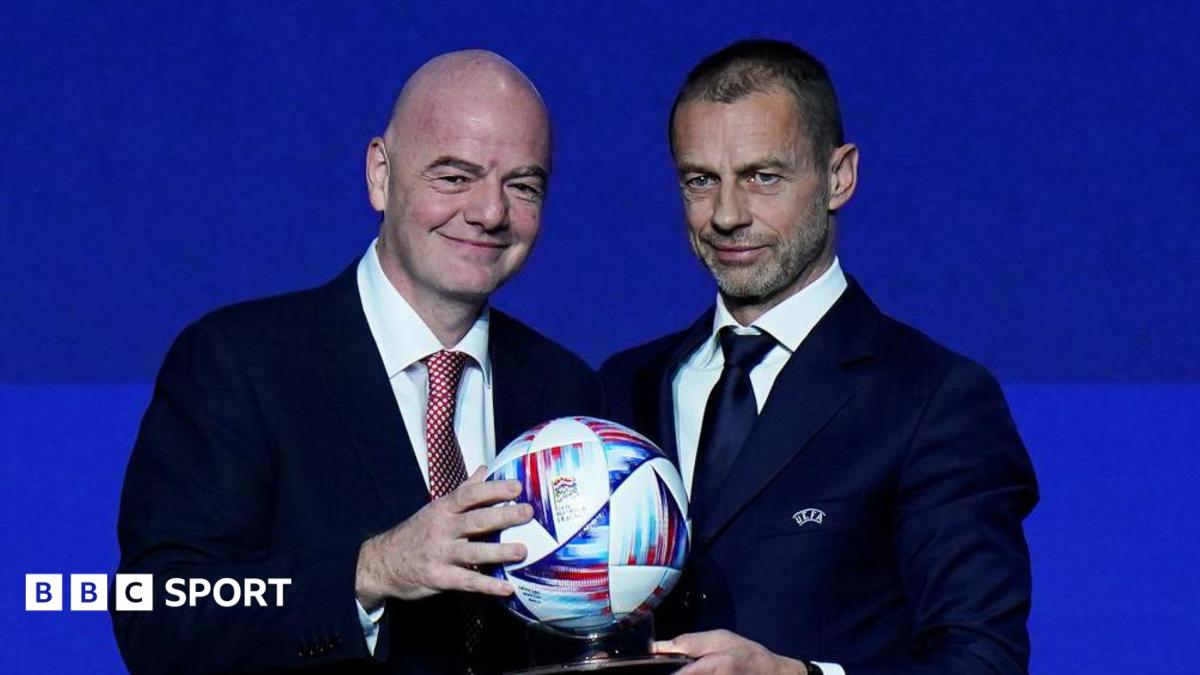
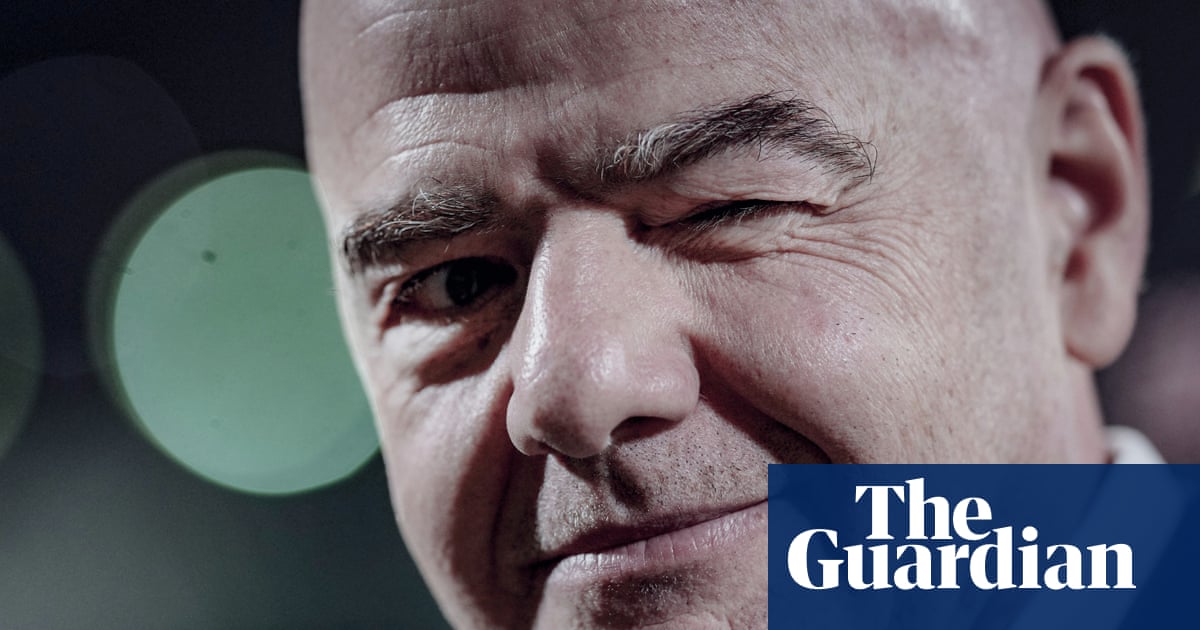
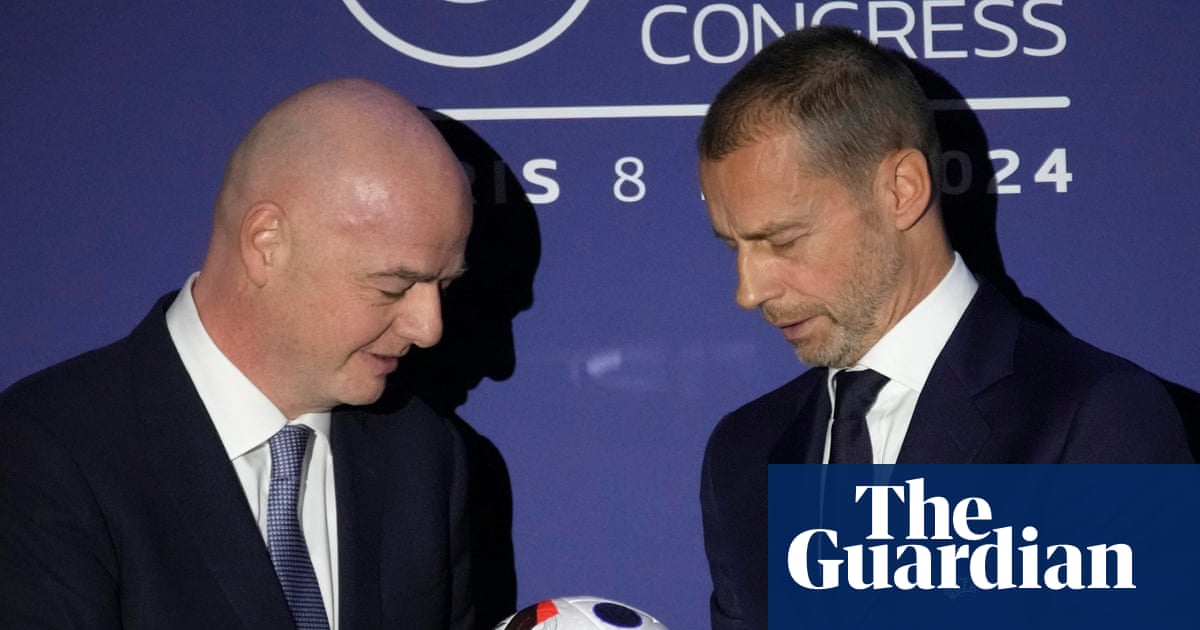
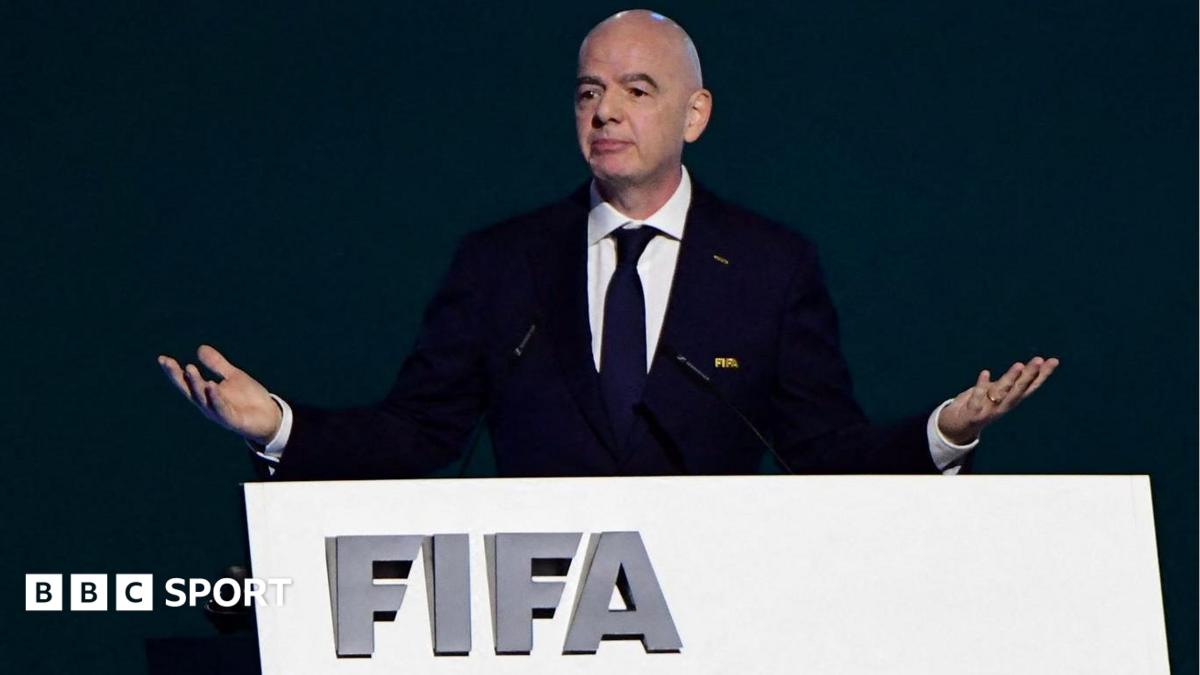
Gianni Infantino’s grip on global football is facing its most explosive threat yet. Senior UEFA sources confirm opponents of the FIFA president are threatening total non-cooperation unless he steps down from his post. It’s an unprecedented ultimatum that shatters any illusion of unity at the top of the sport.
Political warfare at FIFA headquarters rarely reaches this level of public hostility. European powers are putting their weight behind a high-stakes standoff, risking a complete bureaucratic freeze to force Infantino out. Here are the top 10 moments in this escalating war for control of world football.
1. UEFA's Ultimatum to Gianni Infantino
The turning point arrived when senior UEFA figures drew a line in the sand, directly calling for Infantino to resign. Threatening non-cooperation isn't just standard political posturing; it's a structural nuke aimed at FIFA's operational core. If Europe refuses to play ball on scheduling, commercial deals, and governance, the entire international calendar breaks down. This moment ranks at the absolute top because it transforms quiet dissatisfaction into open rebellion.
2. The Non-Cooperation Threat Drops
When news broke that key stakeholders were ready to halt all joint initiatives with FIFA, the shockwaves hit immediately. European administrators signaled they would simply bypass FIFA's working groups and committees. As the BBC reported, senior sources within UEFA confirmed the drastic strategy. It’s a ruthless tactic designed to make Infantino’s position completely unworkable.
3. European Heavyweights Align Against Zurich
Behind closed doors, the continent's major football federations finally coordinated their strategy. For months, individual nations voiced frustration over FIFA’s expanding tournament calendar and concentrated decision-making in Zurich. Getting multiple distinct associations to agree on an extreme stance was no small feat. This unified front forced FIFA executives to realize they were facing a full-blown cartel of opponents rather than isolated critics.
4. Infantino Rejects Calls to Step Down
Infantino’s immediate refusal to yield set the stage for a prolonged war of attrition. Rather than seeking a diplomatic middle ground, the FIFA president doubled down on his mandate, insisting on carrying out his term. That refusal turned a governance dispute into an active constitutional crisis. It earns a high ranking because it proved neither side is willing to back off without total victory.
5. The Expanded Club World Cup Resistance
The friction didn't appear out of nowhere; it erupted over FIFA’s aggressive tournament expansion plans. European domestic leagues and UEFA pushed back hard against the added fixture congestion and commercial strain. FIFA tried to press ahead regardless, alienating European club leaders who felt their domestic products were being devalued. That policy gamble directly triggered the open revolt we are seeing today.
6. FIFA Council Meetings Turn Hostile
The tension spilled directly into official meetings, turning usually routine governance sessions into battlegrounds. Delegates engaged in heated exchanges over voting rights, revenue distribution, and calendar control. What used to be rubber-stamped policy discussions devolved into procedural blockades. These explosive sessions proved the administrative machine was grinding to a halt long before the non-cooperation threat became public.
7. The Player Welfare Backlash Reaches Breaking Point
Beyond the boardrooms, player unions aligned with European authorities to challenge FIFA’s authority. Legal threats regarding workload and scheduling gave UEFA's political push legal backing. Star players publicly complained about burn-out, giving UEFA the moral high ground in their fight against Infantino's expanding calendar. It shifted the debate from a simple cash grab to a fundamental dispute over athlete health.
8. Leaks Expose Growing Division Within Zurich
Internal memos and leaked communications exposed deep rifts even within FIFA’s own committees. Staffers expressed concern that the governing body was completely burning bridges with its most lucrative confederation. The drip of damaging leaks exposed how isolated Infantino’s inner circle had become. It ranks lower only because political leaks are secondary to direct action, but it exposed the internal cracking inside Zurich.
9. Commercial Partners Express Backroom Anxiety
Sponsors and broadcast rights holders began raising red flags behind closed doors as the feud escalated. Corporate partners hate uncertainty, and the prospect of a split calendar terrified broadcasters paying billions. While partners haven't publicly broken contracts yet, their private warnings to FIFA leadership added immense financial pressure. The threat to Zurich's revenue streams made this a crisis that numbers-obsessed executives couldn't ignore.
10. Public Statements Draw Civil War Lines
The final moment in our ranking is the public war of words that formalized the split. Press releases loaded with diplomatic subtext gave way to blunt statements about leadership trust and governance failures. Both sides laid out their arguments directly to the media, cementing the division. It lands at number 10 because while the rhetoric was loud, the actual policy blockades carry far more weight.
Honorable Mentions
Outside the top 10, several key moments laid the groundwork for this explosion. The initial pushback against biennial World Cup proposals served as an early warning shot that FIFA ignored. Domestic league lawsuits against FIFA’s calendar decisions also signaled that European football was willing to take governing bodies to court to protect their interests.