The politics behind the whistle
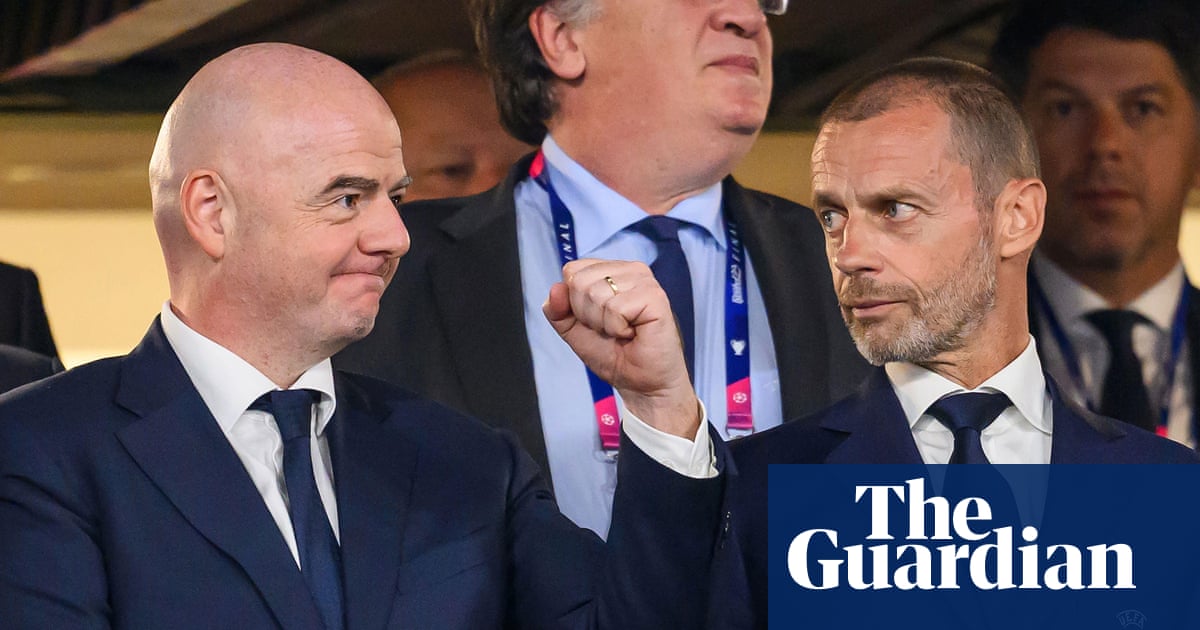
The 2026 World Cup has reached a strange impasse. While the stadiums hum with the noise of global intrigue, the executive suites are preoccupied with damage control. Gianni Infantino currently sits at the center of a storm regarding the Folarin Balogun red card controversy, yet internal power dynamics suggest he will walk away unscathed.
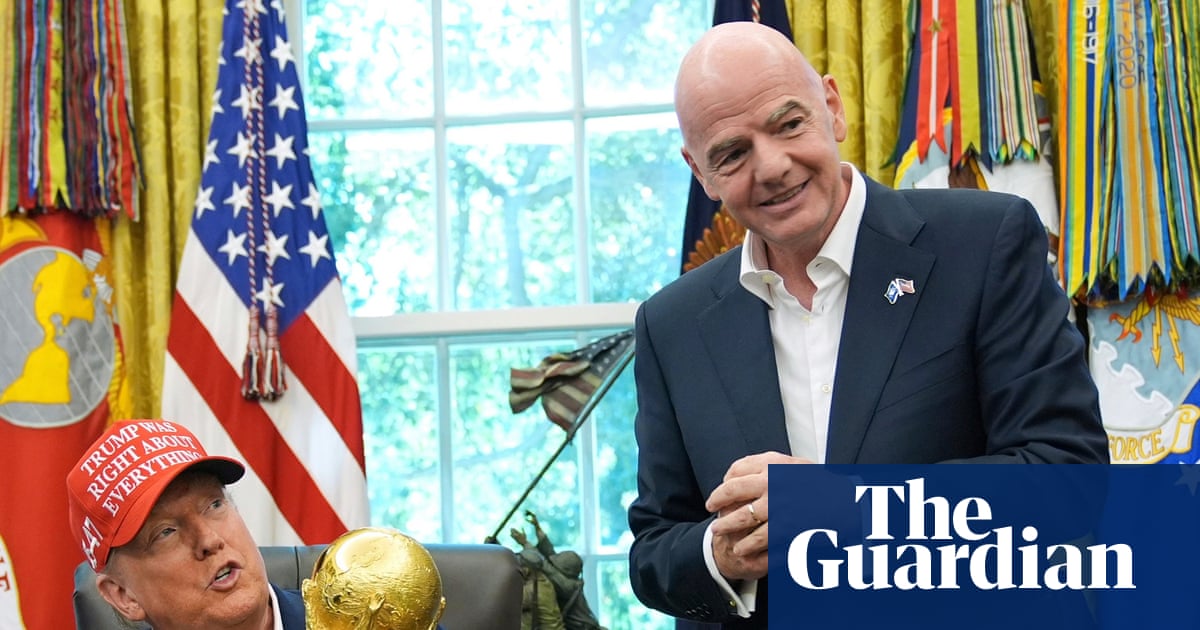
Reports indicate the International Olympic Committee has no appetite for imposing sanctions on FIFA. This lack of intervention isn't purely administrative. As The Guardian reported today, the intersection of political lobbying and sports governance has turned into a tangled mess. When Donald Trump reportedly spoke to Infantino before the contentious ban was lifted, the line between sport and state essentially vanished.
Tactical negligence on the field
Distractions off the pitch are bleeding into the quality of play. We saw it in the 1-3 defeat that marred the group phase, where structural discipline collapsed entirely after the controversy. Coaches are struggling to maintain focus when the governing bodies seem more interested in phone calls with world leaders than maintaining the integrity of the rules of engagement.
Watching the defensive lines during these opening weeks, the lack of concentration is alarming. Teams are losing their shape at the 44th minute of matches consistently as news cycles distract the players. The high line is becoming a liability rather than a weapon, provided the opposition has wingers with enough pace to exploit the obvious space behind the fullbacks.
The price of the spectacle
Fans have spent thousands to attend this tournament, only to find the games secondary to the circus. Hosting a tournament of this scale has become a transactional nightmare. Watching the transition from pure sport to geo-political theater hasn't just soured the mood—it has fundamentally compromised the competitive balance.
We are left with an environment where the rules change based on who is on the other end of the line. FairSquare’s complaint to the IOC regarding the neutrality breach is a valid move, though it will likely result in nothing but a dense report stored away in a digital archive. The tactical reality is that FIFA has abandoned its traditional guardrails.
The prediction
Do not expect these administrative shifts to settle down before the final. Expect a heavy period of officiating in the upcoming quarter-final rounds as referees attempt to over-correct for the earlier fallout. I predict a high-card count and at least one more VAR review that lasts over 6 minutes as pressure from the top forces officials to act on external cues rather than on-field evidence.
The tournament is no longer about the best tactical setup or the deepest squad. It is about which federation has the strongest leverage in the executive boardrooms. Watch the next set of officiating appointments; if the names signal caution rather than merit, we will know exactly who is pulling the strings for the knockout stages.
Read Next
- Infantino sold the soul of the World Cup for access he doesn't need
- Joan Capdevila appeals to Donald Trump after shock US visa rejection
- Argentina's Falklands banner stunt has turned the World Cup into a circus
- FIFA scrambling at White House as wildfire smoke threatens World Cup final
- 🏆 World Cup 2026 — Full Coverage Hub