The Eleventh-Hour Appeal to the White House
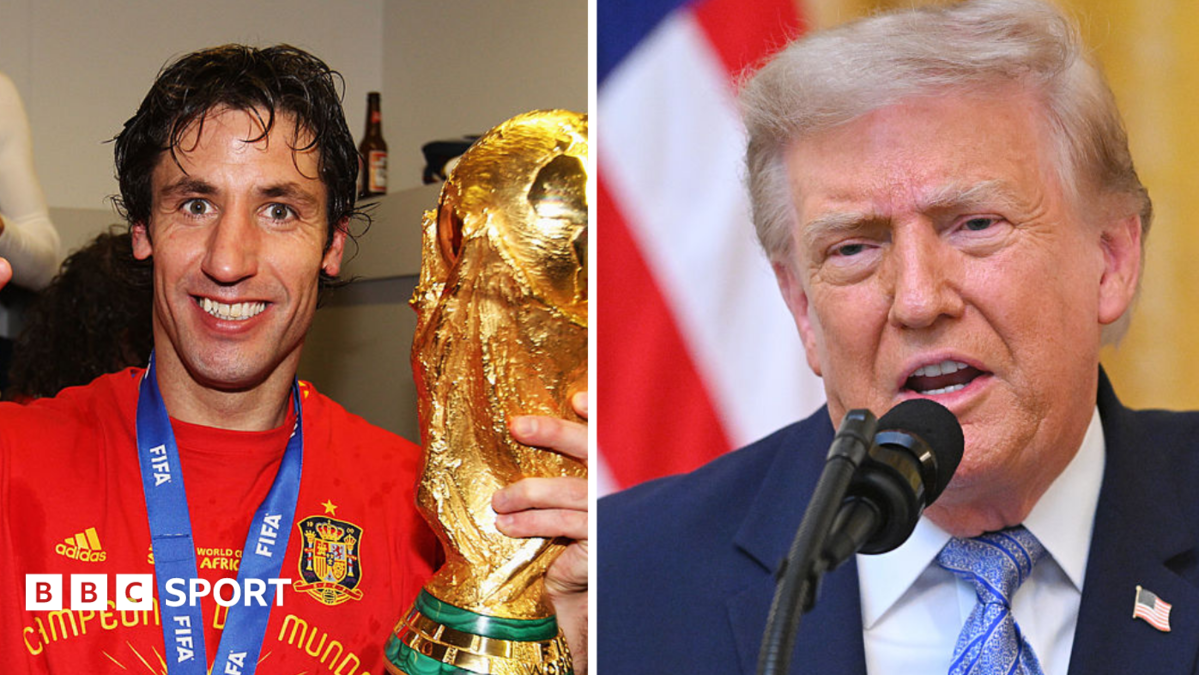
Joan Capdevila is stuck. The former Spain left-back won the World Cup in 2010, but he cannot get into the United States for the 2026 final. According to a report by the BBC, Capdevila has appealed directly to US President Donald Trump for assistance after his visa application was flatly denied.
The kickoff is scheduled for Sunday, July 19, 2026. That leaves less than 30 hours for the administration to clear the red tape. The Spanish veteran was planning to attend the showpiece event as a VIP guest, celebrating the culmination of the first 48-team tournament on North American soil.
Instead, he is stranded in Europe, watching the clock tick down. The rejection has sent shockwaves through the Spanish football community. It highlights the rigid entry requirements that even elite sports figures must navigate to enter the host country.
Capdevila's appeal to Trump is a desperate, last-minute gamble. The US President has the authority to expedite entry or grant waivers under specific public interest clauses. Whether a former footballer's desire to watch a match constitutes a priority for the Oval Office is another matter entirely.
The situation is embarrassing for FIFA. The governing body prides itself on seamless logistics and high-profile guest lists. Having a verified World Cup winner turned away at the border is a bad look for a tournament designed to showcase global unity.
The 2010 Champion’s Credentials
The blue-collar hero of Spain's golden era
For younger fans, Capdevila is the unsung anchor of Spain's most dominant era. While Xavi, Andres Iniesta, and Iker Casillas grabbed the global headlines, Capdevila quietly locked down the left flank. He started every single game during the historic 2010 campaign in South Africa.
He was the ultimate utility player in a team of superstars. At the time, he was playing his club football for Villarreal. He stood out as the only starter in the final who did not play for Barcelona or Real Madrid.
His career spanned over 15 years with notable stints at Deportivo La Coruña and Espanyol. He accumulated 60 caps for Spain, scoring 4 goals. He was a trusted soldier for Vicente del Bosque, providing defensive balance to an otherwise top-heavy side.
Now, that storied resume is not enough to satisfy the Department of Homeland Security. The US visa application process is notoriously strict, requiring extensive documentation and background checks. A minor administrative error or an outdated passport detail can trigger an automatic system rejection.
Sources close to the Spanish federation suggest the denial was unexpected. Most retired players of his caliber receive expedited processing for major events. In this case, the system showed no favoritism, leaving the former defender stranded.
The Political Play and Tournament Logistics
A high-stakes PR problem for FIFA and the US
This is not the first time international sports figures have run into the American visa wall. Throughout the preparation for this tournament, multiple team staff and media members reported delays. The sheer volume of visitors has overwhelmed consular services.
But Capdevila is the most high-profile casualty so far, as BBC Sport first reported. His decision to take the issue public via a direct appeal to the White House shows his frustration. It also raises questions about how the US plans to handle future global events like the Olympics.
Trump’s response remains the wild card. The President has previously intervened in high-profile sports matters, particularly when they involve major international broadcasts. A quick signature could resolve the issue, but the window is closing fast.
Critics will argue that Capdevila is seeking special treatment. Thousands of regular fans have had their travel plans ruined by visa backlogs this summer. A former athlete jumping the queue because of his celebrity status is bound to draw domestic scrutiny.
Yet, from a sporting perspective, his absence is a blow to the pre-match celebrations. FIFA traditionally invites past champions to participate in the closing ceremony. Capdevila was set to join a delegation of Spanish legends in the VIP boxes.
The Final Countdown
The ticking clock before Sunday's kickoff
The final is set to take place at MetLife Stadium in New Jersey. The venue is preparing for a capacity crowd of over 80,000 spectators. Security is tight.
The Spanish national team is not in the final, but their presence looms large. The legacy of their tiki-taka dominance still influences modern coaching tactics. Capdevila’s era defined how contemporary full-backs are evaluated.
If Trump does not intervene, Capdevila will join millions of fans watching the game on television. It is a humble end to a journey that was supposed to culminate in the presidential box. The Spanish media has already begun criticizing the lack of preparation by the organizing committee.
Spain's football federation, the RFEF, has reportedly attempted to liaise with the US embassy in Madrid. However, consular offices are closed for the weekend, limiting official diplomatic channels. The appeal to Trump via social media and public statements was a tactical decision born of institutional helplessness.
The political reality of the situation cannot be ignored. The US administration has consistently emphasized border security and strict visa compliance. Overturning a denial for a foreign celebrity could conflict with the administration's broader message.
The logistics of the 2026 World Cup have faced consistent scrutiny since the tournament kicked off in June. While the matches on the pitch have delivered drama, the off-field operations have struggled to cope with the scale of a three-nation event. Long queues at immigration checkpoints and transportation bottlenecks have frustrated fans from Munich to Montevideo.
Capdevila's visa issue is the cherry on top of a challenging summer for the organizers. It highlights a fundamental disconnect between FIFA's global ambitions and the domestic security priorities of host nations. If a World Cup winner cannot secure entry, the average fan stands little chance when bureaucracy stalls.
The Spanish media has reacted with predictable outrage. In Madrid, sports dailies have splashed Capdevila's face across their front pages, calling the visa denial a sign of disrespect. They point to his spotless record as a public figure and his status as a sports ambassador.
Meanwhile, Capdevila's former teammates have voiced their support. Several members of the 2010 squad have shared his appeal on social media, hoping to catch the attention of the White House. The campaign has gained traction, but time is the ultimate opponent.
The US State Department has declined to comment on individual visa cases, citing privacy laws. This silence has fueled speculation about the specific reason for the denial. Some speculate it could be a simple administrative mix-up, while others wonder if a past travel destination triggered a red flag.
Regardless of the cause, the clock is the main enemy. Even if a waiver is granted, booking a flight from Spain to New York at the last minute during the busiest weekend of the summer is a logistical nightmare.
The drama surrounding Capdevila has overshadowed some of the pre-match tactical talk. Instead of discussing defensive structures and midfield transitions, reporters are asking officials about visa policies.
The final tomorrow will proceed with or without the Spanish veteran. MetLife Stadium will be packed, the lights will be bright, and a new champion will lift the trophy. But for Capdevila, the match will always be associated with a frustrating bureaucratic barrier.
His appeal represents a fascinating intersection of sports, politics, and celebrity. It tests the limits of presidential intervention in routine administrative matters. More importantly, it serves as a warning for future international tournaments hosted in North America.
If the United States wants to remain the premier destination for global sporting spectacles, it may need to streamline its entry procedures. Otherwise, the tournament risks alienating the very stars who built its history. For now, Capdevila's fate rests in the hands of a single post or phone call from the White House.
Read Next
- FIFA scrambling at White House as wildfire smoke threatens World Cup final
- Infantino sold the soul of the World Cup for access he doesn't need
- Spain must survive the dark arts to claim world glory
- Argentina's Falklands banner stunt has turned the World Cup into a circus
- 🏆 World Cup 2026 — Full Coverage Hub