
Infantino sold the soul of the World Cup for access he doesn't need
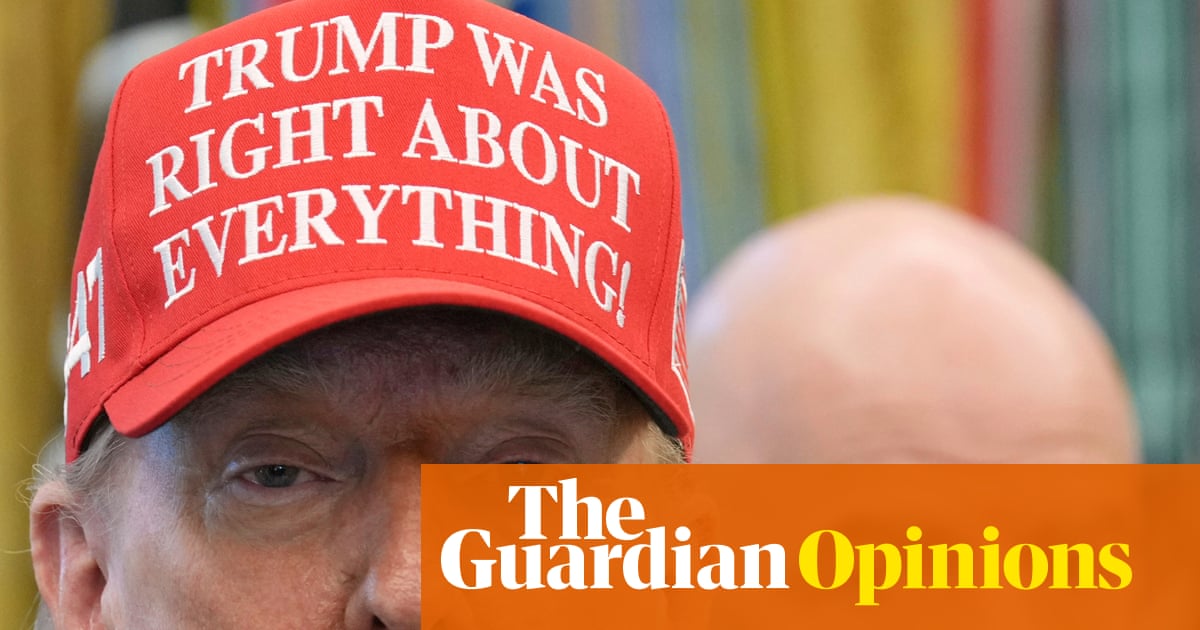
The Faustian bargain in Atlanta
Gianni Infantino has spent the better part of three years maneuvering through the hallways of power in Washington. The 2026 World Cup was meant to be his crowning achievement, a golden ticket into the center of American soft power. Instead, the events of the last week have exposed a fundamental miscalculation by the FIFA president.
By tethering his personal reputation and the organizational credibility of FIFA to Donald Trump, Infantino has effectively turned a global sporting platform into a clumsy political prop. The decision, documented extensively by The Guardian on July 18, 2026, ignores the reality that football commands its own authority. FIFA did not need to supplicate itself to local political figures to ensure the success of a tournament already guaranteed to bring in $11 billion in record-breaking revenue.
Tactical drift from the boardroom to the pitch
It is difficult to reconcile the clinical precision we see on the pitch with the chaotic maneuvering behind the scenes. While players like Enzo Fernández are currently playing for a Chelsea exit due to misaligned tactical expectations, Infantino is playing a different game entirely. His search for influence feels disconnected from the actual product being delivered on the grass.
The contrast is jarring. In the semi-final held recently in Atlanta, we saw the tactical rigor of modern football—the aggressive pressing triggers, the intelligent spacing in the final third, and the high pass completion rates that define elite international play. That match was a masterclass in sport, yet Infantino seems more interested in the optics of the VIP box than the tactical evolution happening beneath him.
The cost of administrative hubris
Infantino’s strategy is reminiscent of clubs that overspend on marquee signings while ignoring their youth development. He is buying proximity at the cost of long-term institutional neutrality. When the dust settles on the 2026 final, the history books will remember the goals and the brilliance of the athletes, but they will also categorize this era as a period of institutional decay.
We already see the spillover effects in the transfer market. As clubs like AC Milan attempt to navigate a landscape where the economic gap between elite English sides and the rest of Europe is widening, they rely on FIFA to provide a fair framework. When the governing body is viewed as a political actor rather than a neutral arbiter, that framework loses its legitimacy.
The danger of political alignment
The danger is not just theoretical. When an administrative leader embeds themselves within a specific political machine, they force every participating nation to take a stance. It creates friction where there should be focus. The game should be the primary narrative, not the private meetings between Gianni Infantino and American political leaders.
Football is the world's most popular sport precisely because it operates outside of traditional national political boundaries. By inviting this interference, Infantino has wounded the very credibility he spent years trying to polish. He has traded the long-term health of the institution for short-term political relevance that serves no one but himself.
A missed opportunity for leadership
Leadership in international sports requires a degree of insulation from local politics. Instead of cultivating this, Infantino has sprinted toward the light of the cameras. He has transformed a sporting authority into a political lobbying firm.
The results will be measured in the erosion of trust. When the next major decision is made—whether regarding host selection for future tournaments or financial regulations—the fanbase will look at every board resolution with skepticism. They will wonder if the decision was made for the benefit of the sport or to satisfy an alliance made in a back room in Washington. That is the true, lasting damage of this tenure.
Read Next
Adidas Unisex-Adult MLS Club Lge Soccer Ball
Train like the pros with this high-quality training ball.
Frequently Asked Questions
What is the primary criticism of Gianni Infantino regarding the 2026 World Cup?
Why does the article argue that FIFA does not need political support?
How is Infantino's leadership style compared to professional football clubs?
What are the potential risks of FIFA aligning with specific political systems?
How does the article contrast the 2026 World Cup's pitch quality with its administration?
More Coverage

Ex-Spurs defender Ramon Vega launches long-shot bid for FIFA presidency
1 week, 2 days ago
Top 10: World Football's Biggest Storylines, Scandals, and Shocks of 2026
1 week, 3 days ago
When even the Swiss abandon you, your FIFA presidency is officially cooked
1 week, 6 days ago
Aleksander Ceferin is right about Infantino, but UEFA has no plan B
2 weeks, 3 days ago
Folarin Balogun transfer picture grows murky after FIFA World Cup row
3 weeks, 2 days ago
Gianni Infantino is backing down after his FIFA privatization plan collapsed
3 weeks, 4 days agoMore Analysis
Ex-Spurs defender Ramon Vega launches long-shot bid for FIFA presidency
1 week, 2 days ago
Top 10: World Football's Biggest Storylines, Scandals, and Shocks of 2026
1 week, 3 days ago
When even the Swiss abandon you, your FIFA presidency is officially cooked
1 week, 6 days ago
Aleksander Ceferin is right about Infantino, but UEFA has no plan B
2 weeks, 3 days ago
Folarin Balogun transfer picture grows murky after FIFA World Cup row
3 weeks, 2 days ago