The shadow of corruption on the pitch
The 2026 World Cup is reaching its climax, yet the narrative feels polluted. We are currently witnessing an environment where the administrative machinations of Gianni Infantino threaten to overshadow the actual football played on the grass. As Jonathan Wilson noted in The Guardian, when doubt permeates the structure of the game, the sport loses its most valuable currency: faith.
Tactically, the referees have been inconsistent throughout the group stages and the round of 16. We have seen a high frequency of interventions that benefit larger nations, creating a perception of bias that is difficult to shake. When the VAR process takes over four minutes to adjudicate a handball, the flow of the match is effectively killed, disproportionately harming teams that rely on high-intensity transitions.
The tactical toll of institutional uncertainty
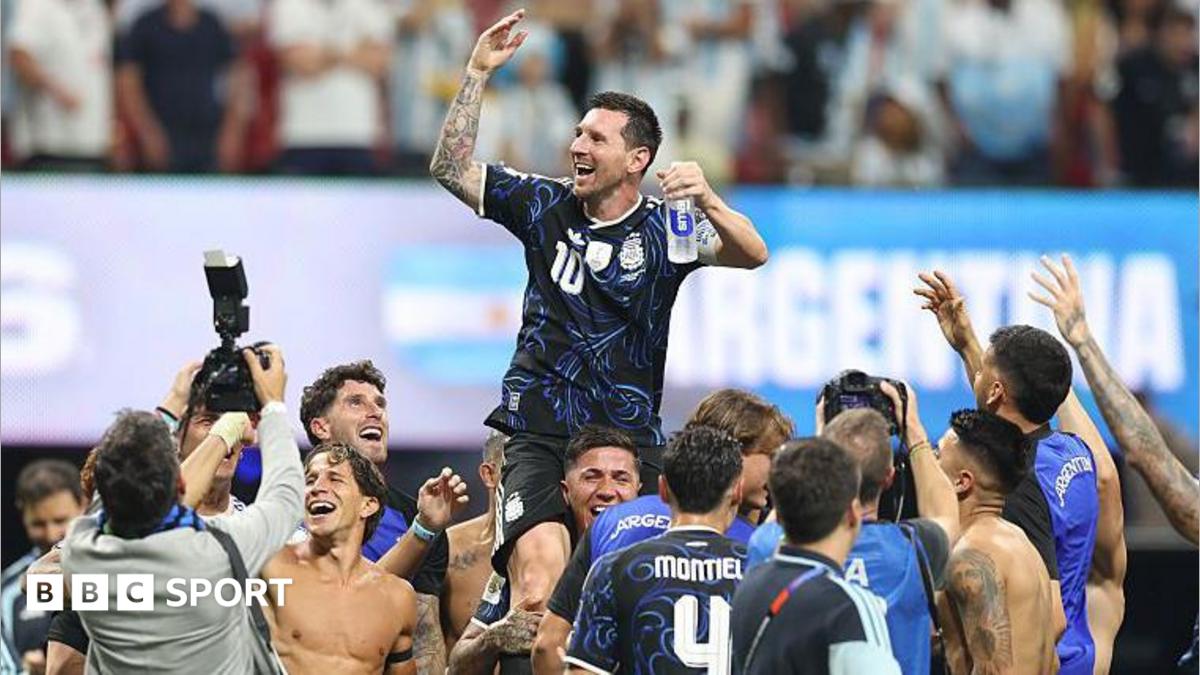
Managers are struggling to prepare their squads when the officiating standards shift between venues. In the recent clash involving Argentina, the lack of spatial discipline allowed by the officiating team led to a disjointed game state. As discussed regarding the fragility of the Argentine defensive line, this inconsistency often forces teams to play deeper blocks to avoid soft penalties, which kills the entertainment value.
We have seen the consequences of these reactive setups, particularly in how teams like Switzerland have exploited the space between the midfield and the defensive pivots. While analysts often praise the tactical flexibility of modern sides, the reality is that many nations are playing for a result rather than a performance because they fear the influence of the match officials.
The five-second rule under pressure
Success in this tournament is predicated on the ability to manage the press. Modern defensive transition, as highlighted in previous sessions with Ruben Amorim's tactical framework, requires ball recovery in five to eight seconds. If teams fail to hit this mark, they are conceding high-quality chances.
My critique of the current semi-finalists lies in their over-reliance on individual brilliance to solve these structural issues. When the press fails, the lack of a coherent secondary structure is painfully obvious. We have seen top seeds concede easy breakthroughs simply because they assume the opposition will be penalized for aggressive tackles in the final third.
Predicting the chaos
Heading into the final stretch, I expect the entropy created by Fifa’s boardroom politics to manifest on the pitch. Expect more controversial calls and fewer displays of genuine technical superiority. If you are a fan expecting a clean tournament, the statistics suggest you are going to be disappointed.
My prediction for the remainder of the knockout phase is that the eventual winner will be the team that manages the referees as effectively as they manage their midfield line. Given their current reliance on favorable officiating, I expect Argentina to advance deep, though their underlying metrics indicate they have allowed 1.45 xG per 90 minutes from open play. That is a defensive profile that normally leads to an early exit in a tournament of this magnitude.
Read Next