The math behind a governing body in freefall
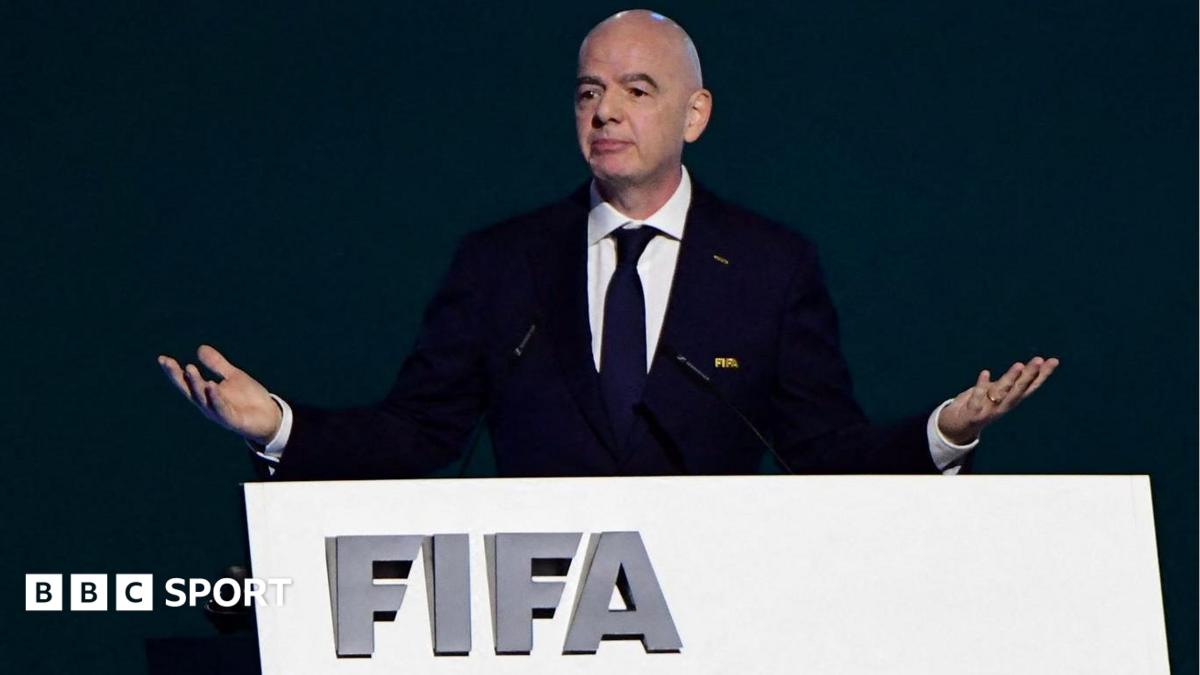
Gianni Infantino is currently navigating a political crisis that makes previous FIFA scandals look like mere administrative errors. The catalyst for this descent is the botched attempt to privatize stakes in international tournaments, a move that alienated the sport's traditional power brokers. With 41 member nations of Concacaf now reportedly reconsidering their support, the internal arithmetic of his presidency has shifted from stable to perilous.
The erosion of institutional support
Historically, the strength of a FIFA president relies on securing the backing of major confederations. When UEFA initially moved to signal non-cooperation, it was viewed by some as an isolated regional dispute. However, as The Guardian reported, the contagion is spreading. The loss of support from North and Central American nations marks a shift that compromises the global mandate Infantino requires to survive.
While Qatar, Morocco, and four other nations have maintained their allegiance, this defensive perimeter is narrowing. The structural reality is simple: without the collective weight of the confederations, the executive office becomes a figurehead operation. The proposal to monetize tournament equity did not just trigger fiscal concerns; it activated a defensive instinct among member nations that view their voting bloc as their primary asset.
The geopolitics of the boardroom
In a surprising turn, external political figures are now openly involved in the governance of football. Reports indicate that the US President has pledged to do everything possible to prevent Infantino's removal. This suggests that the value of the FIFA presidency is no longer measured solely in sporting development or broadcast rights.
"It shouldn't have taken the World Cup private investment scandal for the Football Association to have realised that Gianni Infantino wasn't the right man to lead FIFA."
This reliance on political protection highlights the weakness of the incumbent’s position. If a sitting president requires intervention from heads of state to retain a board-level role, the underlying institutional legitimacy has evaporated. The fiscal strategy of selling off tournament stakes was intended to secure liquidity for FIFA, but it ended up costing the president his internal majority.
The succession logic
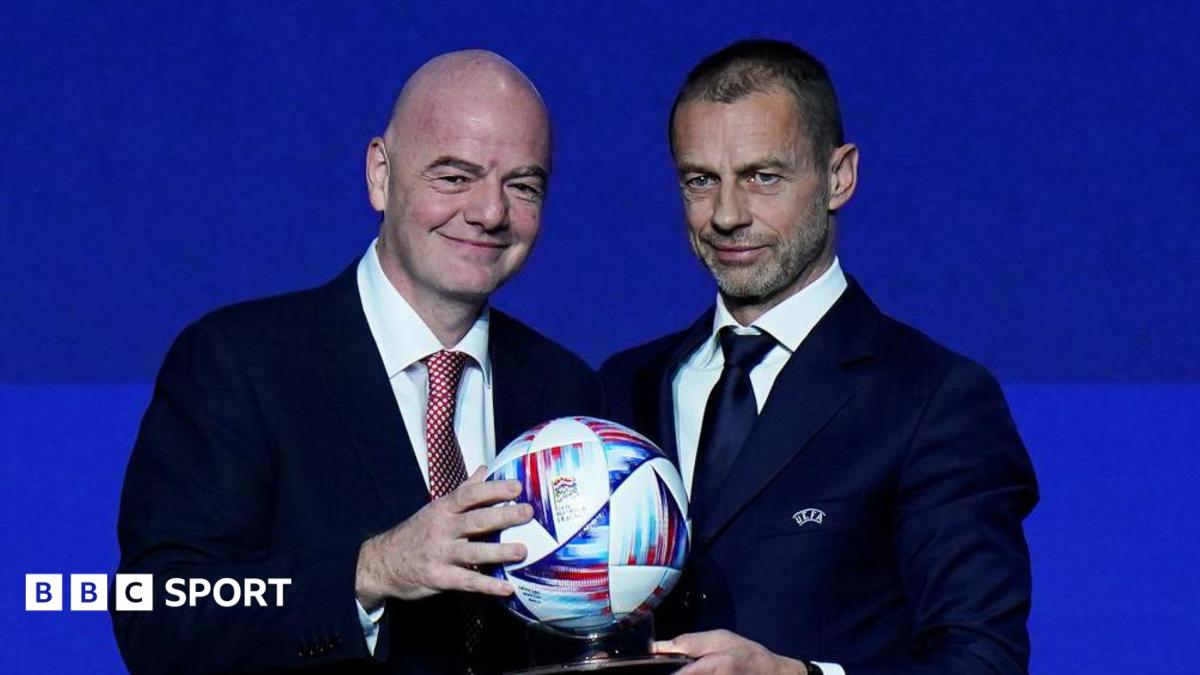
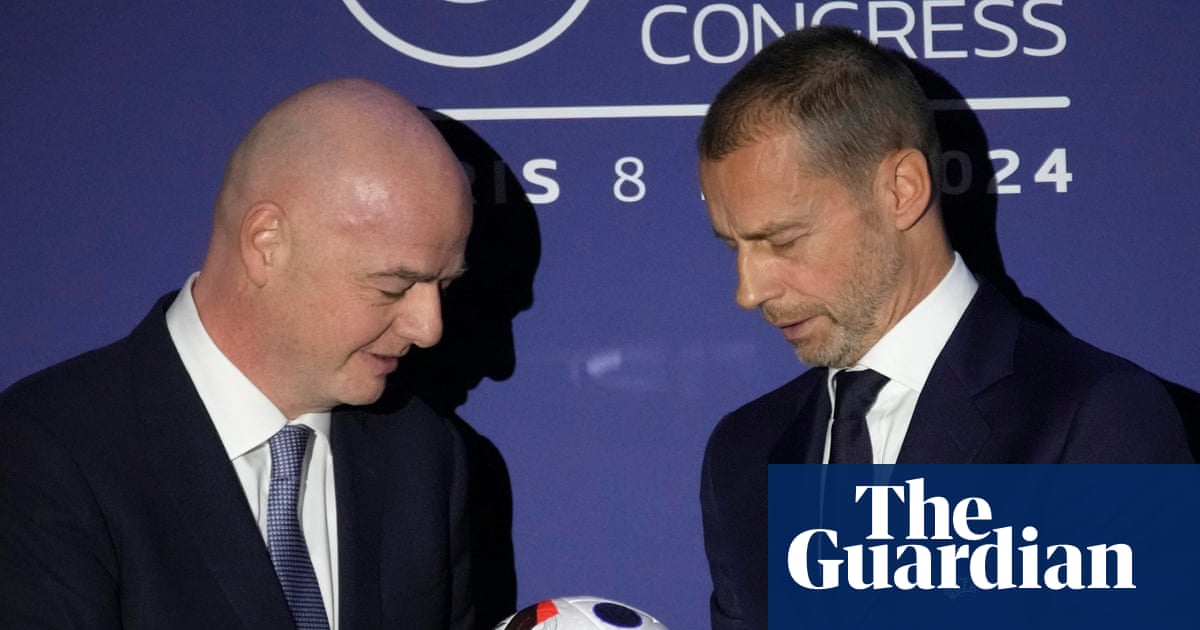
Discussions regarding potential replacements have moved from private corridors to public discourse. Aleksander Ceferin currently leads the betting markets as the favorite to succeed Infantino. Yet, moving from a regional confederation head to the global throne is not a guaranteed success. The transition requires navigating a map of 211 member associations, a task that has historically tripped up even the most seasoned diplomats.
The current state of play suggests that FIFA is heading toward a period of non-cooperation that could halt administrative functions. If major confederations choose to withhold their engagement, the organization risks a 0% operational efficiency rate regarding international reform. The next few weeks will determine whether the president can consolidate the remaining votes or if the organization faces a complete breakdown of its governing structure.