The chaotic aftermath of a surreal 6-4 win
England secured a 6-4 win over France in Friday’s World Cup third-place play-off at the Hard Rock Stadium, but the post-match atmosphere in Miami was decidedly muted. While the result marks England’s best finish at a World Cup in 60 years, critics have already labeled the match a bizarre conclusion to a high-stakes tournament. The fixture itself was a defensive disaster, featuring ten goals and defensive lapses that left observers questioning the tactical discipline of both squads.
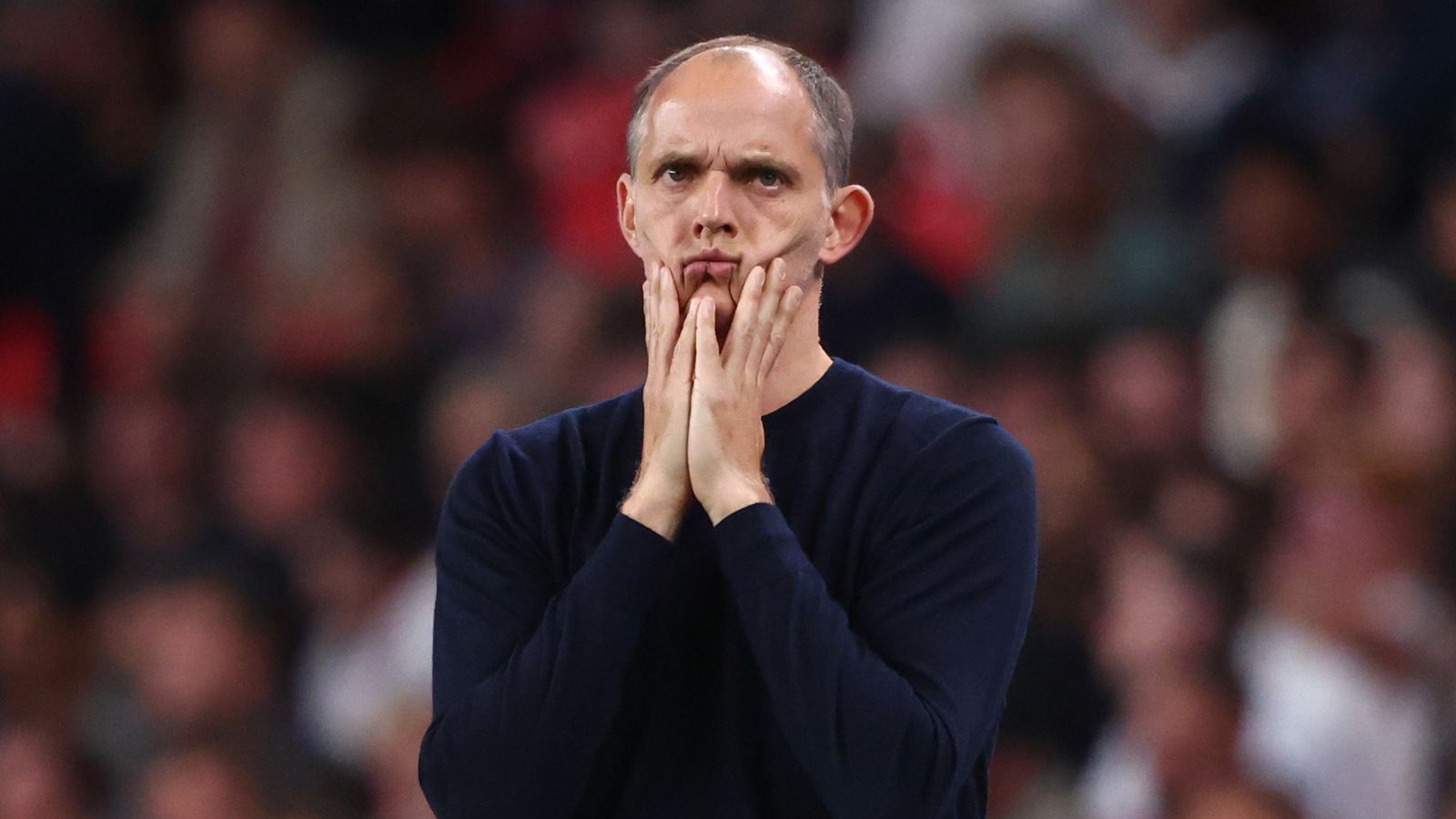
Thomas Tuchel’s side entered the match under heavy scrutiny following a crushing semi-final exit against Argentina just 48 hours prior. Despite the criticism from former Croatia great Davor Suker, who publicly accused Tuchel of “talking nonsense” in his pre-match press conferences, the manager maintained that his side remained focused. The mental fatigue was visible, most notably during an emotional half-time interview conducted by England coach Anthony Barry, which suggested the squad had been pushed to a physical and psychological breaking point during the North American campaign.
Saka’s individual brilliance masks deeper squad fatigue
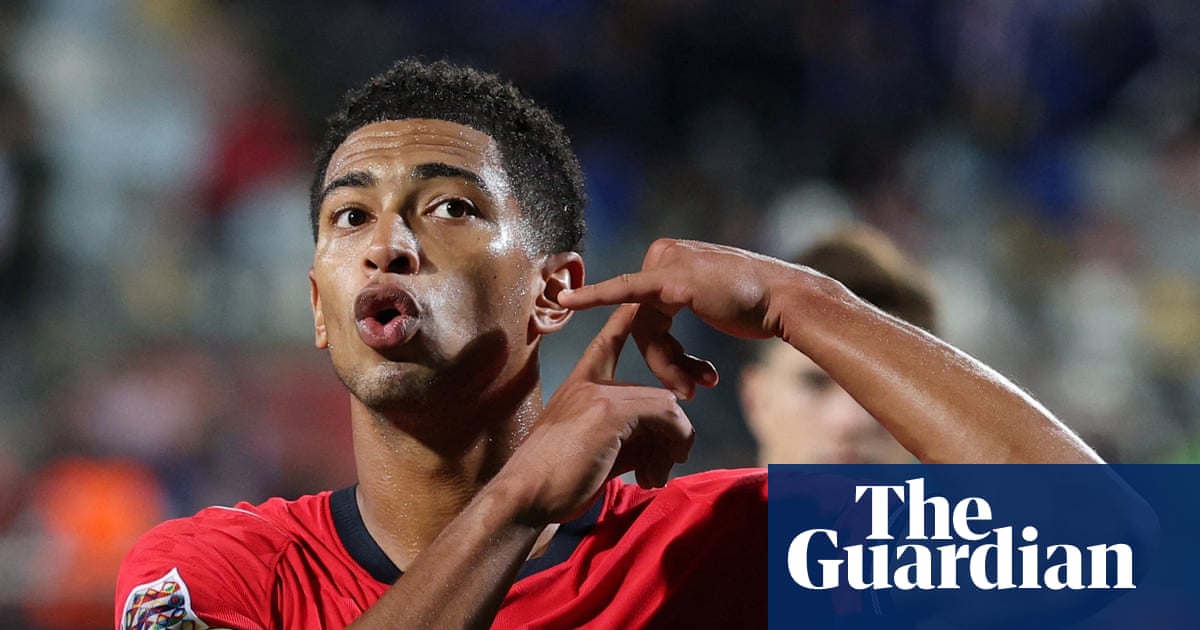
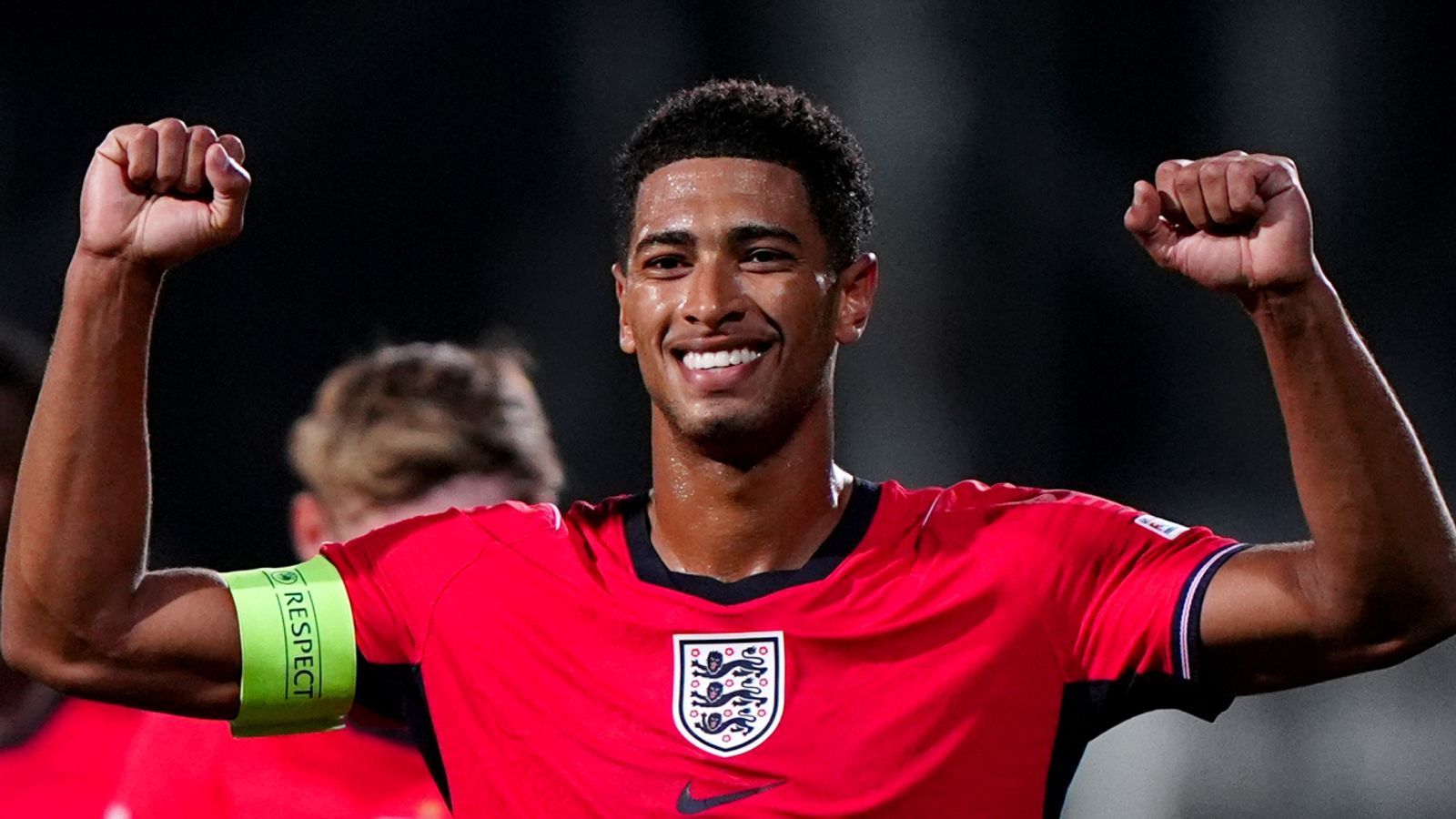
Bukayo Saka provided the only true spark in an otherwise perplexing performance, netting a hat-trick that effectively bailed out England’s backline. The winger’s display was clinical, yet his workload throughout this tournament remains a point of concern for club management. Reports suggest that Arsenal, in particular, remain wary of the heavy minutes their star man logged throughout the summer, heightening fears over long-term fatigue as the Premier League season looms.
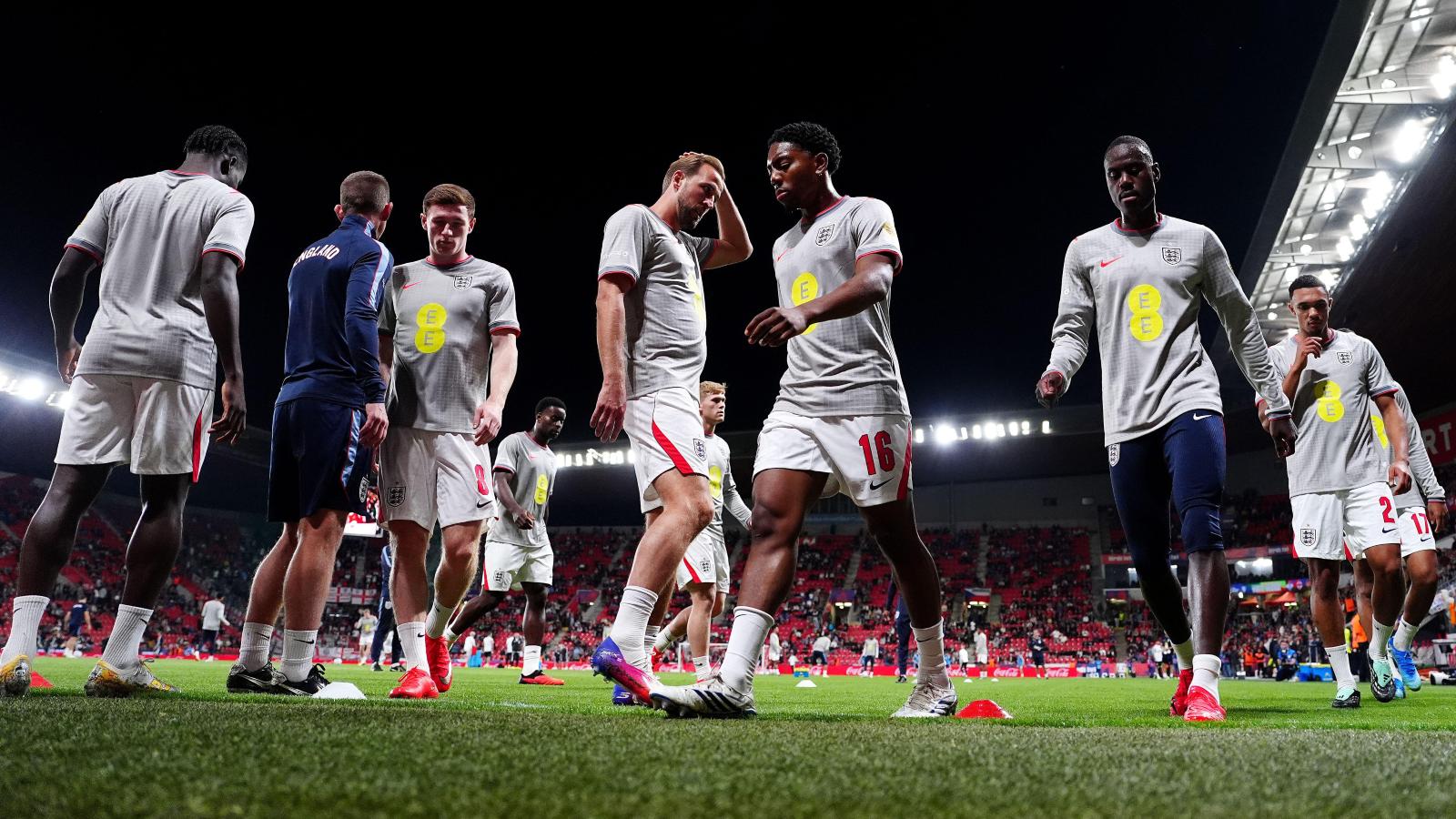
The squad is clearly feeling the cumulative weight of the schedule, with several players reportedly struggling with minor knocks and the general wear associated with a six-match sprint in humid conditions. Remarkably, the team has insisted on gifting their bronze medals to a player not officially named in the 26-man squad—a gesture that underscores the sense of detachment from the official tournament proceedings. While the squad’s camaraderie is clear, it reflects a team eager to exit the bubble and return to club duties.
Strategic implications and structural flaws
The 2026 format, which mandates this extra fixture, continues to invite ire from managers and players alike. Tuchel himself admitted to finding the event difficult to navigate, noting the thunderstorms in Miami and the general apathy surrounding a match that offers nothing more than a symbolic “wooden spoon” trophy. Analysts point to the match as evidence that the current international calendar is overextended, particularly when factoring in the travel requirements across North America.
The match also highlighted a disconnect between the tactical template Tuchel has attempted to implement and the reality of his player pool. While the win might offer a temporary cushion against the criticism Tuchel faced following the Argentina defeat, the defensive capitulation—allowing France to nearly erase a 4-0 lead—reveals a lack of cohesion that could haunt the team during upcoming nations league qualifiers. The volatility displayed in Florida suggests a group that, while talented, lacks the consistency required to compete with elite-tier opposition when the pressure is at its peak.
The cost of the 2026 tournament
Beyond the pitch, the tournament atmosphere remains fractured. As recent reports indicate, tensions between FIFA and local authorities have peaked over the commercialization of match-day assets. With the final between Argentina and Spain approaching in New Jersey, the focus on revenue generation has arguably superseded the sporting significance of the event for many fans. The disconnect between the administrative side of the game and the on-field experience has rarely been more pronounced than it was during the final week of play.
Ultimately, England returns home with a third-place finish that mirrors the success of historical sides, yet the path to that achievement remains open to debate. Whether this performance serves as a foundation for future development under Tuchel or merely as an anomaly in a grueling summer cycle will be determined in the coming months. For now, the players disperse—most returning with heavy legs and a pressing need for a full reset before the club calendar resumes in August.
Read Next
- Bukayo Saka just made Thomas Tuchel look completely ridiculous
- Thomas Tuchel has no time to waste after this World Cup finish
- Tuchel's England selection headache is officially here
- England's 2026 World Cup run was a statistical anomaly
- 🏆 World Cup 2026 — Full Coverage Hub
- 🏴 England World Cup 2026 — Three Lions Hub