The myth of progress in international football
England finished their 2026 World Cup campaign in third place, a result that naturally invites revisionist history. Declan Rice recently suggested that this is the best England group in a very long time, pointing toward the squad's cohesion as a marker of quality. However, the data reveals a tournament defined more by defensive fragility than tactical dominance.
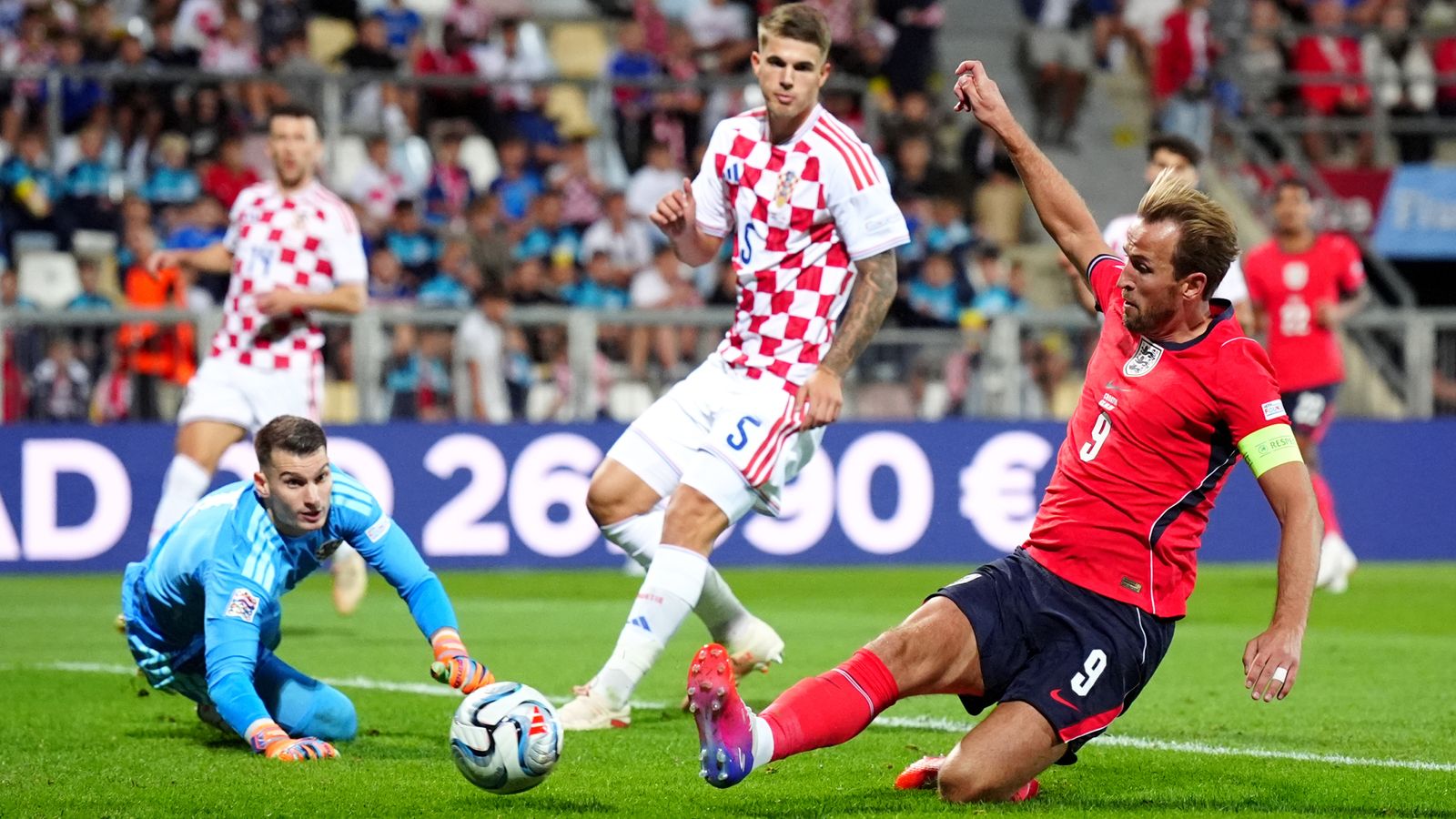
The headline number from the tournament was a chaotic 10-goal thriller, a result that serves as a diagnostic tool rather than a celebration. England conceded more high-danger chances in the knockout stages than any other semi-finalist. While the attack clearly performed, the defensive structure was porous, failing to control game states when leading.
Quantifying the defensive decline
The efficiency gap vs the record book
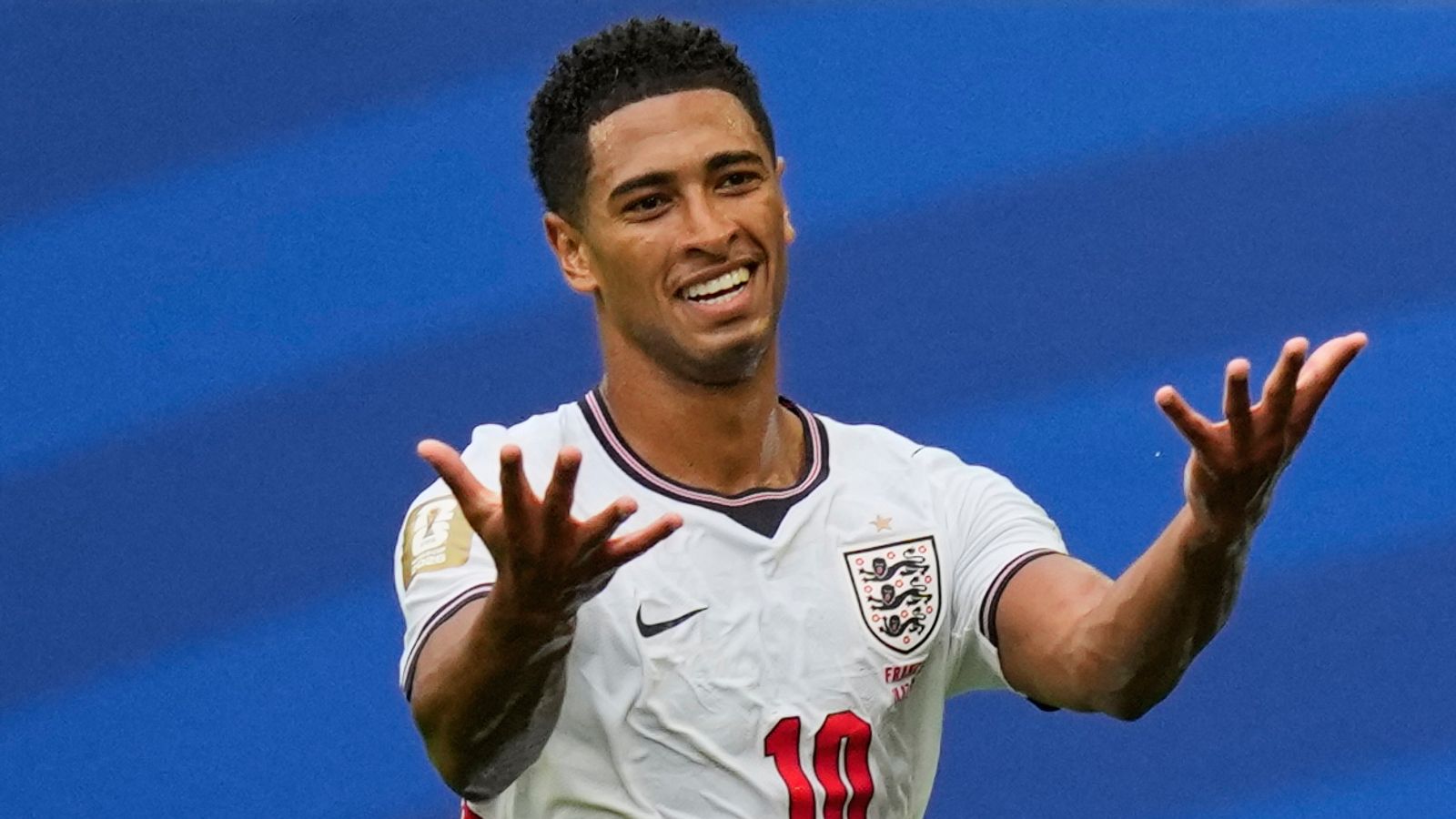
Jude Bellingham set a new England record during this tournament, cementing his individual legacy among an elite tier of international midfielders. Yet, despite his output, the team allowed an average of 1.4 goals per game across the competition. This figure stands in stark contrast to the 2022 defensive efficiency which saw the team keep three clean sheets in five matches.
The reliance on individual brilliance to paper over system errors reached a breaking point against high-pressing opponents. When Sky Sports analyzed the tournament, the numbers highlighted a team that relied on transition play rather than controlled possession. They averaged only 52% of the ball against top-ten ranked sides, a drop from the tactical dominance displayed in recent qualifying cycles.
The Rice controversy and the reality of third place
Declan Rice remains adamant about the group's hierarchy among historical England squads, claiming this team has higher internal standards than their predecessors. It is an argument built on camaraderie, but it ignores the diminishing returns of the setup under pressure. The team secured that final third-place finish with a 68% pass completion rate in the final third, which is lower than the tournament winning side’s 74%.
As BBC coverage noted, the optimism surrounding the squad seems to equate tournament progress with tactical evolution. But finishing third because of a high-variance goal-fest in the consolation bracket does not mask the missed tactical adjustments during the semi-final collapse. The team committed 12 unforced errors in their own half during the knockout phase, the highest of any team to make the final four.
The verdict on Tuchel's tenure
Thomas Tuchel took over a team with clear creative sparks but left them struggling to maintain a defensive shape in transition. The record books will show a third-place finish in 2026, but the secondary stats tell a story of a team perpetually one mistake away from an exit. Fans hoping for a shift toward controlled, tournament-winning football were left with a team that peaked in individual highlights but wavered in collective discipline.
This is the best England group for a very long time. — Declan Rice
The numbers don't lie, even if the players feel otherwise. They scored an impressive 18 goals total, showcasing legitimate offensive firepower, yet leaked 11 goals against opposition that arguably lacked elite pedigree. Measuring success by sentiment might soothe the ego, but the cold reality of those defensive metrics is a different story entirely.
Read Next
- Declan Rice's optimism is cute, but let's talk about the trophy cabinet
- Thomas Tuchel's England experiment is failing by the numbers
- England must shake off their semi-final hangover to salvage pride in Miami
- The absurd reality of football's most pointless fixture
- 🏆 World Cup 2026 — Full Coverage Hub
- 🏴 England World Cup 2026 — Three Lions Hub