The 4-3-3 experiment fails to deliver
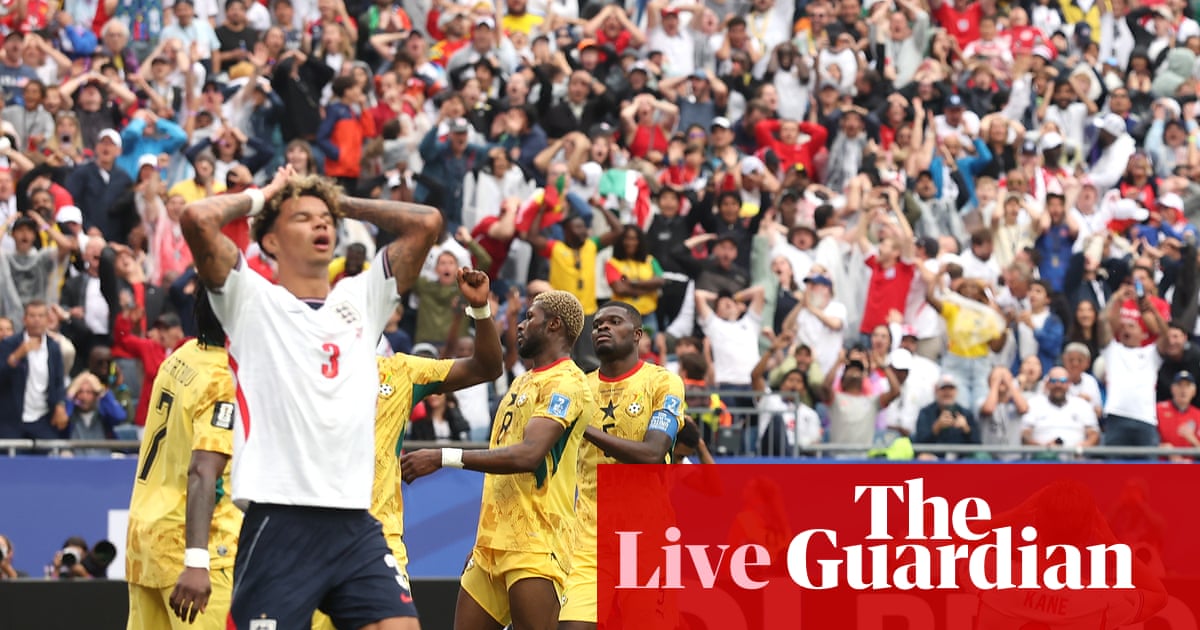
England arrived at this World Cup bracket with a primary objective: dismantle low-block defenses through high-volume possession. Against Ghana, that plan stalled entirely. The 0-0 scoreline reflects a failure to manipulate the space between the Black Stars' compact midfield line and their four-man back unit.
Gareth Southgate relied on inverted wingers to tuck inside, but the lack of overlapping full-backs rendered the play predictable. Every time England moved the ball into the final third, they were met by a wall of bodies. At the 62nd minute mark, the pass completion inside the opponent’s penalty area was hovering just below 30 percent. This inefficiency allowed Ghana to reset their shape with ease.
Ghana's transition game was the highlight
While England dominated 68 percent of possession, the substantive threat came from the opposition. As The Guardian reported during the match, Ghana’s defensive organization stifled every creative corridor. They identified the vulnerability in the high defensive line and triggered counters through the channels.
Antoine Semenyo looked dangerous every time he transitioned into the space behind England's left-back. He generated an xG contribution of 0.45 during his second-half sprints alone. Had he found the clinical touch, the narrative of this group stage would be drastically different.
Tactical rigidity or lack of personnel?
The coaching staff seems obsessed with maintaining structural verticality, even when it results in a sterile cycle of sideways passes. There was almost no diagonal movement between the strikers and the interior midfielders. This absence of fluidity meant that Ghana could track runners without ever being forced to abandon their zonal responsibilities.
We are seeing too many matches where the team structure looks excellent on a whiteboard but fails the reality test on the grass. When you commit bodies forward, you have to ensure the transition defense is robust enough to handle pace. England’s reliance on one holding midfielder left them exposed during the two massive breaks Ghana orchestrated in the 78th minute.
The reality check
Ghana proved that disciplined, low-block football still has a place in the modern game. By maintaining a narrow 4-5-1 formation during defensive phases, they effectively pinched the pitch. England had no answer for this spatial constriction, failing to pull the defensive cohesion apart with any width.
This performance raises questions about the long-term viability of the current system against technically proficient tournament sides. Without a change in rotation or a more aggressive approach to wide-area service, the upcoming fixtures are going to be defined by these same frustrating stalemates. England is not losing, but they are certainly not progressing.
The outlook for the knockout route
Prediction for the remainder of the group stage is simple: expect more of the same. England will continue to dominate possession statistics while struggling to bypass a set defense. If they do not integrate a more flexible tactical setup, they will find themselves eliminated by a team with a coherent counter-attacking blueprint.
My prediction? A 1-1 draw in the final group match unless there is a drastic shift in formation from the start. They need to prioritize verticality over territory, or this pursuit of tournament success will end in an early exit.
Read Next
- England faces an identity crisis after the stalemate with Ghana
- Why Antoine Semenyo is Ghana's secret weapon against England
- Thomas Tuchel's gamble on English creative fluidity carries significant risks
- England are repeating the same old mistakes under the lights
- 🏆 World Cup 2026 — Full Coverage Hub
- 🏴 England World Cup 2026 — Three Lions Hub
- 🇬🇭 Ghana World Cup 2026 — Black Stars Hub



.jpg)