The statistical variance in England's attacking efficiency
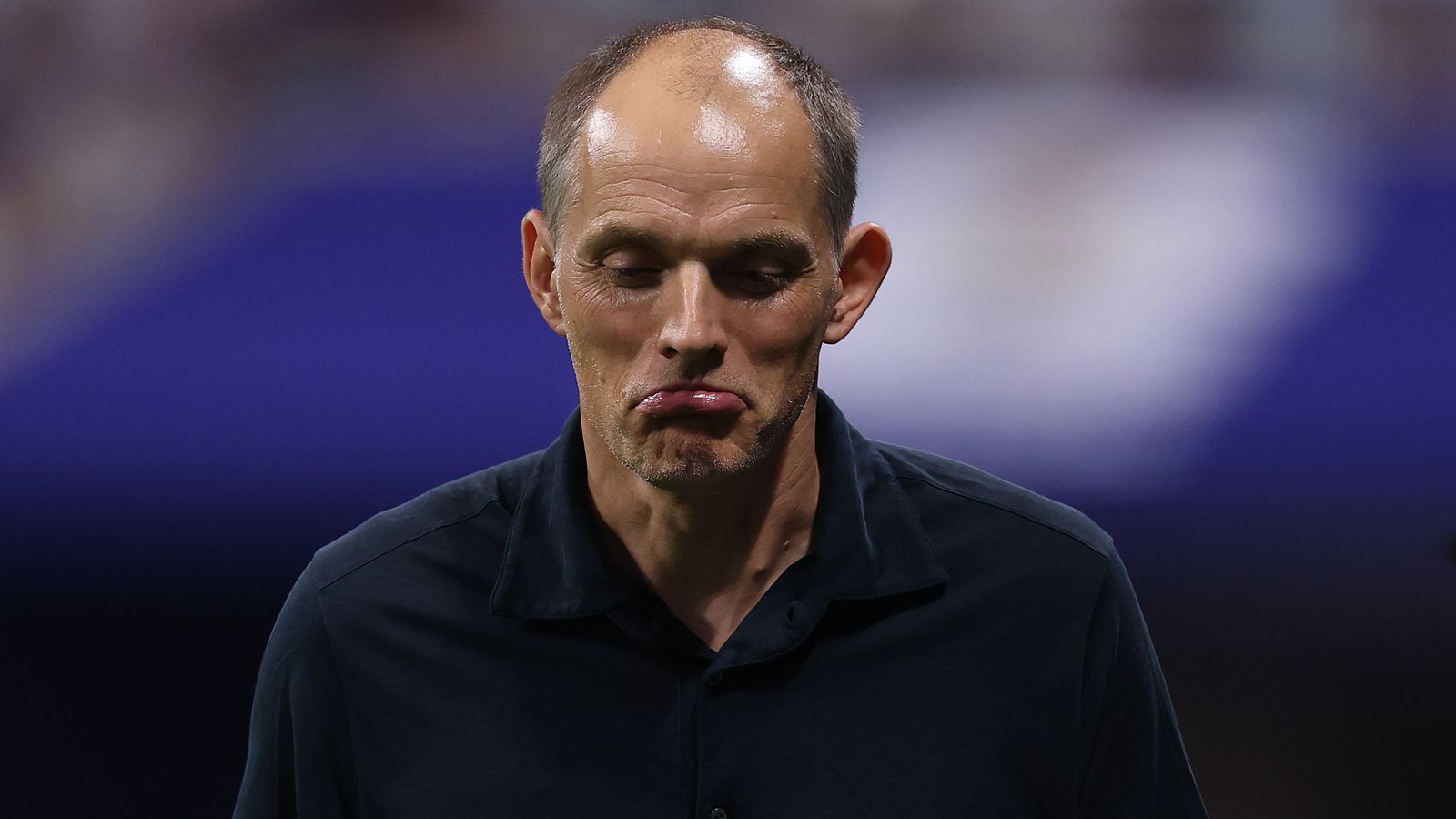
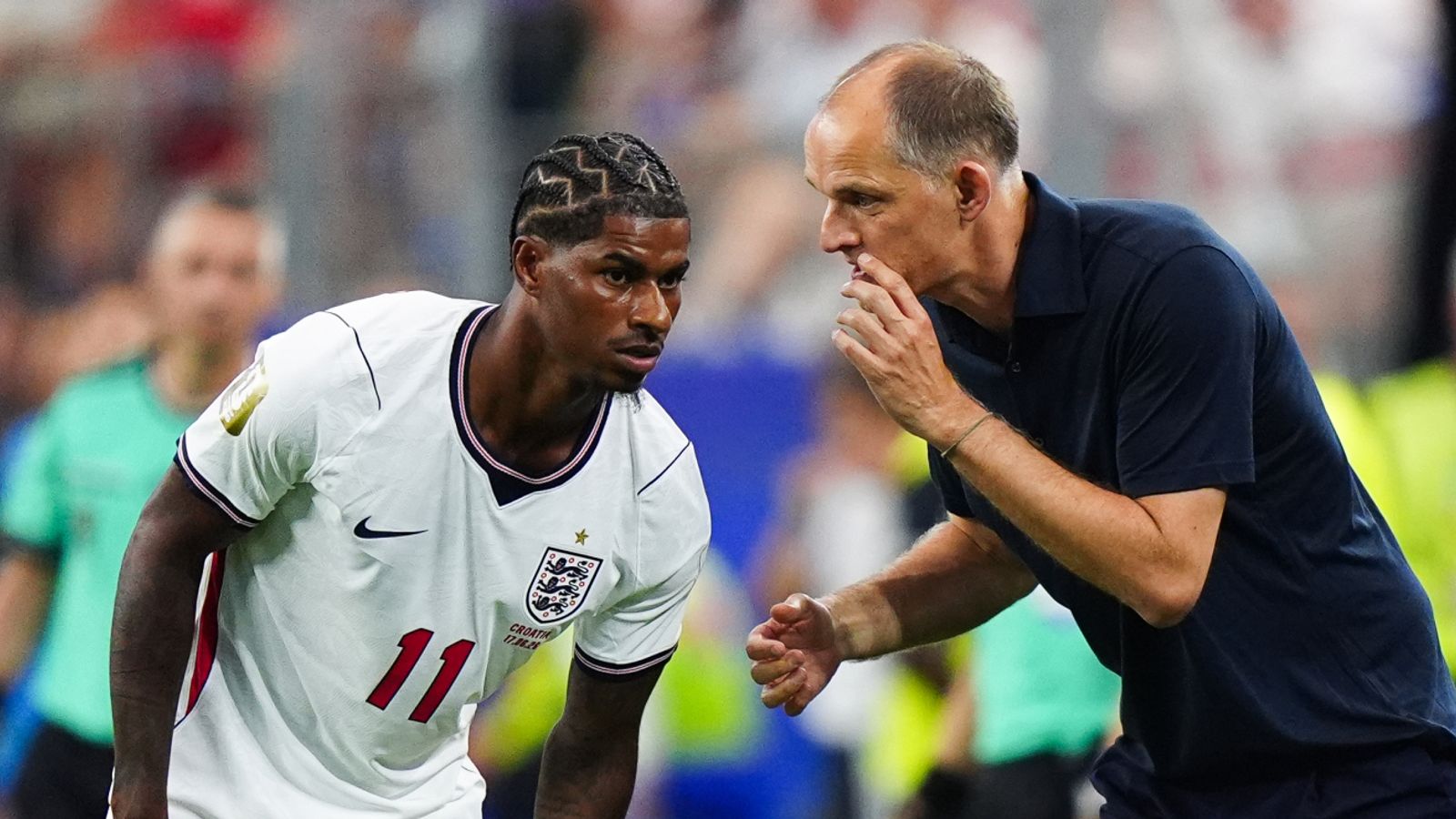
Thomas Tuchel recently claimed he has granted England’s forwards unprecedented freedom within his system. However, the data from the early stages of the 2026 World Cup paints a picture of a team struggling to reconcile individual expression with cohesive structural integrity. During the group phase, England recorded an expected goals (xG) output strictly dependent on high-volume shooting rather than high-quality shot location.
The squad averaged 16.4 shots per match, yet the average xG per shot sat at a remarkably low 0.09. This suggests a tendency to recycle possession into speculative attempts from distance once the low-block resistance of opponents remains unbroken. When compared to the Gareth Southgate era, where ball progression relied heavily on controlled wide rotation, the current iteration under Tuchel favors abrupt verticality that frequently leads to turnovers.
Midfield isolation and the turnover dilemma
Analyzing the central pivot metrics
The tactical trade-off involves pushing creative assets into advanced pockets, often leaving the central defensive midfielders exposed during defensive transitions. Ball recovery data reveals that England loses possession in the middle third at a rate of 12.8 times per 90 minutes. This is a concerning spike from their 2024 qualifying campaign, which hovered closer to 8.4.
As Sky Sports reported, Tuchel insists this freedom is the key to unlocking elite results. Yet, the heat maps show that England's defensive midfielder is forced into 44% more lateral defensive sprints than the tournament average for top-eight teams. The spacing leaves a massive void between the press-line and the back four.
Defining the defensive vulnerability
Opposition counter-attacks against England have resulted in 5.2 high-quality shots per game. For a side harborng ambitions of lifting the trophy, allowing an average of 1.42 xGA (expected goals against) per match against theoretically weaker opposition is a liability. The reliance on individual defensive interventions, rather than collective containment, indicates that the freedom afforded to the attackers is being bought at a high price.
The paradox of the creative license
The most surprising finding is that despite the lack of spatial discipline, England leads the tournament in successful dribbles completed in the final third. They boast a completion rate of 62% in one-on-one scenarios. This creates a fascinating conflict for analysts: the team is arguably the most dangerous in the world at individual creation, yet they are structurally among the most fragile in defensive transition.
Perhaps the most damning figure is the lack of coherent passing sequences leading to goals. Only 18% of England's goals in this competition have resulted from build-up play involving more than five passes. This is a sharp reduction from the 31% established during their previous major tournament run. Tuchel is betting that raw individual talent will outscore the defensive instability his formation induces. Whether that gamble holds up against stronger opposition in the knockout stages remains the defining question of the English summer.