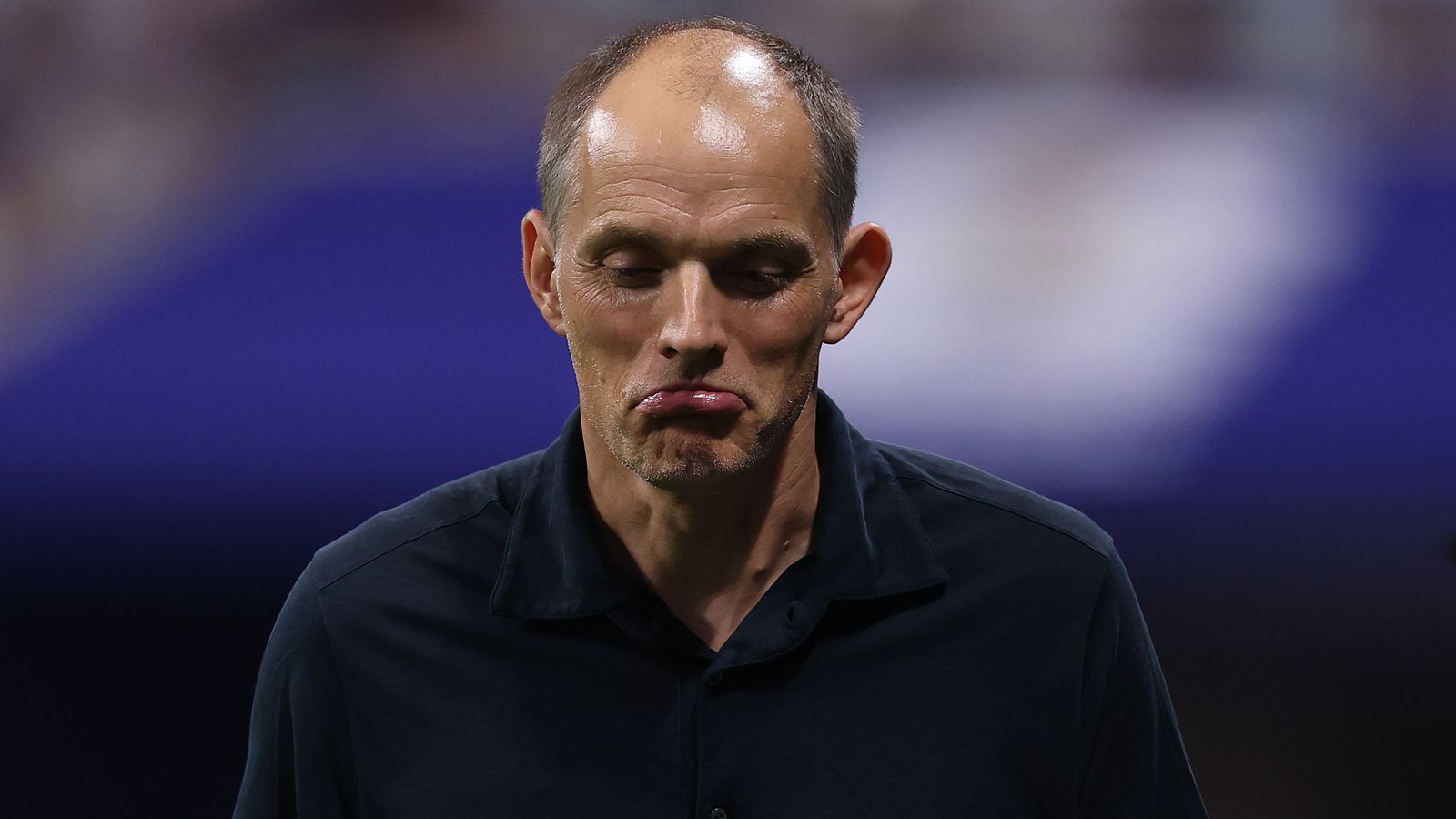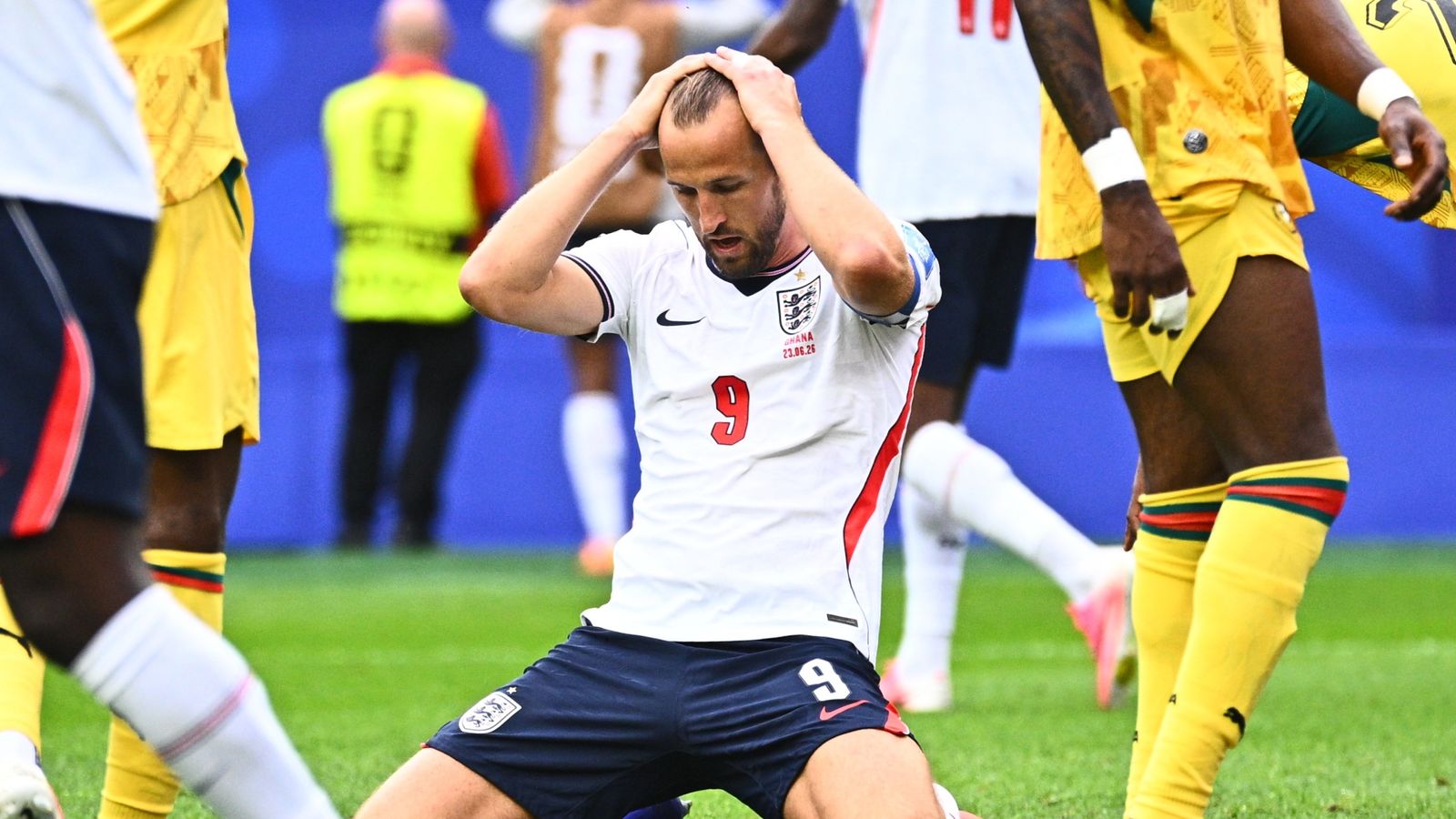
Tactical paralysis at the second hurdle
England’s flat display against Ghana on June 22, 2026, echoed the familiar malaise of previous tournament cycles. A scoreless draw is rarely enough to ignite a campaign, but the lack of verticality in the final third provided a sobering reality check. Gareth Southgate’s side held 58% of the possession, yet their xG languished at 0.72 for the entire 90 minutes.
The midfield pivot failed to break the lines, forcing the ball wide to full-backs who delivered crosses against a set defensive wall. Ghana’s structural integrity, anchored by a low-block 4-5-1, rendered England’s creative hub redundant. When the passing tempo stagnates, the space between the lines closes, effectively neutering any playmaker bold enough to venture forward.
The pressing issue remains unresolved
England’s failure to force turnovers in the opposition half is becoming a chronic injury. The front three struggled to trigger organized traps, allowing Ghana to circulate the ball with ease in the middle sectors. By the 72nd minute, the energy levels dropped, and the defensive transition became increasingly disjointed.
Data from Sky Sports highlights that England averaged only 8.4 passes per defensive action (PPDA), a metric indicating a lethargic pursuit of the ball. This is not just a personnel problem; it is a tactical hesitation that prevents the squad from establishing dominance over lower-ranked opponents. If the pressing intensity does not escalate, the upcoming knockouts will expose this lack of defensive aggression.
Strategic pivots heading toward the final group match
Expect personnel changes for the next fixture. The current iteration of the midfield lacks the requisite grit to transition from defense to attack in under four seconds. Playing from the back is a philosophy that requires precision, yet the passing completion rate from the center-backs hovered at a mediocre 82% against Ghana.
The team needs to prioritize interior movement over repetitive wide-channel distribution. Bringing in a deeper-lying playmaker to dictate the rhythm would allow the attackers more freedom to exploit gaps behind the defensive line. Failure to adapt will result in a predictable exit when facing opponents who possess superior counter-attacking mechanics.
Prediction
England will struggle to find their rhythm early, but a late substitution will likely unlock the defense for a narrow 1-0 win. I expect a tighter, more cynical performance where the result takes precedence over the scoreline. Their current reliance on individual brilliance instead of collective movement is a gamble that rarely pays off in later rounds, and this match will prove exactly why they are currently misfiring.
Read Next
- Why Antoine Semenyo is Ghana's secret weapon against England
- England are sleepwalking into a crisis against Ghana
- England cannot afford to sleepwalk through Ghana
- Thomas Tuchel's gamble on English creative fluidity carries significant risks
- 🏴 England World Cup 2026 — Three Lions Hub
- 🇬🇭 Ghana World Cup 2026 — Black Stars Hub