
England survives the tactical grind against Norway
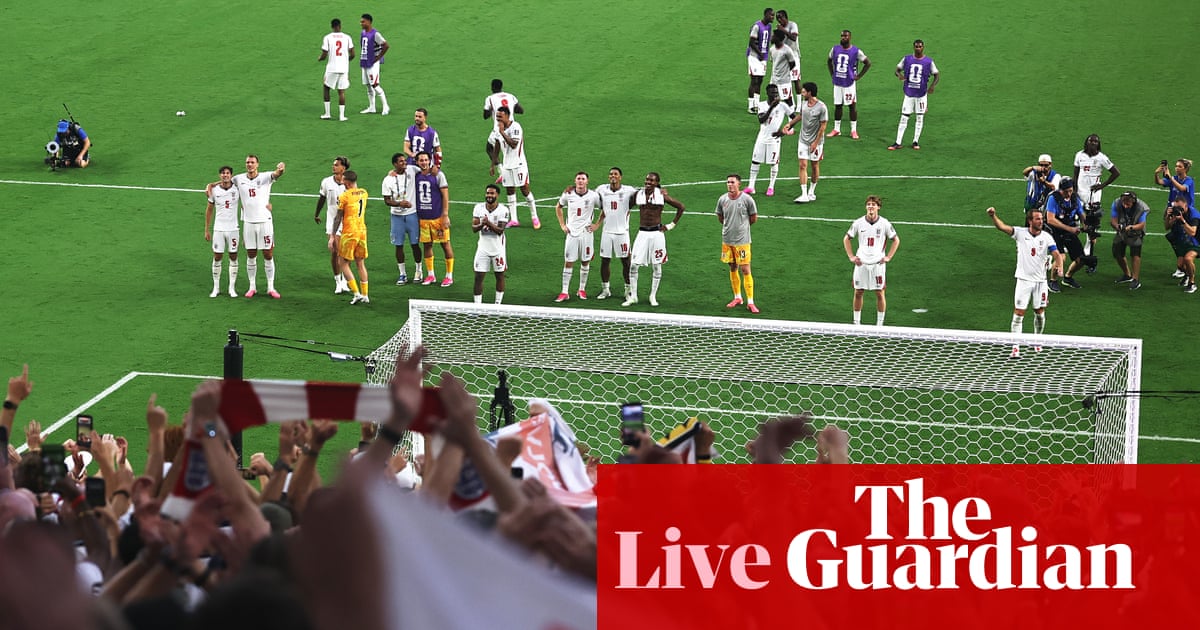
Tactical stalemate in the quarter-finals
Saturday’s quarter-final clash at the 2026 World Cup between England and Norway offered a masterclass in risk mitigation. Both managers approached the match with a defensive discipline that prioritized rest-defense over fluid attacking transitions. England’s reliance on a compact block forced Norway to recycle possession through their center-backs, resulting in a game defined more by spacing than by individual brilliance.
The statistics reflect a grueling tactical battle. As The Guardian reported during the live coverage, neither side managed to generate significant xG in the opening hour. England’s midfield pivot maintained a narrow structure, intentionally congesting the half-spaces to neutralize Norway’s primary engine, Martin Ødegaard. It was a suffocating approach, one that prioritized the integrity of the 4-2-3-1 defensive shape over high-intensity pressing triggers.
The cost of defensive discipline
While the result favored England, the performance highlighted a recurring issue within Gareth Southgate’s tournament philosophy: the reluctance to commit numbers forward even when the opponent invites pressure. England recorded a pass completion rate of 84%, yet the majority of these were lateral movements across the defensive third. It was a sterile, controlled environment that left the capacity crowd restless.
The breaking point finally arrived in the 78th minute. A tactical adjustment to the width of the full-backs pushed the Norwegian defensive line into an uncomfortable narrowness, creating the lanes necessary for the breakthrough. It was the only moment of structural fluidity in a match dominated by static positioning. Relying on late-game personnel switches rather than inherent tactical intensity is a precarious gamble as the bracket moves into the semi-final stages.
The tournament trajectory
Looking at the broader World Cup picture, the quarter-final exit for Norway marks the end of an era for their current golden generation. The inability to penetrate England’s deep press despite controlling 56% of the possession suggests a lack of verticality in their final-third entries. Their reliance on wide cutbacks proved easy to scout, and England’s center-backs cleaned up every low cross with minimal fuss.
As bracketology shifts toward the semi-finals, the questions surrounding England’s lack of creativity against low blocks remain valid. If the opposition chooses to yield the ball entirely, Southgate’s side often struggles to manipulate space. They are efficient at winning, but they are not yet convincing as a dominant force. The reliance on moments of individual transition rather than choreographed attacking patterns is a flaw that superior, more clinical nations will eventually exploit.
The road ahead
Survival is the only metric that matters in knockout football, and England has checked that box with professional efficiency. However, the lack of a secondary gear when locked in a 0-0 stalemate serves as a warning. Success in a tournament often hinges on the ability to shift gears under pressure. Whether this controlled, conservative approach can withstand the pressure of an upcoming semi-final remains to be seen at the tournament's climax.
Read Next
- England finally survived the Haaland experiment and my blood pressure is toast
- England cannot afford to be passive against Norway today
- England's defensive rotation against Norway highlights Southgate's rigid habits
- Why England's defensive crisis gives Norway a golden ticket in Miami
- 🏆 World Cup 2026 — Full Coverage Hub
- 🏴 England World Cup 2026 — Three Lions Hub
- 🇳🇴 Norway World Cup 2026 — Can Haaland Lead the Vikings?
Icon Sports Manchester City FC Official Reversible Scarf
Show your colors on match day with this premium knit scarf.
Frequently Asked Questions
How did England neutralize Martin Ødegaard during the match?
What tactical change led to England’s breakthrough goal?
Why has Gareth Southgate’s tactical approach faced criticism?
What were the primary issues with Norway's offensive performance?
How did the statistics reflect England's game against Norway?
More Coverage

Arsenal face Leeds with Arteta locked in and a point to prove
4 days, 1 hour ago
England fitness report: Trent's return, right-back injury surge, and Spain test
4 days, 7 hours ago
Top 10: World Football's Biggest Storylines, Scandals, and Shocks of 2026
5 days, 1 hour ago
Portugal are finally better off without Cristiano Ronaldo
5 days, 8 hours ago
Michael O'Neill's youth movement is ahead of schedule, but flaws remain
5 days, 22 hours ago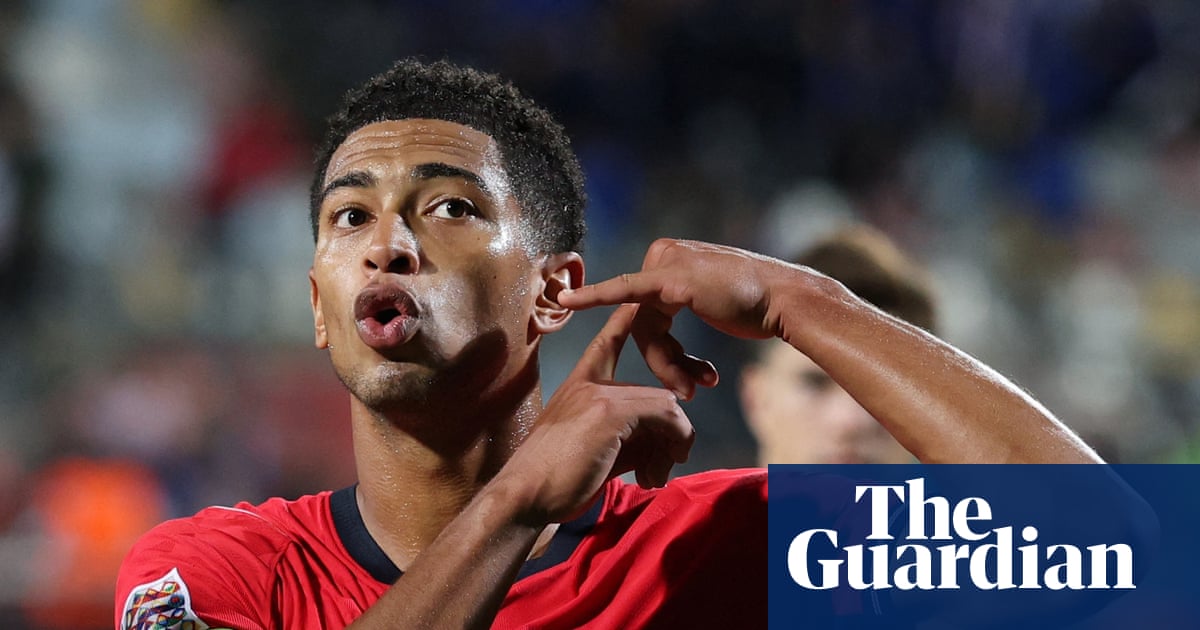
England crush Croatia 7-0 as Lee Gi-hyuk sparks Asian Games draft storm
6 days, 4 hours agoMore Analysis
England fitness report: Trent's return, right-back injury surge, and Spain test
4 days, 7 hours ago
England crush Croatia 7-0 as Lee Gi-hyuk sparks Asian Games draft storm
6 days, 4 hours ago
Northern Ireland Turning Into 2004 Chelsea Is Peak Nations League
6 days, 10 hours ago
Bukayo Saka blew Croatia away, but his real challenge under Tuchel is ahead
6 days, 16 hours ago
Jude Bellingham is already running world football and Real Madrid knows it
6 days, 16 hours ago