
Tuchel targets stability as England medical staff clear the decks
England enter their 2026 World Cup semi-final showdown in Atlanta with a largely healthy squad, though Thomas Tuchel is navigating minor fatigue and tactical soreness following the quarter-final victory over Norway. The Three Lions medical team has confirmed no new long-term setbacks from the previous round, allowing the manager to focus on fitness restoration rather than rehabilitation management.
Reports from the training camp suggest a focus on recovery protocols given the humid conditions currently plaguing the Atlanta host site. While the squad remains physically intact, the high-intensity nature of the tournament has left individual players, including key engine-room personnel, undergoing extra monitored sessions to ensure availability for the 90-minute—and potentially extra-time—battle against the reigning champions.
Saka poised to return to the starting lineup
The movement in the attacking setup appears to be tactical rather than injury-enforced. Following the rotation strategy deployed throughout the tournament, Bukayo Saka is in line to reclaim his starting spot on the wing. As reported by Mirror Football, Saka is expected to replace Noni Madueke in the XI, a decision based on Tuchel's assessment of defensive balance and break-out pace against a high-pressing Argentine transition.
Defensively, the back four faces continued scrutiny as competition for starting berths remains tight. Ezri Konsa, who has started all six matches, has openly discussed the physical toll of a tournament schedule that has reached its critical tipping point. Tuchel is weighing the defensive consistency shown in the last fixture against the need for fresh legs to counter Lionel Messi’s creative influence in the final third.
Weather impact adds physical stress
Beyond traditional footballing injuries, the atmospheric conditions in Atlanta present a genuine performance concern. Severe weather forecasts, including lightning storm risks, have forced stadium officials to issue statements on potential kick-off delays according to recent reports. Such stop-start conditions present a specific threat to the muscle readiness of players who rely on explosive movement, forcing medical staff to adjust warm-up routines significantly.
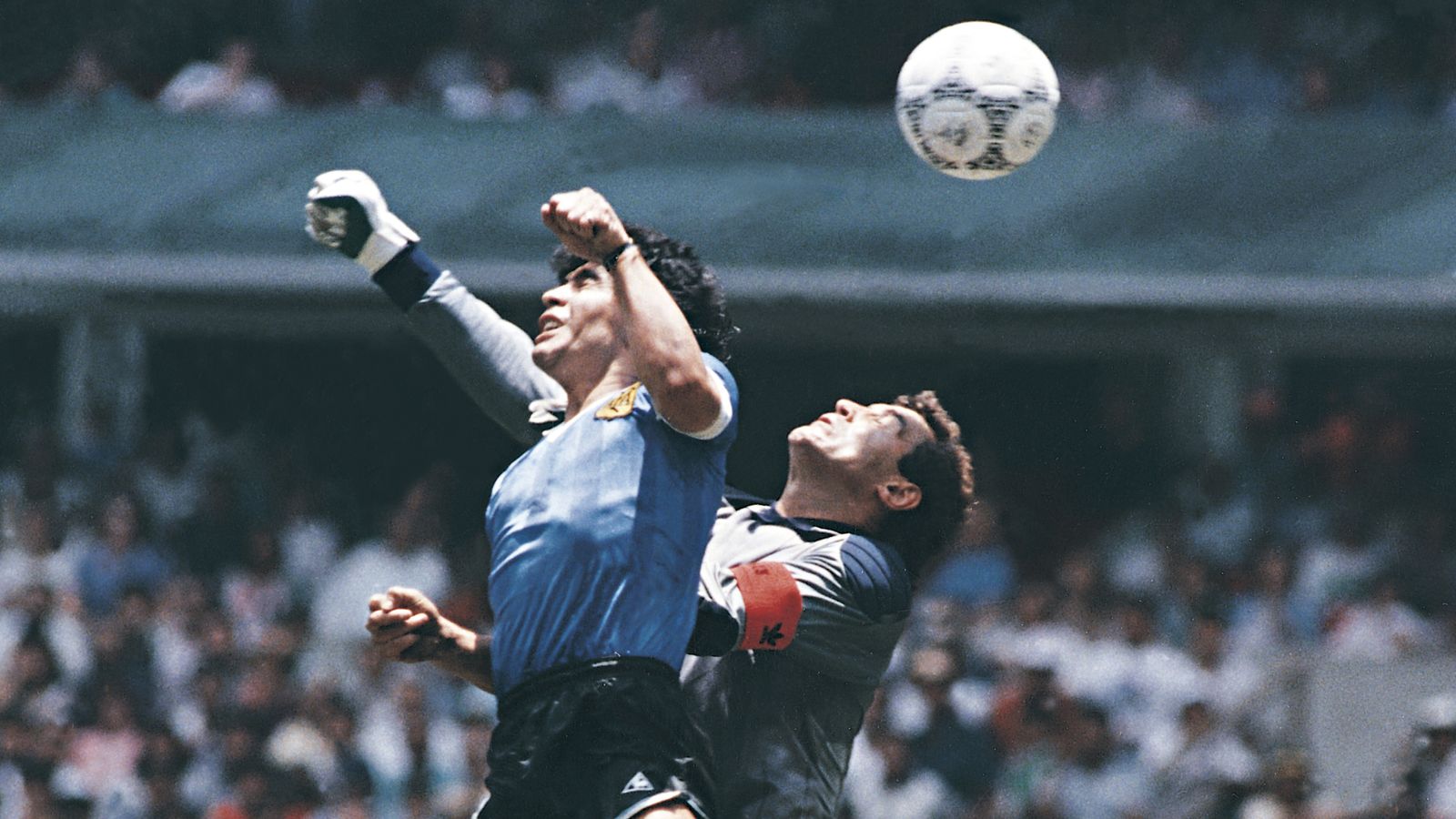
History provides little comfort for the modern Three Lions, as the rivalry with Argentina remains a focal point for intense physical expenditure. Unlike 1998, when a tactical sending-off defined the narrative, today's focus rests on player conditioning. The psychological pressure of this fixture—compounded by legitimate security concerns raised by the FBI regarding fan behavior—often translates into an uptick in aggressive on-pitch tackles, increasing the risk of contact-based trauma.
Strategic risk and the path forward
Tuchel’s insistence on a 'gritty' approach signifies an expectation of a bruising encounter. The manager has publicly stated that Argentina’s emotional volatility will test the discipline of his own unit. While tactical shifts are planned, any reliance on the current core carries the inherent risk of burnout if the match extends beyond the regulation 90 minutes.
The strategic implication is clear: England must avoid early, avoidable fouls that draw the referee into the fray. With Spain awaiting the victor in the New Jersey final, management cannot afford the absence of top-tier talent due to late-tournament fatigue. Avoiding a repeat of past physical breakdowns is the primary objective for the medical staff as they monitor the hydration levels and muscle fatigue of a squad facing its most demanding test of the cycle.
Read Next
- Why Jude Bellingham is the only answer to Argentina tonight
- England vs Argentina: The tactical reality of stopping Lionel Messi
- Lionel Scaloni is dodging the fire before Argentina meets England
- Ezri Konsa injury status: England's defensive scramble before the semifinal
- 🇦🇷 Argentina World Cup 2026 — Defending Champions Hub
- 🏴 England World Cup 2026 — Three Lions Hub
- ⚡ UCL Semi-Finals 2026 — Full Coverage Hub





