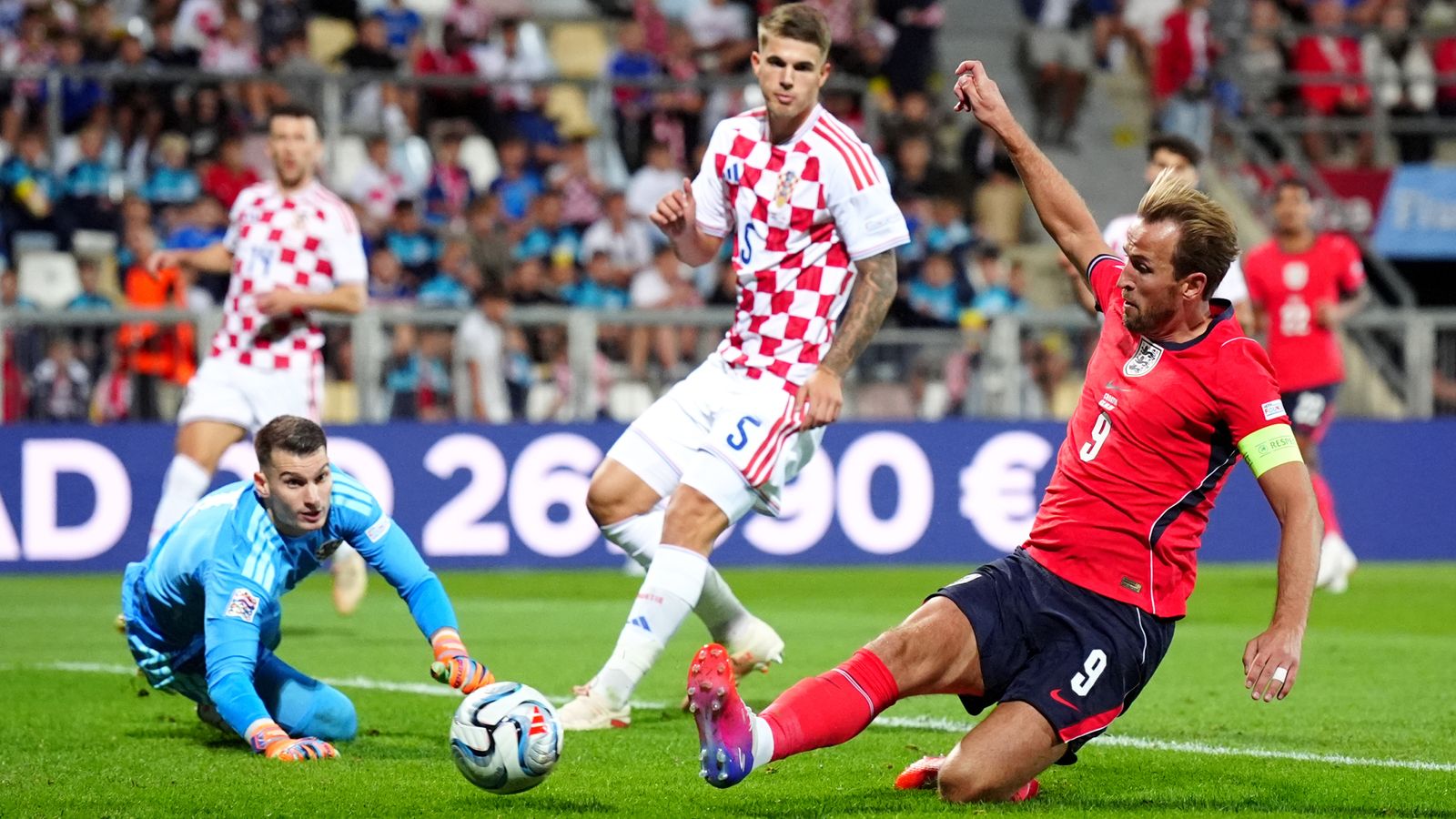
Defensive stability at a crossroads for England
England enters the semifinal round with a defensive headache that could derail the Three Lions' push for the title. Ezri Konsa has logged 540 minutes of action across six consecutive starts, anchoring a backline that has been the backbone of Gareth Southgate’s tournament run.
Late reports from the team hotel indicate the Aston Villa starlet is dealing with a significant fitness concern. The nature of the injury remains closely guarded by the medical staff, but the exhaustion of playing every minute of the campaign is the primary suspect. A heavy workload in a tournament format frequently leads to soft tissue complications or cumulative fatigue-related issues.
The squad depth dilemma
Gareth Southgate is left with a tactical puzzle if Konsa is unable to feature in the starting eleven. While the squad boasts versatility, moving pieces around this late in the tournament disrupts the chemistry developed over the group stages and knockout rounds. The margin for error is non-existent at this stage of the competition.
The current state of the defensive unit is under heavy scrutiny following intense tournament play. As recent reporting on Dan Burn has shown, camaraderie is high, but sentiment does not replace defensive proficiency on the pitch. Relying on squad players to jump into a high-stakes semifinal environment is a gamble Southgate would prefer to avoid.
Historical context and risk analysis
Tournament fatigue is the silent killer of national team ambitions. History is littered with examples of teams that rode a preferred back-four into the ground only to see the structure collapse when a single piece fails due to injury overload. The lack of rotation throughout the group stage, while beneficial for rhythm, has now created a precarious situation.
The logistical demand on players in a summer tournament often masks underlying muscle strain until the final stages. Unlike club football, there is no opportunity to swap in fresh legs through the transfer window or manage load through tactical rotation in lesser fixtures. Once the knockout phase begins, the intensity spikes, and the recovery windows between matches shorten significantly. This puts unprecedented strain on the physiological limits of top-tier defenders.
Strategic implications for the semifinal
If Konsa is sidelined, the strategic approach must pivot toward damage limitation. Keeping the defensive line compact becomes harder without a primary organizer who has spent the entire tournament building a rapport with the goalkeeper and teammates. Opposing attackers will likely target any late-notice replacements during the opening 15 minutes of the match.
The management of injury recovery will be the primary narrative leading up to kickoff. If the staff clears him, he will likely be playing through discomfort. If he is held out, the team must address a lack of familiarity in key zones. Either outcome introduces risk that no manager wants to navigate.
Broader tournament atmosphere
The mood around the squad is strained by more than just on-field tactics. External pressures are mounting as fans and media monitor every update from the training ground. Conversations regarding international sentiment, such as the discourse surrounding player families abroad, further highlight the heightened level of scrutiny on the England camp. Distractions outside of the medical room are the last thing a squad needs when preparing for a semifinal.
The emotional toll of tournament life also extends beyond results. The football world recently paused to acknowledge the tragic personal news regarding Matildas star Kyra Cooney-Cross, serving as a reminder that human elements remain central to these professional cycles. For England, maintaining focus while managing physical fitness remains the final hurdle before the final.
The road ahead
Conservative management of Konsa's injury would suggest a bench role, yet the necessity of a win-now approach often forces players onto the field before they are 100 percent. The decision will be made by the medical team hours before the whistle. Whatever occurs, the 90 minutes in the semifinal will define the legacy of this specific defensive group.
Ultimately, the failure to rotate early in the competition looks increasingly like a strategic error. By leaning entirely on the starting XI, the coaching staff opted for consistency at the expense of squad reliability. Now, with the semifinals approaching, that policy is meeting its moment of truth.
Read Next
- Ezri Konsa injury scare looms over England semifinal
- Thomas Tuchel faces defensive crisis as England injury list grows
- Argentina vs England is setting the locker room on fire
- Why England struggles against the press in their Argentina semi-final clash
- 🏴 England World Cup 2026 — Three Lions Hub
- ⚡ UCL Semi-Finals 2026 — Full Coverage Hub