Behavioral patterns after the tournament climax
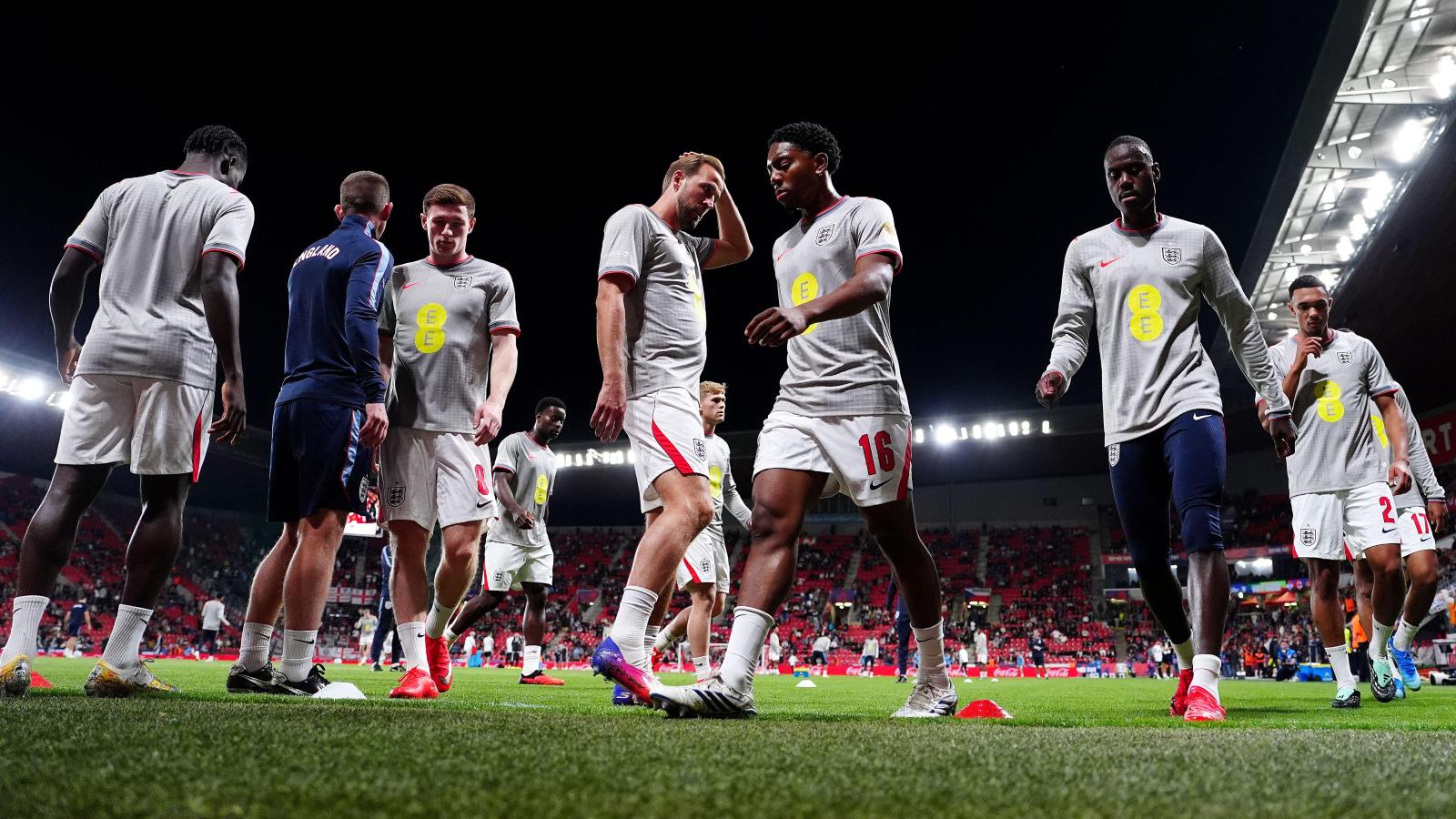
The conclusion of recent major football tournaments has exposed a sharp divide in supporter conduct. While England fans traveling to the United States navigated the competition with minimal incident, reports from domestic police forces indicate a worrying trend of volatility back in the UK. This discrepancy suggests that the environment of a tournament host nation significantly alters the behavioral output of traveling supporters compared to those viewing matches in domestic clusters.
Defining the domestic spike
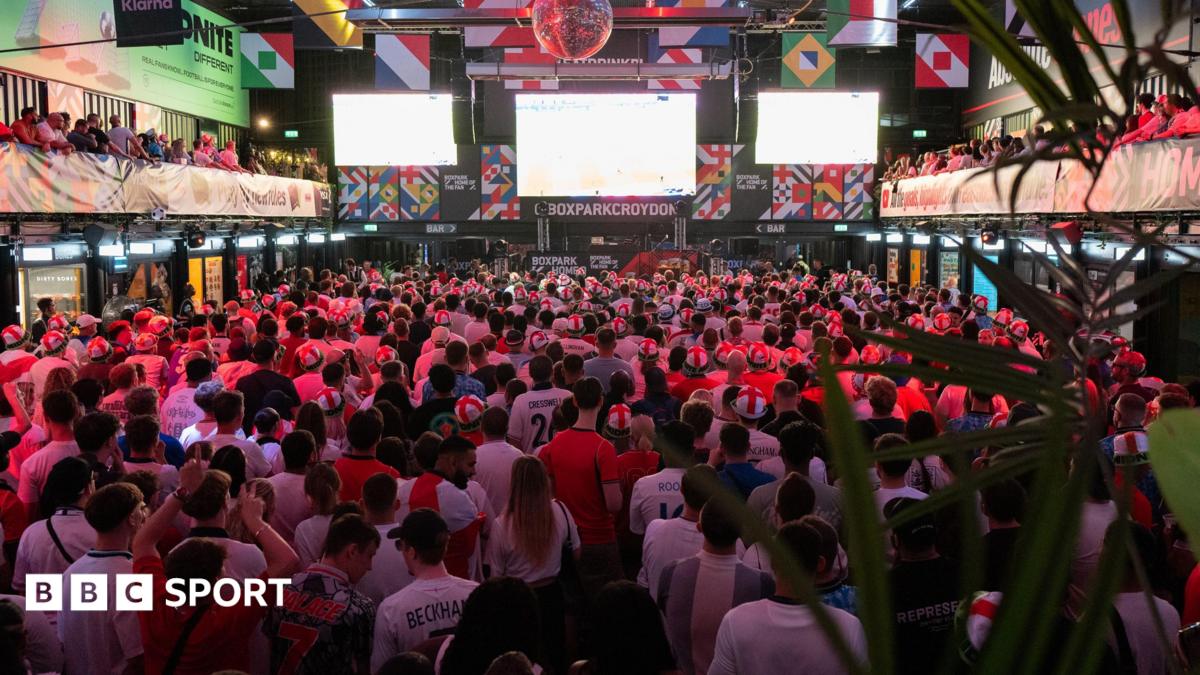
Police authorities have issued a direct plea for calm following a series of incidents over the weekend. Data from the 2026 summer tournament cycle reveals that while instances of disorder were negligible at foreign venues, local disturbances saw a noticeable uptick during the final stages. This pattern is not new, yet it remains statistically significant when compared to previous international windows.
We are seeing a trend where proximity to the action—or the lack thereof—affects collective responsibility. When thousands of supporters congregate in public spaces across Britain, the density of the crowd creates a vulnerability coefficient that police struggle to manage in real-time. By contrast, the structured environment of international fan zones appeared to mitigate external risk factors significantly.
Analyzing the logistical fallout
The contrast in engagement levels between these two groups is stark. In the United States, fans adhered to localized safety protocols, resulting in a cleaner administrative record for the national association. Back home, law enforcement resources were stretched thin, with reports confirming that incidents occurred in multiple major cities concurrently.
This is a resource management problem as much as a social one. The cost of policing domestic fan gatherings has increased by approximately 15 percent compared to the 2024 cycle. When high-tension fixtures conclude, the rapid mobilization of crowds often leads to spontaneous friction points that occur within a 30-minute window of the final whistle.
The plea from the police chief centers on the discrepancy in conduct. Supporters in the United States successfully balanced passion with restraint, whereas home-based fans struggled to maintain order after the tournament concluded. The tactical objective for local authorities is clear: they must find a way to replicate the organizational discipline found abroad within the domestic sphere to avoid further spikes in public order offenses.
Read Next
- Lionel Scaloni is either a pathological liar or the smartest man in football
- Slaven Bilic is back and the Croatia job is tougher than ever
- The internet is losing its collective mind over the World Cup semifinals
- Jamie O'Hara hits back after car ransacked during England's win
- 🏴 England World Cup 2026 — Three Lions Hub