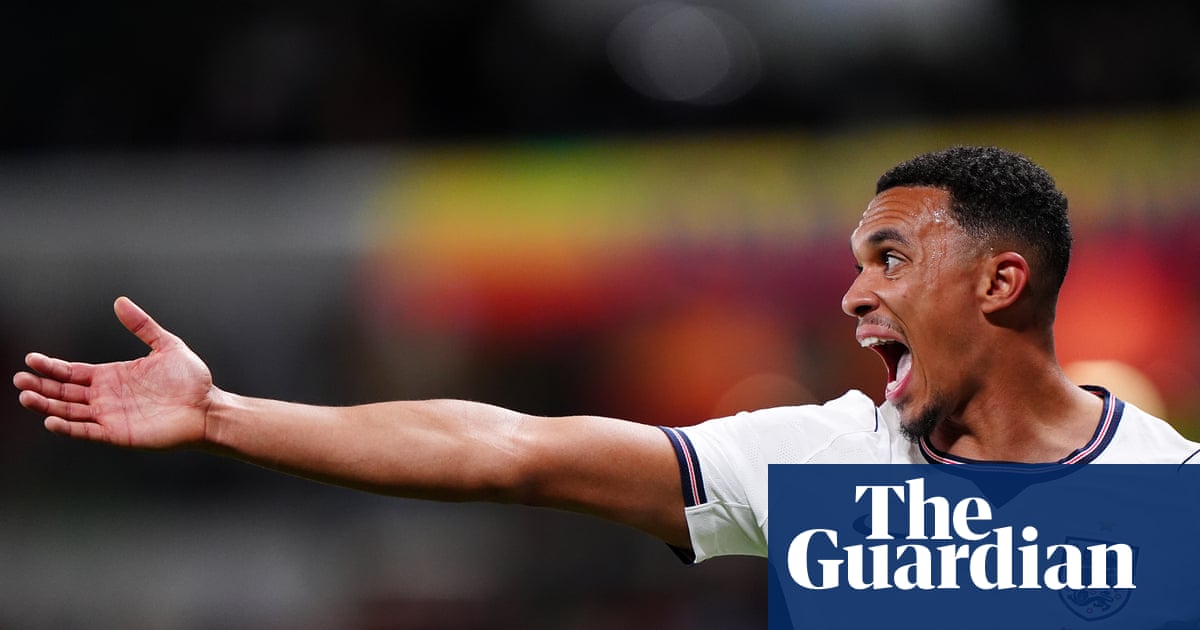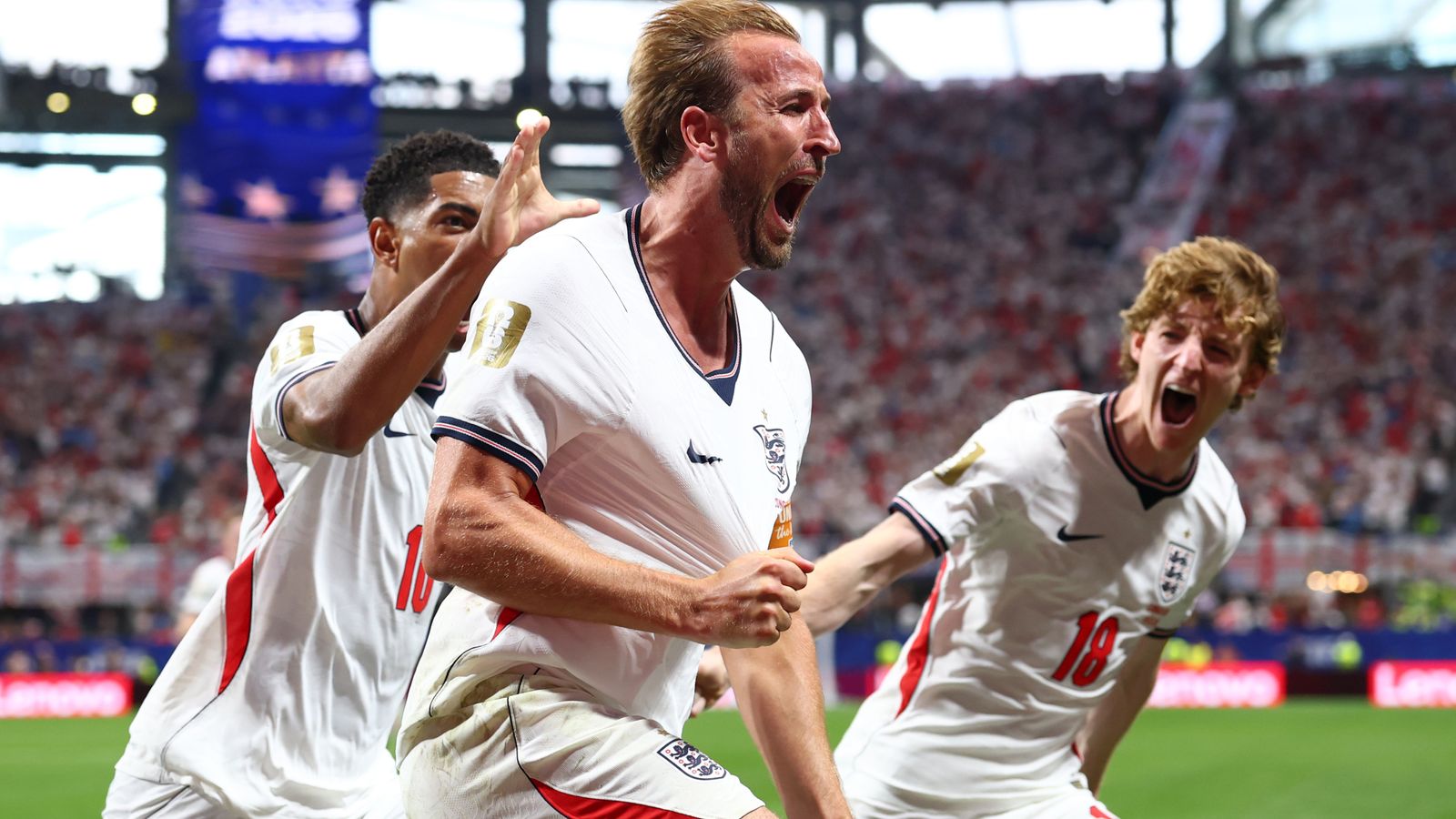
The Illusion of the Matchwinner
England are in the World Cup last 16, but they are playing with fire. The paper-thin veneer of their victory in the Round of 32 masked a deeper structural failure. Conceding the opening goal is no longer a wake-up call; it is a habit, a recurring symptom of a team that cannot control matches from the first whistle.
For the sixth consecutive knockout match at a major tournament, the Three Lions fell behind. This time it was Brian Cipenga capitalizing on defensive disarray, forcing England into another desperate rescue mission. If they repeat these errors on Monday in Mexico City, there will be no rescue.
The altitude of the Estadio Azteca, sitting 2,240 meters above sea level, does not forgive defensive sluggishness. When England face Mexico, they will be fighting the thin air, a hostile crowd, and their own tactical imbalances. Thomas Tuchel has less than a week to fix a side that looks dangerously top-heavy and defensively fragile.
The Five-Man Merry-Go-Round at Right-Back
England's primary vulnerability is obvious to anyone watching the tape. Tuchel's treatment of the right-back position has bordered on the chaotic. Five different players have occupied the slot across just four matches in this tournament.
Here is the list of players Tuchel has tried at right-back so far:
- Reece James, whose tournament ended early through injury
- Jarell Quansah, another casualty who is now sidelined
- Djed Spence, who struggled immensely in the Round of 32
- Declan Rice, moved out of midfield in a desperate second-half shift
- Ezri Konsa, a central defender acting as a safety valve
This instability has wrecked England's defensive structure. Look at the opener against DR Congo, where Spence was dragged out of position, leaving a gaping chasm for Cipenga to exploit. According to the ratings from the DR Congo match, Spence turned the ball over constantly, losing possession 17 times in 70 minutes. It was a performance that all but ended his chances of starting on Monday.
Tuchel's assistant, Anthony Barry, suggested the mid-game solution of moving Declan Rice to right-back. It worked in the moment, offering stability and allowing Bukayo Saka and Eberechi Eze to push forward. But using Rice to plug the right-back leak is a short-term fix that creates a massive vacancy in the engine room.
The Midfield Trap and the Panama Warning
Moving Rice to the right flank is robbing Peter to pay Paul. When Rice is pulled out of the center, England lose their primary defensive screen. We have already seen the consequences of this midfield vacancy earlier in the tournament when Rice was rested.
Against Panama, Elliot Anderson was left to patrol the holding role alone. Jude Bellingham and Morgan Rogers naturally pushed high up the pitch, leaving Anderson isolated. Panama sliced through England's transition defense with ease, exploiting the massive gaps.
If Rice plays right-back against Mexico, Tuchel will have to select a midfielder to fill the central void. Neither Anderson nor Kobbie Mainoo has the physical presence to cover that much ground alone. Mexico's midfielders will target this exact space to flood the central zone on the counter.
Gary Neville highlighted the danger of this positional shift during his post-match analysis. He noted that while England were crying out for Rice at right-back, it remains a compromise.
"He went to right-back for Arsenal in a game at West Ham and at the time, I thought it was the wrong decision from Mikel Arteta, but England were crying out for it in the second half to put him there."
Tuchel must decide whether to protect his right flank or his central core. Against Mexico's high-pressing system, losing control of the middle of the pitch will be fatal. The Declan Rice right-back conundrum is the single biggest tactical decision of Tuchel's tenure.
Harry Kane's Paradoxical Brilliancy
At the tip of the spear, Harry Kane remains England's savior and their greatest tactical paradox. He has registered 72 goals for club and country this season, cementing his place in the Ballon d'Or conversation. In the Round of 32, he was the difference-maker, turning a potential disaster into a 2-1 victory.
Yet, for 70 minutes against DR Congo, Kane was a ghost. He had just five touches of the ball in the first 35 minutes of the match. It was a performance that mirrored Erling Haaland's quietest games, where a striker is completely bypassed until the final whistle approaches.
Then came the late surge. Kane struck with his 75th and 86th-minute goals to seal the match. The second was a pure striker's finish, fired high into the roof of the net past Lionel Mpasi.
But playing as a passenger for long stretches is a luxury England cannot afford at high altitude. The Azteca will drain the players' energy reserves rapidly. If Kane does not drop deep to help retain possession, England's build-up play will break down.
Tuchel needs Kane to be more than a goalscorer on Monday. He needs him to be a pressure valve, holding up the ball and drawing fouls to slow the game down. If Kane is starved of service and isolated up front, the pressure on England's makeshift defense will become unbearable.
You can read more about Kane's Ballon d'Or case online. However, his immediate challenge is surviving the Azteca altitude.
The Anthony Gordon Wildcard
If England are to break Mexico's press, they need runners who can stretch the pitch. Anthony Gordon proved to be the catalyst off the bench against Congo, providing two direct assists. His speed on the left wing forced the opposition's defensive line to drop deeper, creating space for Bellingham.
Gordon's directness is the perfect counterweight to Kane's lack of mobility. When Kane drops deep, Gordon runs into the space behind the defense. This diagonal run from out to in is England's most potent attacking weapon.
Tuchel must decide whether to start Gordon on the left or keep him as a weapon for the second half. Starting Gordon would mean dropping one of the creative midfielders, possibly Eberechi Eze or Morgan Rogers. It is a sacrifice Tuchel might have to make to ensure England have enough verticality.
But energy conservation will be critical. A high-pressing game is difficult to sustain for 90 minutes in Mexico City. The team that manages its physical output best will win this tie.
Tactical Blueprint and Final Prediction
Mexico will enter the match with a clear tactical plan. They will look to exploit England's right-back uncertainty from the opening whistle. They will press high, forcing England's center-backs to make decisions under pressure, hoping to force turnovers.
England must survive the first 20 minutes. If they concede early, as they have done so often, the mountain might be too high to climb. Tuchel must keep Rice in midfield to protect the center and trust Ezri Konsa to play a conservative, defensive role at right-back.
This match will be a war of attrition. England have the superior individual quality, but Mexico have the environmental advantage and a clearer identity. Expect a cagey, physical battle with few clear-cut chances.
Mexico will break the deadlock in the second half through a transition play down England's right side. Kane will strike back late to force extra time, but England's tired legs will give way. Mexico will find the winner in the 108th minute, leaving England to rue their squad selection mistakes and defensive fragility. Fans back home will have to endure a painful night. Kickoff at 1am UK time will end in heartbreak.
Read Next
- Why England's lucky escape against DR Congo ends at the Azteca
- Why England's win over DR Congo was a tactical warning sign
- England's path to the World Cup final is a tactical trap
- Declan Rice fit but England are on thin ice after Atlanta scare
- 🏆 World Cup 2026 — Full Coverage Hub
- 🏴 England World Cup 2026 — Three Lions Hub
- 🇲🇽 Mexico World Cup 2026 — El Tri Hub