The £1.65bn Cash-Out: How FSG Pulled Off a Finance Masterclass
Fenway Sports Group formally confirmed the sale of a 30% minority stake in Liverpool Football Club to 1892 Holdings on August 14, 2026. The transaction values the Anfield club at £5.5bn and delivers a £1.65bn windfall for principal owner John W. Henry and his partners. After sixteen years at the helm, Boston executives have engineered one of the most profitable equity deals in modern sports history.
The purchasing entity takes its name from the year Liverpool was founded. British-Indian businessman Amit Bhatia formed and led the 1892 Holdings consortium after completing an eighteen-year stint as co-owner and director at Queens Park Rangers. Financial backing arrives through a network of ultra-high-net-worth investors and family private equity offices.
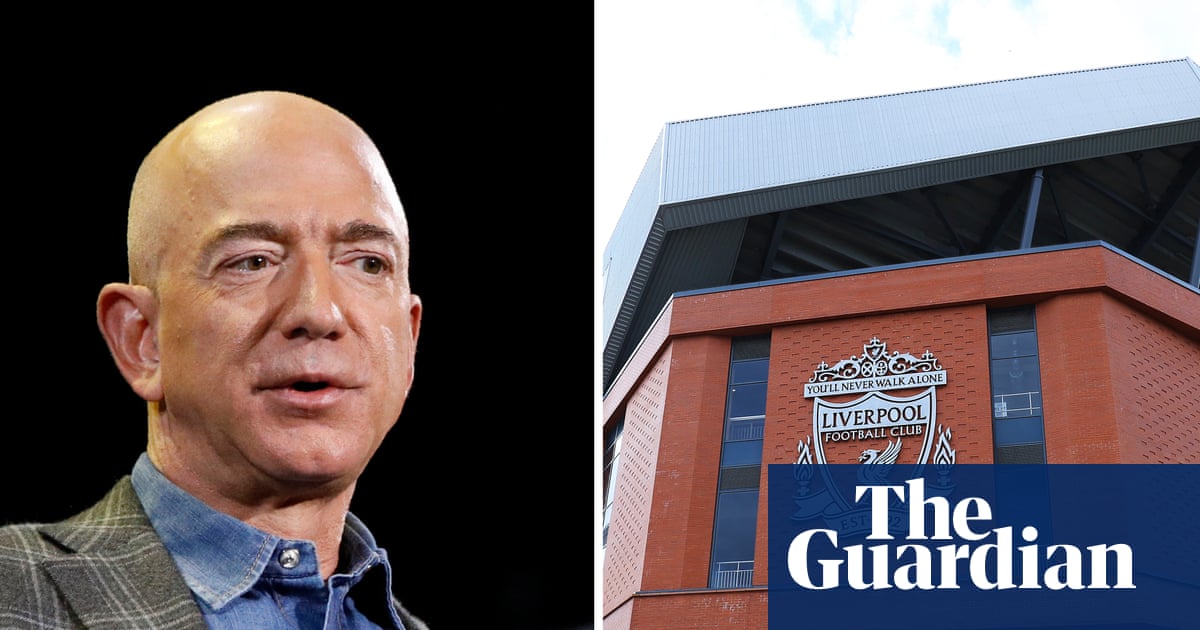
Bhatia, the son-in-law of steel magnate Lakshmi Mittal, secured backing from the Mittal Family Trust, EE Capital, and the K5 Sports fund. EE Capital operates as the family office for Facebook co-founder Eduardo Saverin and his wife Elaine. Amazon founder Jeff Bezos enters the deal as the lead investor in K5 Sports, marking his initial foray into global football ownership.
Bezos will remain a passive investor with no seat on the Liverpool board. Board representation for the consortium will instead go to Elaine Saverin and K5 Global managing partner Bryan Baum. Bhatia steps directly into executive management as the club's new vice-chairman once regulatory approval clears over the next 90 days.
FSG originally purchased Liverpool in 2010 for £300m when former owners Tom Hicks and George Gillett left the club near financial ruin. Subsequent stadium renovations and training ground developments required roughly £218m in intra-group loans, bringing FSG's total cash commitment to £518m. Selling less than a third of the club allows FSG to recover three times its overall investment while retaining complete operational authority.
Football finance expert Kieran Maguire believes Boston leadership executed a flawless financial maneuver by insulating their equity while bringing in fresh capital.
"It's a great deal for FSG. They generate more than £1bn from the deal and still keep control - this represents the best of both worlds."
Why Andoni Iraola's Transfer Budget Remains Completely Unchanged
Sensational tabloids quickly claimed that billionaire backing would immediately trigger a transfer spending spree. In reality, as The Guardian reported and BBC Sport confirmed, the equity transaction provides zero additional money for head coach Andoni Iraola during the current summer window. Spending limits in English football remain strictly governed by financial regulations tied to operational revenue rather than owner net worth.
Capital generated from minority stake sales flows to selling shareholders or institutional reserves, not into seasonal transfer budgets. Premier League Profitability and Sustainability Rules prevent owners from simply writing personal checks for player acquisitions. Fans expecting Jeff Bezos to fund late-window mega-signings are misunderstanding how corporate restructuring works under current league rules.
Unsubstantiated rumours published by TeamTalk suggested Liverpool had agreed personal terms with Paris Saint-Germain winger Bradley Barcola. While Iraola appreciates dynamic wide attackers, Liverpool's recruitment team will not abandon disciplined valuation metrics. Speculative lists of elite targets ignore the reality that Liverpool already completed major squad additions in previous windows.
Liverpool broke the British transfer record twice last summer, spending £116m on Florian Wirtz before securing striker Alexander Isak in a £125m blockbuster deal. Those marquee investments propelled Liverpool to the 2024-25 Premier League title. Iraola further bolstered his backline earlier this summer by signing Barcelona defender Ronald Araujo, proving the existing squad needed refinement rather than an overhaul.
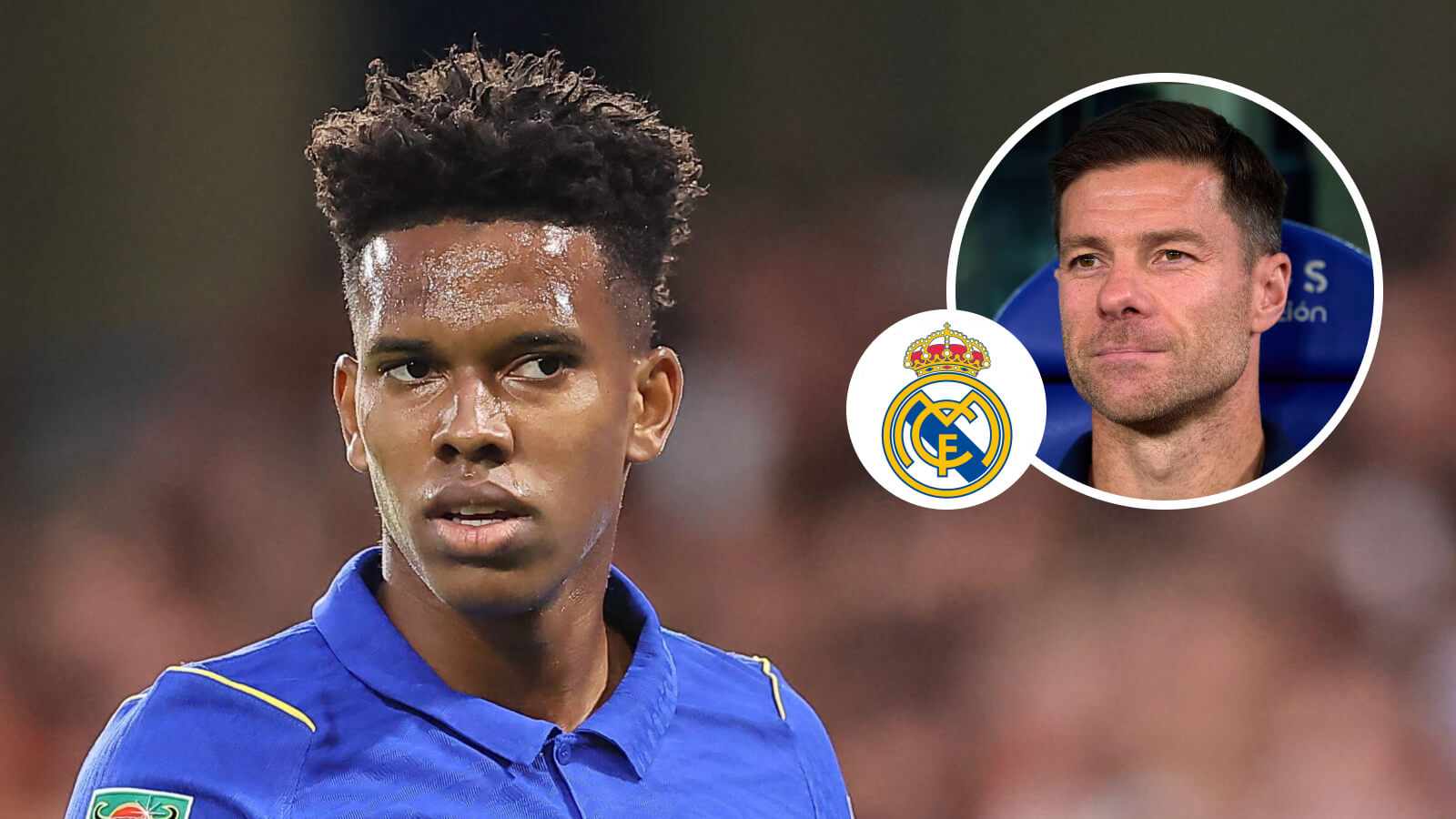
Rival clubs across the Premier League are exercising similar financial restraint this month. Chelsea held firm on Enzo Fernandez after a £120m deadline passed without bids, while Tottenham accepted a £34m offer from Atletico Madrid for Cristian Romero. Liverpool's executive team sees no reason to disrupt a title-winning core with expensive late-window panic buying.
Ethical Friction, Union Strikes, and Kop Skepticism
Reaction among matchgoing supporters across Merseyside has been cool, skeptical, and occasionally hostile. Fans view the arrival of American tech billionaires through the lens of identity and club heritage. Supporters' group Spirit of Shankly immediately issued a formal statement demanding clarity regarding 1892 Holdings' long-term intentions at Anfield.
"We would like to know what the buying consortium will get in return for their 30% stake. Does this potential consortium have the best interests of the club at the forefront or is it a 'trophy' buy?"
Spirit of Shankly confirmed it contacted the Independent Football Regulator to monitor the ownership transition. The group urged supporters to reject transfer hype and focus on long-term sustainability. They reiterated that football clubs must not become speculative trophies funded by mega-rich individuals or private equity consortia.
The friction stems from a sharp contrast between Liverpool's working-class heritage and Amazon's corporate record. Gareth Roberts, host of the Late Challenge LFC podcast, voiced concerns shared by many season-ticket holders regarding Bezos' corporate reputation.
"How Amazon have treated unions and workers isn't particularly palatable. Is he simply going to ramp up the name of Liverpool in order to make as much money as possible?"
Those concerns rest on documented workplace disputes. A 2020 Trades Union Congress report detailed grueling shifts and punitive targets at Amazon fulfillment centers, while over two hundred workers staged strikes at Amazon's Birmingham facility in 2024 over pay and union rights. Supporters fear that aggressive commercialization could further distance local matchgoers from their club.
Anfield regulars have a proven track record of resisting ownership decisions that undermine fan interests. Last season, Spirit of Shankly organized the 'Not a Pound in the Ground' campaign to boycott in-stadium concessions during a ticket price dispute. That boycott successfully forced FSG to reduce planned price increases, proving that Liverpool's matchday crowd will fight corporate overreach.
The Commercial Long Game in Asia and Strategic Governance
If this deal offers no immediate transfer funds, why did FSG spend nearly a year negotiating with Amit Bhatia? The strategic motivation lies in expanding commercial revenue across high-growth markets in Asia and India. Boosting annual turnover represents the only legal method under PSR regulations to raise spending thresholds for future transfer windows.
In February 2026, Liverpool reported record annual revenues of £703m for the financial year ending May 2025. Deloitte analysis confirmed Liverpool as the highest-earning Premier League club for the first time. To maintain that position against state-backed rivals, FSG needed partners capable of opening fresh commercial channels in emerging economies.
Bhatia brings deep business networks across Indian industry, construction, and elite sports. His investments include shareholdings in London Spirit cricket, Rory McIlroy's TGL indoor golf league, and media ventures with Kevin Pietersen. Combined with Eduardo Saverin's venture capital firm B Capital and K5 Global's tech portfolio, the consortium offers unmatched commercial reach.
FSG president Mike Gordon highlighted this long-term strategy when confirming the agreement on August 14. He emphasized that Liverpool's commercial model requires decisions designed for lasting growth rather than single-season quick fixes.
"Liverpool has always been built by thinking beyond one season and making decisions with the club's long-term interests in mind. That approach continues to attract interest from respected investors and business leaders around the world."
The agreement grants 1892 Holdings options to buy additional equity if FSG eventually decides to sell majority control. However, FSG insists no exit timeline exists and no obligations compel further sales. For now, Boston maintains full operational authority while Bhatia takes on vice-chairman duties.
Speaking on behalf of the incoming investors, Bhatia expressed deep respect for FSG's track record at Anfield.
"We are incredibly proud to be investing in Liverpool Football Club and to be doing so alongside FSG. We have the utmost respect and admiration for FSG as owners and for everything they have achieved at Anfield."
Consortium Breakdown and Operational Governance
To evaluate where Liverpool Football Club stands on August 15, 2026, it helps to distinguish corporate facts from transfer window noise. The following points summarize the confirmed deal structure and squad reality.
- 1892 Holdings Stake: Agreement for a 30% minority purchase valuing Liverpool FC at £5.5bn, with regulatory clearance expected within three months.
- Executive Governance: FSG retains majority ownership and operational control. Amit Bhatia becomes Vice-Chairman, with Bryan Baum and Elaine Saverin taking board seats.
- Summer Spending: Unchanged budget for Andoni Iraola. Profitability and Sustainability Rules limit spending strictly to club revenue.
- Squad Reality: Core title-winning roster built on Florian Wirtz and Alexander Isak, strengthened by defender Ronald Araujo.
- Transfer Gossip: Reported interest in PSG winger Bradley Barcola remains unconfirmed speculation with no budget adjustment.
Fenway Sports Group's ownership of Liverpool has never been built on reckless financial gambles or emotional impulse. John W. Henry and Mike Gordon navigated sixteen years at Anfield by balancing corporate growth with sporting achievement. Cashing out £1.65bn while retaining control proves their financial acumen once again.
Yet the true test of this deal will not be measured in corporate balance sheets or Asian expansion metrics. Liverpool Football Club remains a community institution rooted in supporter trust and working-class identity. If Amit Bhatia and his billionaire partners respect those traditions, Anfield will welcome their commercial ambition. If they view the Kop merely as a global monetization engine, Merseyside will make its voice heard loud and clear.